Archive for the 'Plan Your Move' Category

By Relocation.com
When moving to a new house, packing electronics require more attention compared to, say, your furniture. Electronic appliances need careful packing as they are fragile. They are also sensitive to dust, moisture, magnetic fields, pressure and vibrations. Pack them well to ensure you still get to use them (and they remain in tiptop condition) in your new home. Here are some of our tips:
Pack sets together. Some electronic equipment, for example stereo components and movie theater systems, come in sets. Make sure that you pack the sets together. If you accidentally misplace a part, you might be left with a hi-fi system that’s missing one speaker. You should also pack all the corresponding wires and peripherals together with the main system to save yourself the trouble of sorting them out again later.
Use moving boxes for storage. If you haven’t disposed of them yet, use the original moving boxes and paddings, otherwise sturdy corrugated carton boxes bought from the store or provided by the mover will serve the purpose.
Draw a diagram of the wiring. For reference in re-connecting wires and cables between components, draw a diagram of how the wires are hooked up to their corresponding terminals on the device. Note down the color coding scheme or attach matching tags to each wire-terminal pair. Bundle wires and cables securely and label them but do not bind or roll them too tightly to avoid internal damage. Optical fiber cables can easily break.
Secure loose/moving parts with masking tape. If you have a vinyl record player, disconnect the stylus assembly from the tone arm, put it in a small box and tape the box under the tone arm. Fix the turntable to the base with tape to prevent its movement and tape the tone arm to its rest. Lastly close the turntable cover and tape it to the base. Put small hardware items such as screws, nuts and bolts inside a plastic bag and tape the bag to the component where they came from.
Always label “FRAGILE, ELECTRONICS” on the sides and top of each box. When necessary put a “THIS SIDE UP” label on the sides of the box. It goes without saying that cargo items should be tagged with the name and address of the owner.
Before and during the move, keep components away from sources of liquids, wet surfaces, and strong magnetic fields. Provide water-damage protection by placing components inside plastic bags before packing them in boxes.
Pack to protect fragile parts. For components subject to risk of breakage or scratches like TV screens or computer monitors, pack them in such a way as to minimize stress or pressure to the delicate parts. Provide appropriate padding or spacers such as thick cardboard or styrofoam boards or pellets.
Cover speakers. Speaker units also need to be protected from possible dents to the cabinet and the acoustic cones. Cover the front of the cabinet with cardboard and wrap it over and around the edges. For heavy units, it’s a good idea to bind the box with packing tape to prevent bursting and tie it with heavy cord to provide handles for lifting.
Make sure the moving service company drives with care! Check whether the moving company has insurance coverage against loss or damage to cargo.

Pass the time when moving in a car with some of these creative activities
By Richard Farrell
Special to Relocation.com
Moving across the country in car is one way to save money. However, when you add kids into that mix you have to consider that they may get bored – especially when you will be driving for hours on end. Check out some of our creative solutions to make it easier to get to your new home when driving.
Planning the Trip:
- Once you have chosen your route, it is time to calculate how long you are going to be a passenger or driver in the car. Allow for unforeseen delays such as traffic backlogs and diversions along the way. Once you know your likely journey time you can plan around it better.
- Pack a cooler of healthy snacks and lunch options for your initial ride. Once you get on the road, plan to use drive-through food outlets along the way as this will save a lot of time. Keep a couple of trash bags handy for any garbage.
- Wear sensible clothing and shoes for the journey. Choose comfortable shoes and clothing that are easy to slip off so that you can relax and let your feet breathe. Long trips will likely result in posture issues and your feet will soon remind you of the fact that you are not comfortable. Shoelaces are not practical in these circumstances.
- Should you be sharing the driving, do make sure you stop in a safe place and take time out to walk about and do some breathing exercises before you take the wheel. Include some stretching exercises too..
- Consuming of alcoholic beverages immediately before or while traveling makes for another definite “no.” Apart from affecting your reaction time it is breaking the law and your journey to your new destination will be remembered for all the wrong reasons!
7 Fun Tips to Pass Time in a Car:
- Bring CD’s. Sort through your CD collection and pick out some favorites and maybe a couple that you have not played for some time.
- Radio. Satellite radio played through your car sound system is of excellent quality and clarity. Tune in to your favorite stations before you set off.
- Books and Magazines. Kids love books and magazines. Make sure you have plenty for the journey.
- Music DVD’s. You may be lucky enough to have a sophisticated in-car system. If not, then there are plenty of good quality portable players for you to enjoy the latest movie offerings as well.
- Take Naps. Short napping is good, but sleeping the entire journey may be considered antisocial, and besides you will be missing the passing scenery and could arrive feeling less than your best.
- Food. Choose snack food that does not make a big mess. Dry snacks such as chips and peanuts or glazed dry fruit are great for the car. Avoid too much intake of food and drink or you will be stopping at every restroom along the way.
- Rotate Drivers Regularly. This is very important for long journeys. If you are the only driver you will need to consider breaking your journey with an overnight stop. In any event, do stop every 90 minutes but make sure you pull over in a safe place.



Moving can be positive - especially when you are moving into a bigger home.
By Dermound Becker
Special to Relocation.com
Just the thought of having to plan, organize, sort out, downsize and then pack everything into cartons and boxes can be daunting, but there are some positive aspects of moving that are both invigorating and exciting.
You can afford to buy a home. The most common reason for moving is when you can finally offer to transition from renting to buying. This is a huge step in the right direction to financial independence – and will most probably be the best financial move you will make in your lifetime. If one is able to purchase a property with a monthly mortgage repayment similar to the amount you are paying to rent, the net result is that you are basically paying yourself the rental amount and, one day in the future, when the mortgage is paid off you will have your own home and be able to live rent free for the rest of your days. This would clearly be a good change in your lifestyle.
You are moving for a new job. Another common reason why moving is exciting is when you have to relocate for a business or career. This might mean an increase in salary, a rise in one’s status, a chance to improve oneself and move up the corporate ladder. This would also mean a positive change in how you live and what you are able to afford.
You need to downsize. At the other end of the scale, people move when they find that they simply cannot afford to continue living where they are due to rising rents or mortgage repayments or the loss of a job. All is not lost though, as a move to a smaller residence or to a home of equal size in another, less expensive, neighborhood can also be a change for the good. There will be less keeping up with the Joneses and less overall expenses, thus freeing up money for things that you would like to do, such as being able to take a vacation, taking up a sport or hobby and having some spare cash to go to a restaurant or movie. Moving for these reason will encourage you to join clubs or volunteer for a good cause in your area in order to meet new people; and to spend time either alone or with your family while you explore and learn all about your new location – proof that change is good.

Moving with a teenager doesn't have to be difficult. Check out our tips for making this move easy!
By Dermound Becker
Special to Relocation.com
The stresses, strains, upheavals and turmoil of moving are difficult enough, but when you add teenagers to the mix, chances are things will be even more complicated. Not only do teenagers have raging hormones and pendulum-like mood swings, they generally, do not react well to change. When a family moves, they will have to leave everything that is safe and comfortable including their school, sports and other extramural activities and, most importantly, their friends. This could be a recipe for catastrophe, if it is not handled with a delicate hand and a lot of understanding.
The most important step to inform your family that you will be relocating to another area early on. Sit down with them and explain the reason for the move – whether it is for financial reasons or a new job. The main thing is to be honest and direct with your teens. Many teenagers feel that they are already adults and therefore need to be consulted on such a momentous decision; others will suddenly feel that they are not yet adults at all and will feel very vulnerable to the consequences of the move.
Throughout the process of planning, organizing and packing, take the time to listen to what your teenager has to say. Having a sympathetic ear may just be the lever needed in order to get him or her to get involved with the move, start sorting their possessions and maybe even begin packing a few boxes of their own. You may be surprised to learn that your teenager may even relish the thought of a move, if perhaps his or her current peer group is a bit boring and they actually need a change.
If at all possible, try to plan your move at the end of the school year, or at least at the end of a semester, as this will be the least disruptive to your teenager and will have the least impact on their social life and their school work. If you have no choice as to when you have to move and it is very close to the end of your teenager’s school life, think about organismic for him or her to stay with relatives or friends until the completion of their studies.
Another aspect which is imperative when relocating a teenager is to ensure that he or she is not completely cut off from their friends. This means that they should be given one of the latest gadgets to allow him or her to e-mail, tweet, or send MSM messages to keep up with the latest news and to be able for them to report on their new lives. Organize a Skype connection with a camera so that they will be able to see their friends as well.
Finally, if you will be buying or renting a home in the new area, involve your teenager and listen to his or her opinions to make them feel that they are important members of the family and that their opinion is valued.

Follow our tips on how to make moving easier for your dog.
By Richard Farrell
Special to Relocation.com
Apart from being “Man’s Best Friend,” dogs are as much concerned about their routine and environment as we are, and so sudden changes can be very stressful for them too. When moving, you will have a lot of tasks to complete from locating moving companies to packing. You will also have to make the transition easy for your dogs by not upsetting their routine. Here are some tips to making your moving day smooth and stress-free for your four-leggeded friend.
Before the Move:
First, get an up to date copy of your dog’s veterinary record so that your new vet can be brought up to speed with their medical history, vaccinations, etc. If moving to a new state, call local veterinarians to find out if you must provide any documentation when your dog arrives. Check with your new local authority too about their licensing requirements. Make the necessary arrangements to have your dog transported, or if traveling with you in your car, ask your vet about perhaps sedating your beloved pet.
During the Move:
Here are some valuable tips to make the moving of your dog as easy as possible:
• Feed your dog approximately five to six hours before the actual traveling starts. Water can still be taken in up to two hours ahead of the move, but be careful not to let your dog dehydrate particularly in hot weather. If medication has been recommended administer this around an hour before travel too.
• Take sufficient quantities of food and water with you when you travel and make frequent stops to water and walk your canine friend.
• On arrival at your new home, keep the dog confined until it is familiar and at ease with its new surroundings. Walk your dog around the new home and let it sniff and smell new odors – remember a dog can smell up to 100 times stronger than we can.
• Put out the dog’s bedding, toys and familiar bowls as soon as you arrive too. Remember to feed and water the dog as soon as possible after arriving.
• Initially walk your dog on a leash until it is familiar with the new outside surroundings and boundaries.
• Keep a regular schedule with your dog until it is at ease with the new set up. This may take up to a week depending on the animal.
• Hopefully you will have located a vet close to your new home. Make an appointment to take in your dog’s records and register it for a check-up and future treatment.
Additional Tips:
It is vital to get a health certificate from your vet before moving. Trying to arrange this after the move is time wasting and stressful – after all you moved not the vet! Certain states will ask to see the health certificate as you are crossing state lines, even if you are only in transit. If flying your dog to a new area purchase a kennel for your pet to travel comfortably in on the plane. And don’t forget to check with your vet for calming medication should this be required before the flight.
Don’t forget to like us on Facebook and follow us on Twitter!
• Follow us on Twitter @Relocation_News
• Become a fan of Relocation.com on Facebook

Gorgeous Views of Downtown Austin
This guest post was provided by our friends at Realty Austin, an Austin real estate agency.
Whether you are test-driving a new car or sampling ice cream flavors, sometimes it is nice to try before you buy. Moving to a new city is definitely one of those situations. You’ve probably heard that Austin, TX is an amazing city with lots to offer, (in fact according to the Austin Business Journal, it’s one of the best places to find a job), but truth be told, only you can decide if it is a good fit for you.
One of the best ways to test the waters before making the big plunge is by spending a few days visiting the city while you explore and meet locals. Think of it as research! You’ll get the most out of your experience when you rent a room or house in an Austin neighborhood you might be interested in living in rather than choosing a hotel. There are many great resources on the web that can help you find a great place to stay during your visit.
• HomeAway is an Austin-based company that connects travelers with luxury rental homes. The site offers over 250 places to stay in Austin starting at $50 per night. Each site has detailed photos of the property including amenities, nearby attractions; reviews from people who have stayed there before, and the opportunity to community directly with the owner.
• AirBnB is another great option and features over 490 Austin rooms, homes, and lofts in some of the city’s trendiest neighborhoods for as low as $30 per night. Each rental has the unique charm you’d never experience at a 5-star-hotel. Users can search properties by neighborhood, price, and even connect on Facebook to see where their friends have stayed in the past.
• Finally, Couchsurfing is a non-profit organization that connects travelers with friendly folks who allow guests to stay at their home free of charge for a few days at a time. All users set up online profiles on the site. Travelers can search potential couches to crash, read reviews by former guests, then make a request to stay at a home. One of the best things about taking this route is having a host who can guide you to the best spots in the city.
Visiting Austin before making the decision to move will give you the opportunity to live like a local and meet people who can give you their honest opinions on what it’s like to live there. Take advantage of the many great web resources discussed here and you’ll be sure to get the full Austin experience.

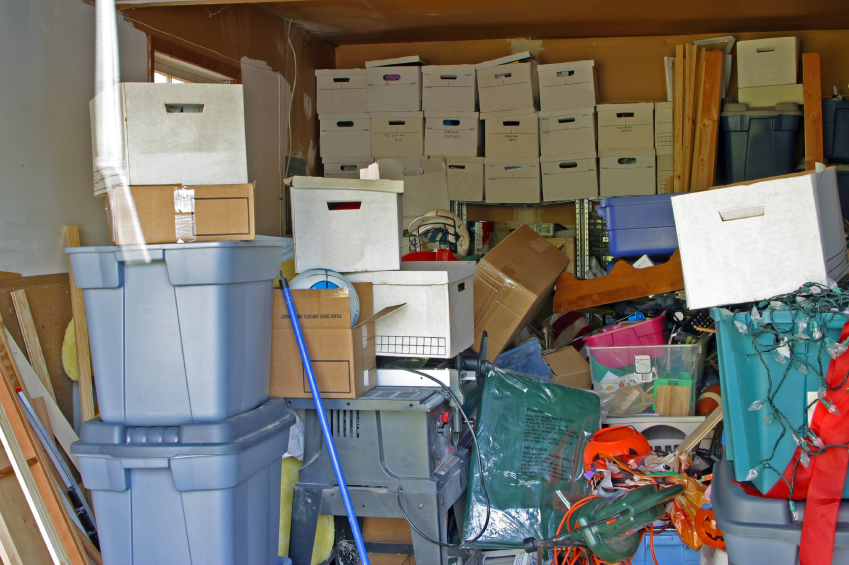
Get rid of your junk before you move.
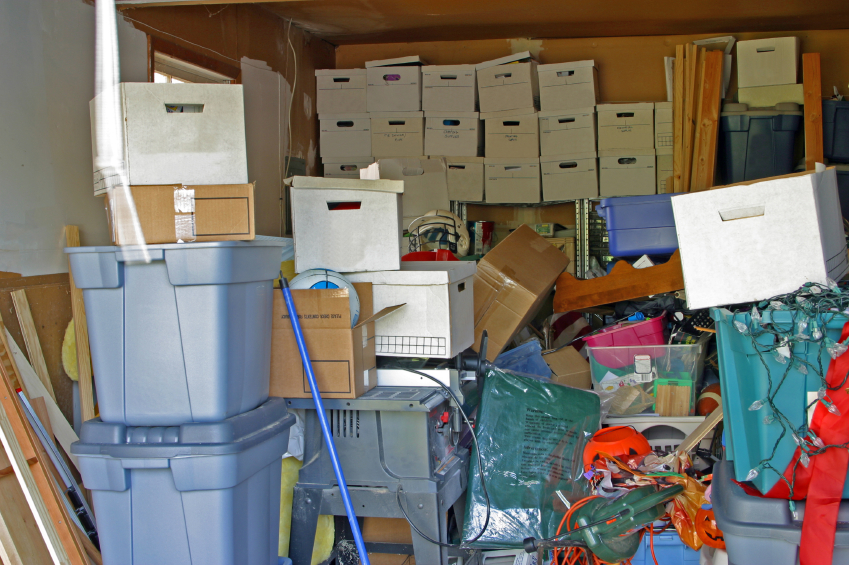
We finally get to see the amount of stuff we actually have when moving. Throughout the years, many items are replaced and the older ones get dumped in the garage, basement or attic. We also buy new clothes, crockery, upholstery, furniture, electronic gadgets and decoration items that gets added to our pile of stuff. When everything is decorated and in its correct place at home, it all feels less. But that’s not true. When you begin packing your belongings during moving, you realize the true magnitude.
The first thing is to get rid of all the things in your garage, basement and attic that you haven’t used in months, or in some instances, even years. Here are some of the best ways to unload your old junk before moving.
Have a yard sale. When planning a yard sale, start by organizing your items into boxes and labeling them based on their price. You will then have to consider making signs and posting them around your neighborhood to get the word out about your sale. On the day of the sale, set up your items early (people will arrive before the designated time) and be flexible with pricing – this will help you get rid of more stuff quickly.
Donate your belongings. If you don’t have the time for a sale, consider donating your items to a shelter, an orphanage or a humanitarian organization such as the Goodwill or Salvation Army. These non-profit organizations usually need items like clothes, books, canned food, toys, tools, bags and more.
Give them away to family and friends. Many people prefer giving fairly new and useful items to their friends and families. Older models of cell phones, laptops and clothes that no longer fit may be useful to your friends, neighbors or relatives. You can also have a clothing swap party, which can also function as a good-bye party as your friends exchange goods with one another.
Toss it. Sometimes even the best of intentions to pass along your items will fail when you have old and smelly clothes or broken down items that can’t be salvaged. In these instances, it is best to toss your old and useless stuff. Look into recycling centers in your area for old electronics and paper goods.
After getting rid of the garage, basement and attic stuff. Make and inventory of your belongings. For an average family, about one-third of their belongings are still “excess” and its best that you get rid of them too to lighten your load.
Less stuff makes for easier packing, easier travel and most likely cheaper moving expenses. It is also a great way to start fresh without the excess of junk that may have been weighing you down for years.
Don’t forget to like us on Facebook and follow us on Twitter!
• Follow us on Twitter @Relocation_News
• Become a fan of Relocation.com on Facebook

Be sure to do your research before moving to a new neighborhood.
Moving is a big step in your life that you really want the location you choose to be the very best for you and your family. Here are some things to consider when you are searching for the right neighborhood.
Check on the schools. If you have children, you are going to want to closely check on the area schools. You can start by reading online what ratings schools receive as well as online forums my parents. If you can, visit the schools and spend some time with teachers and observe how the school appears. Do they have after school programs? Do they appear to have supplies? Talk, if you can, to some parents and get a good idea of how they feel about the school.
Visit the local parks. Again, if you have children, check out the local parks. Are they well kept? Are there any activities held there? Do they appear to be safe, both during the daytime and at night?
Observe the neighborhood. Is your neighborhood well lit at night? How safe does it appear to be? Is there a neighborhood watch program? How noisy is it at night? And how is the traffic in the area? Is there adequate parking?
Check out the hospitals in the area. Are they close? Are they well established? How long is the average emergency room wait? You can find out a lot about local medical care by checking online. You might want to also look at pharmacies in the area, and perhaps check out urgent cares as well.
What types of stores are in the neighborhood? Do they open early (if you are a morning person) and what time do they close at night (if you are a night owl)? How convenient is shopping going to be for you? Is there parking available?
Check out the public transportation. Is it convenient to your home or apartment? How expensive is it? How late/early does it run? If you needed to use it to get to work, are you sure that it will be running when you need it? How about if you want to go shopping using it, or go visit a relative? How clean is it and does it appear to be safe and well-maintained?
Research the crime rates. You can usually find this information out online as well. What are police response times? Are there any sex offenders living close by? Look online for forums or message boards about your neighborhood. Many times, residents will complain about problems in the area that you will certainly never hear from a realtor. You may be able to find out a lot about things like local ordinances, property taxes or other problems.
Moving to a new neighborhood is a huge change in your life. Make sure to do your research so that you know you know you made the right choose when deciding on a new location.
March 16th, 2011 by
Admin
Categories:
Celebrity Real Estate,
condos,
family moving,
foreclosures,
Home Improvement,
homes for sale,
House Swap,
International Moving,
Mortgages,
Moving,
Moving Day,
Moving Industry,
Plan Your Move,
Real Estate,
Relocation,
rentals Comments:
No Comments » By Serena Norr
This week ended up being an all-homes-for sale edition of the Beat, and boy, were there some interesting ones on the market. Starting in NYC, we featured the $90 million dollar estate that was once owned by the Woolworth family. The mansion, now owned by Lucille Roberts’ family, includes 10 bedrooms and 11.5 bathrooms. For a smaller amount (and not much), you can purchase Dennis Quaid’s home in the Pacific Palisades, Mary J. Blige’s home in New Jersey or Christine Aguilera’s home in Beverly Hills. Kelsey Grammer is also selling his Avon, Colorado home this week for $7.9 million. Still too rich for our blood, we’ll simply admire this luxurious real estate eye candy. Until next week…

View of the $90 million dollar Woolworth mansion. (Image Credit: Curbed NY)
• Woolworth Mansion for Sale at $90 Million
The former Gothic-style townhouse once owned by Frank Woolworth (of the nickel and dime store) has recently been place on the market for the staggering asking price of $90 million dollars! Located on East 80th Street in NYC, the 18,000-square-foot mansion, now owned by Lucille Roberts (the fitness mogul), includes lavish amenities such as three kitchens, 10 bedrooms, an elevator, a library and 11.5 bathrooms. The massive complex, designed by famed architect Charles Pierpont Henry Gilbert, also includes 14-foot ceilings, seven floors, eight fireplaces, a gym and a suite for staff members. Roberts purchased the home in 1995 for $6 million but passed away in 2003 – which is why her family is looking to sell the opulent mansion. For those that can’t fork over the $90 million dollars, the home is also available as a rental for $210,000/month.

Exterior Shot of Dennis Quaid's Home - Listed for Sale at $16.9 Million. (Image Credit: Zillow.com)
• Dennis Quaid Lists Pacific Palisades Home for $16.9 Million
Famed actor and musician Dennis Quaid is reportedly selling his Pacific Palisades home for $16.9 million in order to relocate to Texas. The French-style home, purchased in 1999, has been completely renovated by Quaid and includes a guest house, three bedrooms, three bathrooms and a huge barn for several horses. The two-acre home also includes 8,400-square-feet of living space, a modern kitchen, an office, a pool and a wine cellar that is situated amidst a backdrop of sprawling trees and luscious greenery. If sold at $16.9 million, the home would average a profit of about 823.5 percent, according to Zillow.com.

Pictures of Mary J. Blige's New Jersey Mansion - Listed for Sale at $13.9 Million. (Image Credit: Housing Watch)
• Mary J. Blige Lists New Jersey Mansion for $13.9 Million
Hip-hop mogul Mary J. Blige is reportedly looking to sell her New Jersey mansion for $13.9 million dollars. Located in Saddle River, New Jersey, the 25-room mansion features a gourmet kitchen, a movie theatre with 14 seats, a wine cellar, an indoor basketball court, a six-car garage and 18,250-square-feet of living space. The 4.2 acre house was originally listed at $17 million in 2008 and recently dropped to the current asking price.

Christina Aguilera's Beverly Hills Mansion - Listed for Sale at $13.5 Million. (Image Credit: The Real Estalker)
• Christina Aguilera Places Beverly Hills Home on the Market for $13.5 Million
Pop singing sensation Christina Aguilera recently listed her Beverly Hills estate for $13.5 million. The 10,000-square-f00t home (once owned by the Osborne’s) includes six bedrooms, nine bathrooms, a formal living room, a home theater, a library, a recording studio and an in-home hair salon. The home also includes a massive backyard equipped with a pool, lounge and built-in barbeque area.

Kelsey Grammer's Colorado Ski Home - Listed for Sale at $7.9 million. (Image Credit: The Real Estalker)
• Kelsey Grammer Lists Colorado Ski Home for $7.9 Million
Kelsey Grammer of the hit shows “Cheers” and “Fraiser” recently listed his Avon, Colorado ski estate for $7.9 million. The recently divorced and remarried TV star is looking to sell this 8,230-square-f00t home as part of his settlement with Camille Grammer (of “The Real Housewives” fame). The gorgeous three-story vacation home includes six bedrooms, 7.5 bathrooms, stone fireplaces, a gourmet kitchen and a wine tasting room that is situated on 1.67 acres.
Don’t forget to like us on Facebook and follow us on Twitter!
• Follow us on Twitter @Relocation_News
• Become a fan of Relocation.com on Facebook

Om - Practicing the art of yoga will help you stay sane leading up to moving day.
By Serena Norr
The activities leading up to moving day are going to be strenuous, and unfortunately stressful. From locating moving companies to finding to boxes to packing, these rigorous and draining moving day tasks have a way of living your body and mind all out of whack. Eating well, getting enough rest and exercise are sure bets to help you focus your energy on something other than moving for an hour or two – not to mention help you maintain your sanity. Here are some of our top workout picks for before and after the moving process.
Yoga. The ultimate in zen, yoga is the art of finding peace within the mind, body and spirit. This involves flexing the body and maintaining balance through a variety of poses and postures that can benefit both the mind and the body. When moving, try to set aside a few hours a week to practice a rigorous or gentle practice of yoga such as a vinyasa-style by creating heat or more basic and controlled poses by practicing Hatha. If you don’t have a lot of time to devote to yoga, try to focus on controlled and strong breathing exercises. This will be particularly helpful on moving day.
Pilates. Pilates is another exercise model that focuses on a connection between the mind and the body. The basic idea is to develop controlled movement from the body’s core such as by using resistance training through machines, exercise balls and bands. Strengthening your core will not only help you feel better but it will keep your mind and body energized and refreshed when dealing with the rigors of moving.
Walk. Sometimes something as simple as a walk is enough. Not only a great way to clear your mind it is an excellent form of exercise that is relevantly easy and free! Leading up to your moving day, establish a walking schedule – either an hour in the morning or after you have dealt with a stressful moving issue. Remember to load up your iPad with your favorite tunes for a much-needed break from your home and the sea of boxes.
Run. For those that want something more intense, try running. Running is ideal sport to not only improve your physical well-being but it can improve your emotional state and promote weight loss. It is also believed that after a run, you can experience a “runner’s high” where endorphins get released causing the body and mind to become intensely elated and positive. This is definitely something everyone needs during the planning stages of a move.
Zumba. Some people like to exert steam by working up a sweat. Zumba, a Latin-inspired dance, is a great way to exercise and take your mind off of the moving process through fun and intense movements. The high-energy classes will be a welcome break from packing resulting in an exhilarating workout that incorporates reggaeton, salsa, meringue and hip-hop. If you can’t make a class, try a DVD at home – ranging from Zumba Toning, Zumba Gold (for babyboomers) and Zumba in the Circuit – all of which can be adapted to all fitness levels.
Don’t forget to like us on Facebook and follow us on Twitter!
• Follow us on Twitter @Relocation_News
• Become a fan of Relocation.com on Facebook
What are some of your tips to de-stress before a move?
March 7th, 2011 by
Admin
Categories:
Celebrity Real Estate,
condos,
family moving,
foreclosures,
homes for sale,
House Swap,
International Moving,
Mortgages,
Moving,
Moving Day,
Moving Industry,
Moving with Kids,
Moving with Pets,
Packing,
Plan Your Move,
Plan Your Relocation,
Real Estate,
Relocation,
rentals Comments:
No Comments » The wacky and wild world of celebrity real estate did not disappoint this week. First, we have Charlie Sheen and his never-ending media circus has once again made the news – except this time it is within the real estate segment. He recently purchased a 9,020-square-foot mansion in Sherman Oaks, California that is reportedly for his ex-wife and their two children. On the rest of the Beat you will find homes listed on the market – ranging from Jennifer Aniston’s $42 million mansion to Julianne Moore’s $12.5 million dollar NYC townhouse. Those amounts are a bit out of our price range but we look forward to reporting on who the lucky buyers are. Stay tuned…

Charlie Sheen's New Mansion. (Image Credit: The Real Estalker)
• Charlie Sheen Buying a New Mansion
Much has been said about the drama involved around Charlie Sheen and his media circus and now he is making news within the real estate market with his recent purchase of a mansion in Sherman Oaks, California. Purchased for his ex-wife Denise Richards, the $7,495,000, 9,020-square-foot estate includes an elevator, six bedrooms, nine bathrooms, a library, a formal living room and a gourmet kitchen. The two-story gated home also includes a formal backyard with a swimming pool and spa.

Jennifer Aniston Lists Beverly Hills Home. (Image Credit: The Real Estalker)
• Jennifer Aniston Lists Beverly Hills Mansion for $42 Million
Jennifer Aniston has recently been featured on the Beat as she has been scouring NYC for a new condo. No word yet on whether a home has been picked but there is news this week that she placed her Beverly Hills estate on the market. Listed at a whopping $42 million, the 10,000-square-foot Asian and Balinese-inspired home includes five bedrooms, 7.5 bathrooms, two living rooms, a gourmet kitchen and a home gym. The home is also said to include state-of-the-art smart house technology, an extensive security system, tons of storage space, a three-car garage and an outdoor swimming pool. Originally purchased in 2006 for $13,500,000, we’ll be sure to let you know who buys this luxurious (and expensive) property.
• Julianne Moore’s West Village Home is on the Market
Actress and children’s book author Julianne Moore originally listed her five-floor West Village townhouse for $11.995 million in 2009 – unable to find a buyer the home has been re-listed for $12.5 million. Built in the 1800s, the six-bedroom, 3 bathroom home, includes a gorgeous 49-foot garden, eat-in kitchen, a high-tech security system, a home office, media room and a laundry room.

Tom Brady's floorplan. (Image Credit: Curbed NY)
• Tom Brady Selling Time Warner Center Condo
NFL star Tom Brady recently listed his three-bedroom condo for $14 million. Purchased in 2006, the condo, located in Time Warner Center, was then re-listed shortly after in 2007 where it has since been rented for $50,000/month. It has been reported by the Journal that the condo has a seller who is expected to enjoy a home with incredible light, oak flooring, a modern Chef’s kitchen with state-of-the art appliances, granite counter-tops and customized cabinetry.

Cher's former home. (Image Credit: The Real Deal)
• Cher’s Former Home Reduced to $10.2 Million
The Gorce Island mansion home formally owned by Cher in the 1990s has recently listed has recently been to $10.2 million. Located off of Miami Beach, the luxurious 11,460-square-foot mansion, owned by investor Armin Mattli, includes upgrades of about $1 million dollars, a 60-foot pool, and 158-feet or water front. The three-story home also has six bedrooms, seven bathrooms and a two-story hall embraced with double staircases. Originally listed for $16.9 million in 2008 and then for $11.5 in July – making this recent drop at least 40 percent below the market price.
Don’t forget to like us on Facebook and follow us on Twitter!
• Follow us on Twitter @Relocation_News
• Become a fan of Relocation.com on Facebook
March 3rd, 2011 by
Admin
Categories:
family moving,
Moving,
Moving Day,
Moving Industry,
Moving with Kids,
Moving with Pets,
Packing,
Plan Your Move,
Plan Your Relocation,
Real Estate,
Relocation,
Relocation Data Comments:
No Comments » 
Tips to Ease Moving Day Strain When Pregnant
By Serena Norr
Sometimes you have to move, regardless of whether you want to or not. One of those special situations occurs during pregnancy. With all of the ups and downs that occur during this time, adding moving to the mix can increase a mother-to-be’s level of stress and anxiety. No need to fret, Relocation.com is here to help you make this transition as smooth as possible; whether you are moving down the block or to another state or across the country.
1. Move in the Middle:
If you have any sort of flexibility, move during your second trimester. The nausea and tiredness from the first trimester will likely have passed, leaving you feeling energized and pretty good (in general). This will be beneficial when you move, especially since your day may involve long travels, organizing boxes and dealing with movers.
2. Prepare for the Move:
In general, a successful move is determined by how organized and prepared you are. This involves planning your move by locating movers (and picking individuals that you trust), as well as obtaining boxes, packing and locating a storage facility. When looking for moving companies, ask friends and family members for referrals. You can also locate reputable and local movers online through Relocation.com. When calling moving companies, never accept an offer over the phone and be sure to research and then invite at least two-three movers to your home for an in-house moving estimate. This is the best way for movers to actually see your belongings (thus determine the price) as well as a great opportunity to interview them and ask them specific questions pertaining to your needs.
Tip: Since you are with child, make sure that you pace yourself when completing these tasks. It is best to give yourself extra time to stay on top of everything that needs to be done (writing things down helps), which will also prevent you from getting too stressed out along the way.
3. Ask for Help:
You are going to need help with your move. Even if you have a small move, be sure to ask friends and family members for their assistance with anything from packing to calling movers to locating storage. If you can, assign your helpers specific tasks in order to stay organized – having efficient and step-by-step moving checklists are great for this. You can also have your moving company do all of the packing (for an additional fee).
4. Organize your Items:
Hopefully you have some very handy helpers to assist you with your packing, but if not you can stay organized by devising a packing systems for your belongings. Through this efficient plan, organize your items into three piles: pack, donate and toss. The items that don’t work or maybe have holes in them are likely items to toss. The donate pile may be items of clothing that you no longer like or those that don’t fit to be given to friends or charity; while the keep pile are items that will move with you to your new home and can be placed in boxes. This moving system is also a great way to start fresh and get rid of old junk before the new baby. Stay organized throughout the packing process by labeling all of your boxes based on what room the items will be placed. This is also a great way for the movers to know where your belongings should go.
5. Test your Home:
If you are moving into an older home be sure to have it tested for lead. Although you likely had a home inspection, make sure that this also included looking for metals, lead and asbestos. This problem is common in older homes and even in homes that have undergone renovations where walls were simply covered and not stripped of these hazardous materials.
6. Rest and Rest Some More:
It’s finally here; your moving day! This goes without saying but be sure that you get plenty of rest before your move. During the move, be sure to take breaks to rest and stretch, use the restroom, drink tons of fluids and don’t strain your body. This includes not getting stressed out when the inevitable problem happens on moving day. Also, be sure that you are comfortable by wearing comfy shoes and loose fitting clothing and don’t lift anything heavy. Luckily, you don’t have to prove you are supermom on moving day, especially since you are prepared, organized and have a few helping hands to assist you along the way.
Don’t forget to like us on Facebook and follow us on Twitter!
• Follow us on Twitter @Relocation_News
• Become a fan of Relocation.com on Facebook
February 22nd, 2011 by
Admin
Categories:
condos,
DIY Move,
family moving,
foreclosures,
homes for sale,
House Swap,
Moving,
Moving Day,
Plan Your Move,
Plan Your Relocation,
Real Estate,
Relocation,
rentals,
Travel Comments:
No Comments »
Looking to buy a home in Hawaii? Whether you’re relocating to the islands or thinking of buying an investment property, finding the right piece of Hawaii real estate requires time, effort, and yes, an island visit — or two! Though you can easily narrow down prospective island properties with a myriad of online tools, virtual house hunting can only take you so far. There’s no substitute for the real thing.
Visiting Hawaii isn’t exactly a hard sell, but if you’re new to the islands; it can still be daunting. Here are some quick tips to keep in mind before you book your trip.
1. You don’t have to splurge on a hotel.
There are two versions of Hawaii: the one you see as a tourist, and the one you see as a resident. Though there is a massive amount of resources and services available to tourists, things work very differently for locals. While you’ll probably have to stay in a hotel, keep it simple. Forget the ocean view or the upgrade to a suite, and don’t rule out discount chains. After all, the point of visiting Hawaii is to spend as little time as possible in your hotel room. And you don’t want to mistake tourist luxury for day-to-day reality. You might even want to consider a Hawaii vacation rental… though be careful: these are tightly regulated, and not all of them are legal operations.
2. Be flexible on transportation.
For the most freedom and flexibility, you’ll probably want to rent a car while in Hawaii. But if your budget is limited, or if you’re not comfortable driving in an unfamiliar place, you have other options. If your interest is Honolulu real estate, the island of Oahu boasts one of the best bus systems in the country. If you find a place to stay near Waikiki or Ala Moana Center, you can catch the bus just about anywhere for $2.50 each way (or $25 for a four-day pass). Otherwise, you can look for shuttle and taxi services (though these often require reservations, as you can’t “hail a cab” on the street). Finally, remember that there are many friendly and knowledgeable Realtors in Hawaii. They would know the best way to get around your future neighborhood, and often schedule caravans or gladly take clients around on their own dime.
3. Play early, work late.
Checking out Hawaii homes and Hawaii condos is hard work, but it’s hard to resist taking some time to play tourist. You should! But if you’re looking to see some of the most popular attractions — the Arizona Memorial at Pearl Harbor, Hanauma Bay, or Diamond Head on Oahu, or the Hawaii Volcanoes National Park on the Big Island — don’t waste your time in lines or fighting crowds. Start your day as early as possible to avoid the crunch, and to save more of your day for your property search. Hike Diamond Head at dawn, catch the first tour at Pearl Harbor, and be ready to get back to work by lunch. The afternoon and early evening is often the best time to meet with Realtors or sellers, anyway.
4. Eat different.
Hungry? Sure, Hawaii is a U.S. state, and has most of the brands and chains Americans love. But Hawaii is in many ways a whole other country, and overflows with unique dining options. Try to make it through your stay without visiting a single chain restaurant. Or at least stick to Hawaii-based chains: Zippy’s and L&L Hawaiian Barbecue restaurants are almost everywhere. Mom and pop diners and food trucks are great options as well. Remember that Hawaii has strong ties to the Pacific Rim and Asia, and explore those cuisines. You probably won’t be able to stick to your diet while in the islands, but you could quickly become an expert in sushi, or the local plate lunch.
5. Slow down, and take it easy.
If you’re used to the fast-paced, brisk and efficient pace of business in most American cities, landing in Hawaii can be a jarring experience. Bringing expectations from New York, Chicago or L.A. will only lead to frustration. Things in Hawaii move slowly, run late, and are usually very casual. (“Hawaiian Time” is an oft-used phrase that essentially means nothing starts or runs on time.) Leave your ties at home, don’t panic if you get a hug instead of a handshake, and expect to miss a few appointments. Rather than trying to squeeze in six visits or meetings, plan for three, then play it by ear.
Finally, don’t forget the basics. Wear sunscreen and carry water, as you can still get sunburned or dehydrated during “winter” in Hawaii. Don’t leave valuables in your rental car, and keep important documents safe. And most importantly, enjoy. You’re in Hawaii!

You'll have a newfound freedom when moving abroad - just don't forget to process your driver's application beforehand.
By Relocation.com Staff
When moving abroad it is advisable to obtain an international driving permit – (even if you don’t plan on doing much driving). This form of identification is valid in over 150 countries and is translated into 10 languages. It can be very helpful as a universal identification, and of course, necessary if you are actually driving.
For those that plan to operate a vehicle, you should investigate the driving laws in your new country as soon as you arrive. Every country has different rules regarding how long after you arrive that you will need to get a new license and what information you will need to provide to receive your new license.
In some countries a driver’s license from the United States will be honored and in others you must obtain a local license. You may also need an international driving license or international permit. This is just a certification of license and is currently available in nine languages. When you arrive in your new country you will usually be given a grace period before you need to obtain your local license. You should be prepared to take a whole new test, including a written exam and eye exam and potentially a practical driving test.
If you are moving to a country in which driving is done on the opposite of the road (e.g. England, Japan or Australia), you will want to get some good practice in before you are required to take a practical driving examination. Even for experienced drivers, these new driving rules will pose some serious short-term challenges.
To obtain a international driving license or international permit, you will need a valid U.S. driver’s license, $15USD , and two passport-type photos to your local AAA office. You will also have to fill out an application to obtain an International Driving Permit and they may take 4-6 before you receive your license or permit. If you are currently overseas you can mail your completed application to the following office and address:
AAA/IDP
1000 AAA Dr.
Heathrow, FL
32746
Attn: Mailstop #2
January 31st, 2011 by
Admin
Categories:
family moving,
Moving,
Moving Day,
Moving with Kids,
Packing,
Plan Your Move,
Plan Your Relocation,
Real Estate,
Relocation,
Schools,
Travel Comments:
No Comments » 
Research schools in Hawaii before you make the big move. (Image Credit: across.co.nz)
Guest Post by Aloha Living.com
In searching for the perfect Hawaii home, nearby schools are often as important a factor as the number of bedrooms or the view. Hawaii is unique in several ways, from its single statewide public school system to the prominence and size of private schools. Whether you have a family or are thinking of starting one, it pays to research your education options when buying Hawaii real estate.
Honolulu is home to the largest independent school: Punahou School. And Punahou’s alumni rolls are packed with notable leaders in business and politics. U.S. President Barack Obama is the school’s most famous graduate, but AOL founder Steve Case also went to Punahou, as did eBay founder Pierre Omidyar, and even Sun Yat-Sen, founder of the Republic of China.
Nestled in a valley amongst a mix of condos and historic single-family homes, Punahou houses over 3,500 students from grades K-12. Admission is fiercely competitive, with only one out of four applicants able to enroll. And the school’s prestige comes at a price: annual tuition is over $16,000.
Punahou’s closest rival is Iolani School, situated just across the way from Waikiki, perhaps the most famous stretch of Honolulu real estate. Also a private school, Iolani is known for its rigorous academics and emphasis on long-term, high-achieving career plans. If you can afford a Waikiki condo, you can probably afford to send your kids across the bridge to Iolani.
There are dozens of other good private schools in Honolulu, including the Mid-Pacific Institute in Manoa (not surprisingly, also home to some of the most expensive Hawaii real estate), and Kamehameha Schools, which focuses its efforts on benefiting students and families of native Hawaiian ancestry. Enrollment there is, obviously, pretty limited.
When it comes to public schools, choosing from among many varied Honolulu neighborhoods becomes even more important. Hawaii’s single, statewide Department of Education brings with it a few advantages, but many challenges, and compared to school systems in the rest of the U.S., it’s fair to say that Hawaii schools lag behind.
Fortunately, some Hawaii public schools have managed to distinguish themselves.
Locally, Honolulu Magazine publishes an annual ‘Grading the Public Schools’ issue that ranks all public schools in the state. And nationally, there are a number of education portals — such as GreatSchools.net — that apply their own scores and rankings to schools.
Three schools stand out in both the Honolulu Magazine and GreatSchools.net rankings.
Moanalua High School was the top-ranked public high school according to the latest report from Honolulu Magazine, and received a 10/10 rating from GreatSchools.net. Moanalua High School is located in Salt Lake, less than seven miles west of downtown. The area is among the most densely populated areas on Oahu, packed with a wide array of condo complexes.
Mililani High School also fared well in the school rankings, and it’s also one of the largest high schools in the state, with an enrollment of about 2,500. It’s located in Mililani in central O’ahu, the state’s largest planned community. Mililani is a large suburb widely known for being great for families, with thousands of single-family homes and townhomes. The commute into town is long, but the trip is often worth it to those seeking a safe community with great schools, parks, recreation centers and shopping.
Finally, there’s Kalani High School in East Honolulu, the last of the three public high schools to earn a 10/10 GreatSchools.net rating. In terms of enrollment, it’s half the size of Mililani. But because of its location near Kahala, its students generally come from more prosperous homes. East Honolulu real estate is among the state’s most coveted, and a Kahala home is often a sure sign of success.
When you’re ready to buy a Hawaii home, perhaps to start a new career or to retire, it pays to research what the area has to offer the next generation. AlohaLiving.com — a Hawaii real estate search portal powered by trusted MLS data — can help you start your search. The site includes a wide variety of neighborhood information, including school data from GreatSchools.net. Look up profiles on public and private schools, including test scores, reviews and more.
Don’t forget to like us on Facebook and follow us on Twitter!
• Follow us on Twitter @Relocation_News
• Become a fan of Relocation.com on Facebook
January 5th, 2011 by
Admin
Categories:
DIY Move,
family moving,
Holidays,
Moving,
Moving Day,
Moving Industry,
Moving with Kids,
Packing,
Plan Your Move,
Plan Your Relocation,
Relocation,
Relocation Data Comments:
No Comments » 
Moving with young children can actually be enjoyable!
By Relocation.com Staff
Although it is advisable to move during the summer period to start children in school during the beginning of a new school year, this is not always possible. Given the other alternatives, experts are divided on the best time to move when you have children that are in school. Some experts think that it is best to move during the holidays, while others believe it is best to move during the school year.
If you have the flexibility to choose when you move your family, then you should consider a couple of points when making your decision.
Moving During the Holidays:
- The children are out of school anyway. Their studies will not be interrupted.
- Your children will start the new term with other new kids and therefore may not be considered the new kids on the block.
- Other activities such as sports or extra-curricular activities may begin after major holidays.
Moving During the School Year:
- Your children will make friends more quickly because they immediately jump into the classroom environment.
- A quickly established routine may help your children adapt easier.
Given the inherent challenges that both of these options create for your school-age children, you will want to carefully assess all of the factors before making your final decision. Most moving companies will provide meaningful discounts when you are not moving during the busy summer moving season, which is yet another factor that you will want to take into account when you choose your date to move.
Don’t forget to like us on Facebook and follow us on Twitter!
• Follow us on Twitter @Relocation_News
• Become a fan of Relocation.com on Facebook

EasyRoommate.com's new iPhone App - Designed to make searching for roommates even easier.
By EasyRoommate.com
In the past, they always said that technology would make our lives easier and give us more time for the simply things in life. Unfortunately, it seems as the more advanced we get, the less time we have for ourselves, with most of us becoming accustomed to the fast paced world that is our lives. In the past, looking for a new place to live meant picking up a newspaper, opening the classifieds and making phone calls. Now, the classified sections of most newspapers are not as packed as they used to be, where most renters are relying on online advertisements to get their rooms rented. So instead of having to pick up a newspaper, you now have to be in front of a computer to find your new room to rent.
Handheld devices like the iPhone and others have taken the search on the go with you, so you do not need to find the time to sit in front of your computer to search for a roommate anymore. You can search through online classifieds, as well as online roommate services while sitting on the bus, or waiting for your lunch to be served. Some companies are taking this step further, actually providing specific apps to assist you in your search, like the EasyRoommate iPhone app, which puts all tools of the main search directly in your hand, with a few additional options the site doesn’t even provide.
In the end, the argument can be made that technology has actually made our lives move faster than we like. Although, no one can argue that it hasn’t given us the tools to keep pace with it.
November 24th, 2010 by
Admin
Categories:
Celebrity Real Estate,
condos,
foreclosures,
Home Improvement,
homes for sale,
Mortgages,
Moving,
Plan Your Move,
Plan Your Relocation,
Real Estate,
Relocation,
rentals Comments:
No Comments » 
Nicole Kidman's Living Room - Listed for Rent at $45,000/month. (Image Credit: Luxist)
By Serena Norr
Although T-Day has been on our brain, the real estate industry isn’t far behind – especially within the exciting world of celebrity real estate. This week, Nicole Kidman listed her NYC penthouse for rent at a whopping $45,000/month. For those that fork over the bucks, you can look forward to leasing a glass-filled living room and a space with three bedrooms, 3.5 bathrooms and 3,785-square-feet of living space. Fashion director, Nina Garcia, is also on the Beat this week for placing her NYC condo on the market for $8.5 million dollars. This pre-war two-unit duplex includes 3.5 bathrooms, 12-foot-tall windows and a washer and dryer. Chelsea Handler and Jonah Hill also made an appearance on the Beat for buying homes in California with price tags of $6 million and $ 2 million, respectively. Whether you live a McMansion or an apartment, your home is only as important as those you enjoy it with you. Happy Thanksgiving!

Nicole Kidman's Living Room - Listed for Rent at $45,000/month. (Image Credit: Luxist)
• Nicole Kidman Renting Her NYC Pad
Actress Nicole Kidman recently placed her Perry Street apartment up for rent. Asking price? $45,000 per month, which even for NYC is a bit ridiculous! Kidman and her husband, Keith Urban, won’t have to worry about their real estate issues that long – they recently purchased a new luxury penthouse at 200 11th Avenue that comes complete with a sky garage – a car elevator that is accessible by a lift to one’s apartment complex. For anyone that can afford the rental on the Perry Street, they can look forward to having 3,785-square-feet, three bedrooms and 3.5 bathrooms – not to mention a glass-filled living room (designed by Richard Meier) that stretches the full width of the apartment, including views of the West Side Highway and the Hudson River. Kidman and Urban also own homes in Sydney, Nashville and in Beverly Hills.

Nina Garcia's NYC Condo for Sale - Listed at $8.5 Million. (Image Credit: The RealEstalker)
• Fashion Director Nina Garcia Lists NYC Condo for $8.5 Million
Nina Garcia, fashion director and “Project Runway” judge recently listed her four-bedroom NYC two-unit condo for sale at $8.5 million. Located on East 66th street, the condo was originally purchased for $3,700,000 for one-unit and then $1,221,900 for an adjacent unit to create a two-unit condo. Located in a pre-war building, interested buyers will have to put down 50 percent of the asking price and expect to pay $4,080 in monthly maintenance charges. The condo also includes 3.5 bathrooms, 12-foot-tall windows, 11.5-foot tall ceilings, a large living room, a doorman, chandeliers, a washer/dryer and a kitchen with modern appliances such as the brands Subzero and Gaggenau appliances.
• Martha Stewart Drops Price on Home from $15.9 Million to $13.9 Million
According to Housing Watch.com, Martha Stewart recently lowered the price of her Perry Street penthouse from $15.9 million to $13.9 million. Another Richard Meier-designed apartment, Martha Stewart’s lower Manhattan pad includes 5,000-square-feet of living space, an on-site fitness center and 11-foot-high windows.

Chelsea Handler's New Home - Purchased for $6 Million. (Image Credit: The RealEstalker)
• Chelsea Handler Buys $6 Million Dollar Home
Chelsea Handler, host of “Chelsea Lately” and author recently purchased a 5,600-square-foot home in Bel Air, California for almost $6 million (she paid $5,942,500). Her electronically-controlled gated home includes 5,572-square-feet of living space, an outdoor kitchen with Viking appliances, a gym, six bedrooms and seven bathrooms. There is also two family rooms, a den and a backyard with a 50-foot pool, a raised spa and an outdoor fireplace.

Jonah Hill's New Hollywood Compound - Purchased for $2 Million. (Image Credit: The RealEstalker)
• Jonah Hills Buys Los Angeles Compound for Under $2 million
Jonah Hill of “Superbad” and “Get Him to the Greek” recently purchased a new home in Los Angeles for $1,865,000. The new estate, built in 1959, includes 3,660-square-feet of living space, four bedrooms, 4.5 bathrooms, a storage room, a children’s playhouse and a detached guest house with a private bathroom. Other amenities include a fireplace, a sky lit kitchen with modern appliances and a modern suite that overlooks the swimming pool.
November 17th, 2010 by
Admin
Categories:
condos,
foreclosures,
homes for sale,
Moving,
Moving Day,
Plan Your Move,
Plan Your Relocation,
Real Estate,
Relocation,
rentals,
Travel Comments:
No Comments » 
The gorgeous beaches of Hawaii. (Photo Credit: Ryan Kawailani Ozawa)
Guest Bloggers: Aloha Living
Try as you might, but you can’t drive from Waikiki to check out the volcanic eruption at Kilauea. Hollywood is partially to blame for the widespread impression that all the many wonders of Hawaii can be found on a single island. In fact, there are actually eight major islands (and countless smaller islands and atolls) that make up the Hawaiian Islands.
Each island is very different. Whether you’re trying to decide where to visit on your next island vacation, or looking to buy your first Hawaii property or picking a place to buy a home in Hawaii, here’s a quick guide to islands of Hawaii.
Oahu
The most populated Hawaiian Island is probably the one most people are familiar with, home to the bustling tourist mecca of Waikiki, the historic World War II sites of Pearl Harbor, the world famous surf on the North Shore, and much more. There are over 870,000 people living on Oahu, most living and working in the capital city of Honolulu along the south shore of the island.
For the first-time visitor or home buyer, Oahu is usually your safest bet. On the tourist side, the island offers everything from unspoiled natural beauty to a modest nightlife, from high-end stores to a huge variety of one-of-a-kind boutique shops. You can also strike out on your own, or take advantage of countless organized activities and managed attractions.
When it comes to real estate, Oahu has $80,000 condos, $80 million estates, and truly everything in between. Whether you want to live in a high rise, on the beach, on a mountain ridge or deep in a valley, there’s plenty to choose from. Honolulu real estate offers the widest selection and largest inventory of any island. (As a result, it also has the most Hawaii foreclosures.)
Oahu has the most developed infrastructure, with solid public transportation, fairly ubiquitous Internet connectivity, low unemployment and a wide range of industries (though tourism and the military still dominate). Everything in Hawaii is expensive, but often less expensive in Honolulu, as most things shipped to the state comes through its airport and ports.
You get all the comforts of any American city, but of course, that means Honolulu is also the most crowded, has the worst traffic, and – by sheer math – has the most crime. But don’t panic. In 2010, Forbes magazine still named Honolulu the country’s third safest city.
The Big Island
The largest and youngest Hawaiian Island is the island of Hawaii. Of course, that’s also the name of the state, so most people refer to it as The Big Island. It’s the second most populous island, but that population is spread out over a much larger area. How big is it? All of the other Hawaiian Islands could fit on top of it, with a little room to spare. That’s a lot of Hawaii real estate!
Thanks to all that space, the Big Island offers the widest variety of climates and topographies. There are vast barren deserts, lush tropical rainforests, white sand beaches and snow-capped mountains. (Yes, snow in Hawaii.) Many locals roughly divide the Big Island into East Hawaii and West Hawaii, though of course there’s endless variety in between.
East Hawaii is the green, rainy, slower-paced side of the island. Hilo is the main city, situated on Hilo Bay, and it’s the second largest city in Hawaii. Even so, it feels like a small town. This side of the island is home to Hawaii Volcanoes National Park, perhaps the main attraction on the island. As far as real estate, it offers everything from affordable but empty and remote lots to multi-million dollar ocean-view estates.
West Hawaii is the sunny, dry, resort side of the island. It’s got the blue skies you expect from Hawaii postcards, and is home to several high-end resorts and resort communities. Kailua-Kona is a bustling commercial and tourist town, and further up the coast, huge developments offer a wide range of condos – popular as vacation or investment properties.
Maui
Once considered a runner-up to Oahu, Maui and its many amenities has – in many ways – surpassed the capital city in both appeal and value to both tourists and real estate investors alike. It’s the second largest of the Hawaiian Islands, and has the third largest population.
In terms of visitor attractions, Maui may very well be growing the next Waikiki. There are several resort areas, from Kihei, Wailea and Makena to the south, to Lahaina, Kaanapali and Kapalua to the west. All offer the great escape at moderate to high prices, with gorgeous beaches, and great scenery. The whole island has a lot to offer ocean lovers, shoppers, and sightseers. The infamous road to Hana and the summit of Haleakala are unique ways to get away from it all.
For those that want to call Maui home, the island’s real estate market is strong, with median prices below but easily comparable to those on Oahu. Maui sees as much activity in condos as it does in single family homes, with continuing high-end resort development bumping up property values in many neighborhoods. There is an abundance of vacation rental properties on Maui, even though they are heavily regulated.
Maui also has among the highest numbers of Realtors per capita of any island, let alone any region in the country. With as many as three percent of Maui residents carrying real estate licenses, you’ll either have a lot of options, or a lot of competition.
Kauai
Kauai is the oldest and among the smallest of the main Hawaiian Islands. Essentially a round dot on a map, the island is about 70 miles around, with one main highway wrapping most of the way around (though the Na Pali coast on the northwestern rim of the island is undeveloped).
Home to one of the wettest spots on earth, its lush green landscape is cut with deep valleys and tall waterfalls. Kauai also has some of the longest and widest stretches of white sand beaches in the state. Some of the most dramatic mountain vistas can be found on Kauai, towering over the many small and diverse towns scattered along its rim.
A popular destination for people looking to get away from the typical tourist traps, Kauai is more rural but nonetheless has an economy that relies largely on tourism. Indeed, Kauai has the most pronounced love-hate relationship with development. On one hand, many people are flocking to nab their piece of paradise, mostly in gleaming resort condos along the north ends of the island. On the other, strict regulations and occasional protests often stop construction and commerce in its tracks.
Island real estate on Kauai is always in flux, because there’s so little of it. The most active properties are condos, ranging from modest apartments to luxury oceanfront resorts. Nonetheless there is a healthy range of single-family homes, as well as more than a few multimillion dollar estates.
Molokai
There isn’t a single stoplight on Molokai, and what few businesses there are often close up shop before sunset. With a population of about 7,000 people, it’s just about the most rural main island you can easily visit, and it is often described as the most Hawaiian island as well.
Much of the island is inaccessible, or accessible only by boat, small plane, or donkey. But the island’s largely untouched natural beauty is second to none. As on Kauai, the few permanent residents on Molokai have long resisted large-scale developments, turning away planned resorts and offering instead small hotels, and condo and vacation home rentals.
There isn’t much to do on Molokai, but that’s the point. You can admire the striking sea cliffs and tall waterfalls, or make a pilgrimage to the historic town of Kalaupapa (where Saint Damien tended to the sick). You can go hiking, biking, swimming or sunbathing. But generally the less you do, the happier you’ll probably be.
In terms of real estate, the market is very small, and fairly slow moving. There are usually fewer than 200 active listings at any given time, most clustered at the remote and dry west end of Molokai or along the central south shore. Considering the deliberately slow pace of growth, you probably wouldn’t buy a Molokai property as an investment. And you really shouldn’t consider living there without spending a lot of quality time experiencing the place.
Lanai
Like Molokai, Lanai also boasts of its lack of traffic lights. Its population hovers below 3,000. But Lanai is also the home to two incredibly luxurious world-class resorts.
The island has been privately owned for much of modern history, much of it serving as the world’s largest pineapple plantation for much of the 20th century under James Dole (of the Dole Food Company), and now as a world-class getaway under billionaire David Murdock.
Apart from condos within the resort complexes, most of the properties available for sale on Lanai are single family homes, many in Lanai City. Prices range from a quarter of a million dollars for a modest cottage to nearly three million dollars for a custom oceanview home. There are also luxury homes clustered around the resorts in Koele and Manele.
Niihau
The smallest of the inhabited Hawaiian Islands, Niihau has been wholly owned by the Robinson Family since 1864. Most of its 130 or so residents speak Hawaiian as their first and only language, and very few people outside the family ever get to visit.
Kahoolawe
The smallest of the eight main Hawaiian Islands, Kahoolawe is uninhabited. For more than 50 years, the U.S. military used the island for target practice, hitting it with bombs, missiles, and massive test explosions. In 1994, the U.S. military formally handed control of Kahoolawe back to the state of Hawaii, and modest efforts are now underway to recover and restore what remains of its historic, cultural and natural resources.

The gorgeous beaches of Kailua - One of the many Hawaiian neighborhoods that await you when you relocate to Hawaii. (Photo Credit: Ryan Kawailani Ozawa)
Guest Bloggers: Aloha Living.com
Although there are dozens of fantastic neighborhoods in the Aloha State, there’s no single best place for everyone that is considering moving to Hawaii. After all, everyone is looking for different things. Nightlife? Good schools? Rugged natural beauty? Nonetheless, to help you get a feel for the many flavors of Hawaii living, here are five very different local towns worth considering.
1. Kailua on the island of Oahu.
When people imagine small town life in Hawaii, they’re probably thinking of a town like Kailua. Downtown Honolulu is a mere 20 minutes away, just over and through the Ko’olau mountain range, but Kailua feels like part of an entirely different island. This green, breezy, fiercely preserved historic neighborhood is the heart of the Windward Side of Oahu.
Kailua is the third largest city in the state, but it doesn’t feel like it, making it one of the most sought after areas in island real estate. It’s a residential neighborhood that’s home to a mix of local families, military families and many recent island transplants. Long-time residents work hard to preserve Kailua’s distinct character, choosing small and quirky boutique stores and restaurants over megamarts and mainland chains. Its farmers market is said to be the best on the island.
Kailua is green, clean, safe and friendly, surrounded by the natural beauty that postcards are made of. There’s Kailua Beach, wide and welcoming, and nearby Lanikai Beach, a world-famous stretch of sand tucked behind some of the most coveted real estate on the island. And the nearby mountains and hills offer great hiking, and great views.
Kailua is one of the more bike friendly towns in Hawaii, and is developing a reputation for being pet friendly as well. The big city is a 20 minute drive (or bus ride) over the Pali Highway, but if you’re lucky, you’ll never want to make the trip.
2. Lahaina on the island of Maui.
For those seeking to live somewhere that offers something closer to a permanent vacation, there’s Maui’s crown jewel: Lahaina. Nestled against the breathtaking West Maui mountains, Lahaina has all the amenities of the perfect vacation, but still retains a distinctly Hawaiian history and personality.
Lahaina hosts a myriad of great activities, from land tours to ocean cruises, surfing and snorkeling, as well as being the location of several galleries, great restaurants and countless shops. There’s not much nightlife anywhere in Hawaii, but Lahaina has a good share of it, with bustling Front Street still serving as Maui’s after-hours hotspot.
Lahaina is located near Kaanapali, the quintessential resort town with high-end luxury hotels and huge golf courses, but is also a short drive away from pristine natural areas, including the imposing majesty of Haleakala, the largest dormant volcano in the world.
You can find everything from condos right on the beach, to single family homes, to multimillion dollar estates in Lahaina. If you’ve been looking to buy a Hawaii condo, Lahaina and nearby Kaanapali are great places to start your search. Lush and green and full of history, this former Hawaiian whaling village has something for everyone who wants to call Maui home.
3. Kapaa on the island of Kauai
On the tiny island of Kauai, Kapaa doesn’t capture the headlines and buzz that surrounds other Garden Island neighborhoods. Neither a quaint rural enclave nor a glistening resort town, Kapaa nonetheless has a lot to offer.
Kapaa feels like a smaller town than it is, with a great mix of small shops, boutique stores, restaurants and coffee shops lining its main avenues. For the artistically inclined, Kapaa shines, with museums galleries, and cultural exhibits galore. It’s also home to the island’s largest shopping center – which actually isn’t very large.
Nature lovers can explore the Makaleha mountains, admire Opaekaa Falls, or relax at nearby Kapaa Beach, a popular surf spot that’s renown for picture perfect sunrises. Families can enjoy several great parks, as well as the Kauai Children’s Discovery Museum.
Kapaa is centrally located, with world famous resorts to the north, and the airport and county center Lihue to the south. Kapaa also offers the widest range of housing options. More middle class than high class, it’s home to a great mix of people, from long-time working families to Hawaii newcomers.
And since it’s Kauai, if you’re still looking for something else, it’s no more than a 20-minute drive away.
4. Hilo on the Big Island
At a glance, Hilo would probably not be anyone’s first choice in choosing a tropical paradise. Instead of sunny skies, this East Hawaii town is known for its almost constant rainfall. Instead of four-star resorts with glistening swimming pools, Hilo is a sleepy residential community where most people work for a living.
But if you want a taste of the real Hawaii, of old Hawaii, Hilo fits the bill. To be sure, there’s a Wal-Mart and a shopping center and a modest rush hour every morning and evening. But the pace of life is slower, the people are friendlier, and the vibe is unmistakably local. Hilo is the second largest city in Hawaii behind Honolulu, but couldn’t be more different.
Hilo is the government seat of the Big Island, and also home to the University of Hawaii at Hilo, one of only two four-year college campuses in the state. With a population of over 40,000 people, Hilo is home to a wide variety of businesses and industries, from agriculture to astronomy to heavy industry. Though the economy is weak, the city’s character is strong, and whatever your specialty, you’ll likely find a niche to fill.
The East Side of the Big Island offers some of the lushest rainforests and tallest waterfalls in the state, although beaches are practically nonexistent. What the area lacks in sand it makes up for in lava, as Hawaii Volcanoes National Park is just south of Hilo on Highway 11.
Best of all, Hilo real estate is affordable. At least compared to almost anywhere else in Hawaii. There are no towering condos in Hilo, however, mostly single family homes ranging from brand new to historic. They fill the sweet spot between cheap empty lots and overpriced resort condos.
5. Mililani on the island of Oahu
Mililani is the largest planned community in the state. With its countless cul de sacs and manicured medians, it could probably pass for a middle-class suburb anywhere else in the U.S. But what it lacks in personality, it makes up in amenities — particularly for families with kids.
Mililani is a relatively young city, established in 1968 but really coming into its own in the late ‘80s. It received the All-American City Award from the National Civic League in 1986, and has continued to grow and thrive ever since. Located near the center of Oahu, Mililani is a long drive from downtown Honolulu. But if you don’t have to commute, you can find everything you need in the neighborhood.
This master planned community was designed to have it all. It’s filled to the brim with parks, playgrounds, and sports fields, and has several community recreation centers with pools and gyms. There are three bustling shopping centers, strong schools, movie theaters, and a golf course. Mililani is ideal for families, and is where many local professionals find their first home. Situated near major military installations, the neighborhood is also popular with military families that want to live off base.
Mililani offers mostly single-family homes, some with huge yards but others clustered tightly together. But there are also hundreds of townhomes, and a few low-rise apartment buildings for more affordable options. For home buyers, it’s a great microcosm of Honolulu real estate.
Many urban Honolulu dwellers still see Mililani as too far away from the city, but compared to newer developments now sprawling across the west side of the island, its an increasingly popular neighborhood even for those who work in town. Served by both the Interstate H-2 freeway and Kamehameha Highway, residents are as close to Waikiki as they are the pristine beaches of the North Shore.
If you need more than one bedroom, crave the pride of homeownership, or want your kids to have room to grow and play, Mililani may be your best bet.
Guest Bloggers: HireAHelper.com
You’re on a tight budget for your move. You don’t want to do it yourself (DIY) and inflict the sweat and pain on your body, and you also don’t want to have to bribe your friends and family to begrudgingly help you on a Saturday. The quotes you’ve seen from full service moving companies (they provide the truck, pack, load, drive and unload) seem too expensive. Fortunately, there is another option: moving labor services. It’s halfway between the DIY option and the full service option. With a full service move, you pay for the convenience of having someone else take care of every aspect. However, if you compartmentalize it and do the easy part yourself, you get a cheaper alternative. You can rent your own truck and have someone else load it and unload it for you. However, it’s very important to hire moving labor that’s reliable, experienced, and well-reviewed in order to protect yourself and your belongings. You can find such movers and their reviews through services like HireAHelper.com, an online moving labor marketplace.
Since a move breaks down to two main components, transportation and labor, it’s easy to split up. Depending on the size, distance, and whether or not you need storage will determine the best mode of transportation for your move. The three main options are the ubiquitous rental truck, the multi-purpose portable storage container (“pod”), or the lesser known “rent space in a commercial semi-trailer” if you’re moving long distance. Let’s take a look at how moving labor works with each of these.
If you’re moving locally and don’t need storage, then a rental truck should work perfectly for you. You can normally get a truck, at most, for a few hundred dollars to take care of your move. Then, you can hire moving labor to do the heavy lifting. They can pack up your belongings in boxes if you’d like them to, or you can save money and do that part yourself, since it’s not too taxing. You’d then decide if you need your movers to load, unload, or both. Since you rented the truck, you’ll be driving your belongings to your new residence while the movers follow you in their own transportation. However, it’s understandable if you’re not comfortable driving that monster rental truck with the thousands of pounds of your belongings in it, which is why most moving laborers also offer driving help. They can drive it for you for an additional fee if you so desire. Otherwise, they’ll follow you like your own personal moving escort to your unload destination, or destinations. That’s right. If you need to load and/or unload at multiple destinations that’s not a problem. For example, if you need to pick up or drop off additional items at a storage unit, your movers will simply follow you to each location and load and/or unload your belongings. You can think of them as your moving entourage (they may or may not be able to get you to the front of the line at the storage facility office, truck rental counter, etc.).
If you do need temporary storage, perhaps you can’t move into your new place immediately or are doing a remodel, then a pod is a great solution. The pod company drops the container off at your residence and then you’re free to load it as you like. You can hire moving labor to load all or part of it. The pod company picks it up and stores it for however long you need and then delivers it back to you. Then, when you’re ready to have it unloaded, simply schedule some more moving labor to move your belongings out of the pod and into your new home. With this option you get to take advantage of the convenience of a pod without having to load and unload it yourself.
If you’re moving long distance, then renting space in a commercial trailer might be a good option for you. Services like Movex have fleets of commercial trailers for transporting household goods. However, since most people don’t need the space of the whole trailer, it’s split up into compartments which are rented out to different customers. The shipping cost is shared and it makes it a considerably cheaper option for you. Again, by compartmentalizing the aspects of your move, you create a much cheaper alternative. Now all you do is hire moving labor to load your portion of the trailer and you’re all set. You might be thinking, “Well, my moving labor company won’t be able to unload me thousands of miles away though.” Good point. Fortunately, HireAHelper.com has a network of moving labor companies across the country, from Los Angeles movers to New York movers, so there’s qualified moving labor for you on both ends of your move.
Remember, it’s important to know your moving labor company before you hire them, and it’s also beneficial to have a third party involved to provide accountability. Hiring day laborers off the street may seem like a cheap option at the time, but it can end up costing you much more. So, don’t put yourself in a position to be scammed or cheated, use a service like HireAHelper.com where you can find out what kind of company you’re hiring before you hire them by reading their past customer reviews.
Have a great move!
HireAHelper.com Staff
Oceanside, CA 92056
(866) 558-2406

Explore your new town on your bike.
By Vance Stevens
Special to Relocation.com
Whether you are moving across town or across the country, relocating can quickly become a trying and overwhelming task. Luckily, the difficult part is behind you: the furniture is in place, boxes are unpacked and all the pictures hung. All that is left now is to settle in and get acquainted with your new community. Here are a few tips to help you do just that.
Get lost.
One of the best ways to learn a new town is simply to get lost. Hop in the car (or grab a bike) and hit the streets. There is no need to map out the trip or worry about how long you will be gone – just go. Explore the area, stopping at interesting spots and taking in the local scenery. Keep your eyes peeled for landmarks and even take a note or two on places you may want to visit later. Getting lost will bring you closer to your new home, while getting you familiar with the town’s layout and street names.
Shop locally.
Maybe the most enjoyable way to get to know the people in your community is to do a little shopping. Visit a few local shopping areas and talk with local sales reps and small business owners. This is a wonderful to get the pulse of your community as well as an opportunity to meet people who reliable on the local economy for employment. Ask for suggestions on best places to visit and where in town to go for the best cheeseburger.
Join a club.
Look around town for different clubs or organizations to join. My communities have neighborhood watch programs, offering the opportunity to meet new people and to do your part in keeping the neighborhood safe. Health clubs or gyms are another way to meet people in your town with similar interest. Look for local sport clubs such as walking, yoga or hiking groups and be sure to check the local paper for community events looking for volunteers.
Have a yard sale.
If you were not able to bring yourself to get rid of unneeded possessions before your move, here the perfect opportunity to make some additional room in your new home and meet a few neighbors while you’re at it. Putting together a yard sale is the perfect way to bring the neighborhood to you. Gather the things you won’t be using at your new home, pick a Saturday or Sunday (or both) and spend the day with your family getting to know your neighbors and ridding yourself of all those excess possessions.
Classes.
Sign up for a class at a local university or community college. Many schools offer night or weekend classes for those who work or have other obligations during the day. This is the perfect way to get know people in your area that share similar interest and, most likely, share in a similar schedule as you do. Take this opportunity to make new contacts through group projects and to connect with local professional who may be able to suggest popular social gatherings. Take a glance at campus message boards where students and facility will post information on upcoming community events.
If you have any questions, comments or inquires, please contact me at editorial@relocation.com.

San Francisco -- One of the Top Towns for Vegetarians. (Image Credit: www.nps.org)
By Joann Pan
These days being a vegetarian isn’t as hard as it used to be, but we say that from a big city standpoint. We’re not quite sure how it is for folks in small towns. Here in NYC, instead of getting a burger, there’s always an option for pizza or salad. Instead of having a sausage sandwich for breakfast, there’s always an option to get some sweetly caked waffles from a food truck. With a plethora of stands, kiosks and restaurants in New York City [average rent for a two-bedroom apartment $5,286: Figure provided by www.mynewplace.com]that seem to take up every nook and cranny of our beloved city, it’s actually hard to eat meat every day (and not that hard to eat meat ever again) when there’s so much vegetarian food around—from the cheap and delicious falafel sandwiches on St. Marks, avocado rolls in Midtown, to the meat-shaped tofu Asian place that we enjoy when we visit the beloved borough of Queens. Our vegetarian food tours of our hometown have inspired us to see what’s available in other hometowns across the U.S. This is for you current veggies or wannabe vegetarians out there: Relocation.com’s Guide to the Best Vegetarian Towns in the U.S.
Austin, Texas [average rent for a two-bedroom apartment $1,239: Figure provided by www.mynewplace.com]
Wow—who knew that there was such a big vegetarian metropolis in the southern state of Texas where the beef and poultry are abundant. Personally, without having taken a trip to out West, I only know of Texas from the old-time cowboy movies and from trying out a Texas-style steakhouse in Queens (pre-veggie days). From doing vast research online; we found out that Austin vegetarians love living animal-friendly in their city. They are really proud of the fact that they can ride their bicycles (Austin is also one of the greenest cities in the U.S., according to USAToday.com) to get to a dozen vegan trailers and cafes with ease. Some of the mentionable restaurants are: Counter Culture (we hear that their Jackfruit Philly is delicious), Korean vegetarian restaurant Koriente and Casa de Luz (picture lush green decorations and pebbled paths leading to the most peaceful meal you’ve ever had).
Portland, Oregon [average rent for a two-bedroom apartment $1,626: Figure provided by www.mynewplace.com]
Goveg.com and Relocation.com love Portland, Oregon—who recently named it “America’s Best Vegetarian-Friendly Large City” and the top city people are relocating to (in respective order). They say Portland is a big city (much like NYC) that persuades people to eat vegetarian with convenient veggie meals on wheels, amazing animal-free meals at star restaurants and vegan desserts you can only have here. Such as something called a Voodoo Doughnut that sells many vegan options that includes the “Fruit Loop Donut,” which you can imagine looks like something out of your childhood breakfast bowl and the “Old Dirty Bastard,” which actually doesn’t look how it sounds—it’s a doughnut with chocolate frosting, crumbled Oreos and peanut butter drizzle. And when we looked up vegetarian places in Portland we came up with over 1,035 restaurants, carts and bistros that include popular digs such as Vita Café in Alberta Arts District, Paradox Café in Southeast Portland, and Swagat Indian Cuisine in Alphabet District.
San Francisco, California [average rent for a two-bedroom apartment $3,969: Figure provided by www.mynewplace.com]
San Francisco the city by the bay is a perfect location for vegetarians because of the plethora of vegan restaurants and organic food markets. I can even say that the vegetarian establishments can outnumber the city’s large number of cafes. PETA lists it in spot number seven on a list of “The Most Veg-Friendly Cities in North America.” I believe it should be higher on the list. There were over 2,777 restaurants that came up as vegetarian when we did our own search. Some of the most popular vegetarian/vegan restaurants we know of are: Weird Fish in the Mission neighborhood, Greens in Cow Hollow, Enjoy Vegetarian Restaurant in Inner Sunset, The Plant Café Organic in Cow Hollow (we seriously recommend the green curry) and Golden Era Vegetarian Restaurant in Civic Center.
Asheville, North Carolina [average rent for a two-bedroom apartment $827: Figure provided by www.mynewplace.com]
Asheville is different than the big vegetarian cities we’ve featured because it’s a small town nestled in the back woods of North Carolina. Asheville was once named “the Happiest City in America” by Self Magazine; probably because of all the vegetarian eateries and pleasant neighbors that the city has to offer. Asheville veggies love the Sunny Point Café and Bakery that serves amazing tofu chorizo, we hear, and the best mussels in town. After dinnertime, head over to the Crispycat, where you can buy and taste the very first candy bar of its kind made from fully organic ingredients. There is the chocolate sundae flavor, mint coconut flavor and the toasted almond bar, all made from real organic ingredients.
Of course, we have only skimmed the surface of the best vegetarian-friendly towns in the U.S. What are your favorite vegetarian cities? Let us know where you had the best vegetarian/vegan meal—we never pass up the opportunity for a good food story.
Here are other lists for the best vegetarian towns:
• North America’s Most Vegetarian-Friendly Cities [GoVeg.com]
• Top 16 Best Vegetarian Cities in the USA [Vegetarian-Restaurants.net]
• The Most Veg-Friendly Cities in North America [PETA]
Joann Pan is a freelance writer and photographer based in New York City. She has interned and contributed to Buffalo Spree Magazine and Racked NY.

Does this junk pile look familiar? Don't relocate with stuff you don't need.
By Kathy Woodard
So, you finally found the perfect home, congratulations! The next step is planning for your big moving day, and the first thing you need to think about is packing. While packing for a move, getting rid of unneeded or unwanted belongings can save you time, money and a whole lot of aggravation. Here are some great ideas for The Great De-Clutter!
Room by room:
Most of us have a whole houseful of clutter that we don’t even realize we move! It can feel overwhelming to consider everything you need to go through, so start by breaking it down into smaller jobs. Sort through each room one at a time; don’t try to tackle the whole house in a weekend. Plan ahead and give yourself plenty of time to decide what’s worth keeping, and what needs a new home. Have three piles; one for trash, one for give away, and one for packing. When you finally get through all the rooms, move all your give away piles into a garage or empty floor space, and begin the de-cluttering! Here’s what to do with all that stuff…
Sell it:
Lots of the things you no longer want may be old for you, but may be a great find for someone else. And guess what; they may be willing to pay you for it. Items often in demand are electronic equipment, furniture, books, entertainment and items of value, such as jewelry. You may even sell enough stuff to help pay for your move! Great ways to find buyers for your unneeded belongings:
- Craigslist.com
- Local classified newspaper
- Bulletin boards at apartments, churches, and health clubs
- Social networking sites like Facebook and Twitter
- Friends and family
Speaking of friends and family…
Many times the people you love the most have similar tastes and needs as you. They may have had their eye on that dog painting above your fireplace for years, and now is their chance! Host a “Moving On” party. Move all your give away items to a garage space, a yard, or an unused room. Now invite all your friends and family for pot luck, inviting them to bring both a dish, and plenty of extra space in the car for the ride home A good time to be had by all, and everyone gets to pick and choose what they would like. Everyone wins!
In the case that not all your treasures are snapped up by those who know you best…
Give it away
There are many benefits to donating items you no longer need, or just plain don’t want to pack. Donating so items can be reused is environmentally responsible, can give you a tax savings and most of all, will help you to accomplish the main objective… de-cluttering! Many charities will even come to your door and pick up for free. When you have sold all you can sell, and given away as much as you can to family and friends, this is your next step. Make sure to get (and save) a receipt from the charity you choose to donate to so you can deduct the value from your taxes. You might want to call several weeks in advance of your move if you want to get a pick up; some charities book far in advance for those services. Here are some great ideas for charities to donate to, but there are many more. Check your local phone book, or ask at a local church for more ideas.
Also, consider the website Freecycle.com. You can post your items to give away in your local area, just like on Craigslist. Things tend to get snatched up pretty quickly, so it’s a good place to try if you can’t wait for a charity pick up.
Getting rid of your belongings while packing for a move is a necessity not only for the packing process, but to help you enjoy your new home as well. After all, why start over in a new home with all your old stuff? On top of all that, having a little less stuff is sure to save you on some money when using movers.
Want free home and garden ideas? Kathy Woodard, is an author, columnist and home decorating expert. Visit her at her website www.TheBudgetDecorator.com and also at www.DecoratingYourSmallSpace.com.
By Joann Pan
The greatest adventures and “relocations” have taken place in books; if only, based on the sheer will given to the created characters, but it’s facilitated by the factor of otherworldly places. Think: Dante’s trek through nine circles of the Earthly Inferno, Purgatorio and Paradiso as depicted in “The Divine Comedy” or Homer’s journey home to Southern Greece from a long battle in Troy—not without time-consuming pit stops all along the Aegean Sea.
Even a person with an imperfect imagination can take in a modern tale of a magnificent journey in a favored spot at home—mine being a velvet couch next to my northern facing windows. I have often gone along to the rough slum houses of Mumbai where tightly knitted communities reign, have taken late-night walks on Roman cobblestone drunk on moonlight, and have simply walked the streets of New York City witnessing something even crazier than what happens day-to-day. I have learned that the greatest readers are also some of the greatest travelers—from my own firsthand experience as traveling and talking about books seem to be the top pastimes amongst friends and co-workers.
Here at Relocation.com, where we can’t stop talking about relocating and moving, we complied a list of the Top 5 Greatest Relocations in book form to inspire you (and ourselves) to take a trip of a lifetime and maybe introduce you to places you’ve never heard of. Happy Reading!

1. “Shantaram” by Gregory David Roberts
Where: From Australia to Mumbai [or Bombay as it was formerly called but still commonly referred to as].
Reason for move: Based on sort of true events…Roberts is convicted of armed robberies and convicted to imprisonment. But, like most adventure book protagonists, as Roberts sees prison is not in his destiny, he quickly rewrites fate by getting lost in Mumbai—probably to become lost in a sea of faces in the most populous city in India with over 14 million people.

2. “Little Bee” by Chris Cleave
Where: From Nigeria to England
Reason for move: In this great chronicle of the disparity of the Third World of Nigeria and First World of England, Little Bee is saved by the O’Rourke family and brought to their safe haven of London. The juxtaposition of new nations is as striking as it is startling. There is a lot of violence in this sweetly covered and titled book.

3. “Eat, Pray Love” by Elizabeth Gilbert
Where: From New York to Italy, India and Indonesia
Reason for move: As Gilbert recounts her past relationships and the breakdowns of her life, there is no doubt she needed therapy in form of a life-changing trip by herself—in every sense of the word. Spending a couple months in each country, she learns to deal with the issues that have plagued her short life of 30 years which she has filled with responsibility and bad relationships. On her journey, she heals herself by eating, praying and eventually learning to love in a pure way. After you read the book, check out the movie version starring Julia Roberts.

4. “Under the Tuscan Sun: At Home in Italy” by Frances Mayes
Where: From the U.S. to a summer home in Italy
Reason for Move: Yes, this is another memoir about a woman living a “troubled” life in American only to discover herself in Italy by buying an old farmhouse and refurbishing her way to recovery. This book is full of recipes, weather reports, gardening tips and a woman’s chronicle of falling in love with Italy.

5. “Heart of Darkness” by Joseph Conrad
Where: England to the Congo in Africa
Reason for Move: Charles Marlow is on assignment from a Belgian trading company as he treks through the Congo River on a ferry where he will transport ivory. A simple job transporting goods down river turns into a psychological mission in trying to rescue a dark man named Kurtz after he has entwined himself with the native groups residing in the Congo.
Other books we love based on life-changing relocations are “Everything is Illuminated” by Jonathan Safran Foer, “The Great Gatsby” by F. Scott Fitzgerald and “Look Homeward, Angel” by Thomas Wolfe. What are your favorite books based on moving or traveling?
Joann Pan is a freelance writer and photographer based in New York City. She has interned and contributed to Buffalo Spree Magazine and Racked NY.
By Joann Pan
Having been to London, England a couple times during my college years, I got little tastes of British life during week-long trips over official breaks from school. Now thoughts of these trips have amounted to a desire not only to vacation, but to relocate to England. I imagine myself visiting Harrods for fresh seafood or some other awesome concoction in their renowned cafeteria or to spend my days visiting the cool (and free!) museums or simply taking a stroll thinking of all of the people I would meet. I now reminisce about the fields of green that I walked through, juxtaposing itself with the busyness of the City of London. This feeling of longing to move is one shared by many other Americans who have thought of ditching their hurried way of life—fueled by Starbucks—for something more abroad. There are 195 countries in the world today; why live in just one?
England is one of the top places for American expatriates simply for the fact of the common language. Communication is huge, but more of us are moving to England due to the areas stark commonalities to the U.S. such as its similar food, entertainment, technology and cultural amenities. We are also convinced to know England because we’ve seen all the movies based out of English cities like Manchester, Liverpool, Leeds, Newcastle, Bradford, Nottingham and others. We want the UK-typical adventure being offered up in “Wuthering Heights” (1936) or the “Harry Potter” series. So, here’s the plan: trade in my 9-to-5 routine and daily treks through the concrete jungle for afternoon tea, run-ins with The Queen and stopping every so often to sample the best fish and chips in the world.. My plans may be far-fetched, but what we need to get there isn’t. Stay a while and read Relocation.com’s guide to moving to beautiful England. Even better, Scotland is right above, Wales adjacent on the West and the English Channel to the South, along nearby Paris and Belgium. But before you go, check out some of the essentials you’ll need to traverse the sea as you make one of the most exciting moves of your life!

Pack your bags -- it's time to relocate to England! (Photo Credit: http://www.flickr.com/photos/dpattinson/412897896/)
Number 1: Obtain a Work Visa
Now, you didn’t think the United States was going to make it easy for you, did you? The first hurdle of moving out of the country will be obtaining for visa, which will grant you permission to work in the U.K. You can’t show up with a Holiday Visa and expect to find work—you will be turned away at the airport, most likely. There is a variety of visas you can get. They seemingly are tailored to what you need abroad—whether you are a student, temporary employee or trying to start a business. Available visas include: a Work Permit that requires you to receive sponsorship from an employer in England, a Tier 1 Visa for Highly Skilled individuals or a Tier 1 Entrepreneurs Visa that allows someone to set up or take over a business in the UK. We recommend going to the Skillclear Website or the UK Border Agency’s official Website for more inquiries about the different visas you can obtain.
Number 2: A Bank Account
In order to obtain an bank account in England you will need your passport, a letter from your current employer in England and proof of residency. These documents may be hard to obtain, if you are in the middle of the move and haven’t found a job yet. If possible, you should check with your local bank to see if you can switch to a UK branch before departing America with your global bank such as Citigroup, HSBC, Deutsche Bank and others.
Number 3: Health Care
The National Health Service (NHS) provides free hospital care and medical consultations to those with UK Work Permits and their dependents. Anyone who is in an accident or emergency situation gets free medical attention and treatment, no matter what the status of their visa. Most people in the UK see a general practitioner. We recommend going to the NHS official website to find a general practitioner in your new English home: www.nhs.uk/England.
Number 4: A Car
You will probably need a car to get around most parts of England because of the great disparity in rural parts and suburban parts of town. You will notice people drive on the left side of the road. American drivers will have to get used to the narrowness of all the roads and the lack of billboards on the highways. This is an effective way to move around different cities and towns in England. But, before experiencing the open roads, you will need to get a driver’s license as well as other paperwork. Licenses issued in countries such as Australia, Canada, Japan, New Zealand and South Africa may be traded in for a Great Britain driver’s license. More information about licenses may be found here at: www. Dvla.gov.uk. Once, you buy a vehicle, you will have to register it in the UK to be taxed. For more information: www.direct.gov.uk/.
Number 5: Moving professionals to help you move
Whether it’s storage or moving overseas with international movers, you will need professional, experienced help with such a big move you are planning. You will have to hire a company that can handle shipping all your furniture, clothes and other life necessities by ocean in a large metal container. To ensure you have chosen the best moving company with the best prices, compare prices early of licensed moving professionals [More on how to choose a mover].
Here, you have it. Just a condensed version of what you need to ensure you have the smoothest ride to your new life based in England. For those who are in the middle of a move or for those who have already moved, please leave your own ideas and tips for Americans hoping to move to England.
Additional tips for your next move:
• Don’t make these five overseas moving mistakes
• Tips on Moving Internationally
• Before an Overseas Move, Check on Customs Regulations
Joann Pan is a freelance writer and photographer based in New York City. She has interned and contributed to Buffalo Spree Magazine and Racked NY.

Big smiles after a green move
By Joann Pan
Let’s face it; moving your belongings from one place to another is harder than simply hiring a moving company to do it all for you. First — on the long list of things to do before moving — is organizing and packing up your old space. Unfortunately, most people are pack rats by nature; especially, when we have had a place to call our own for an extended period of time. This stuff (over time) grows and grows until we are left with a whole lot of junk to sort out come moving day.
Take a look at your home and you will be astounded by how many mugs, books and electronics that you have accumulated, but have barely touched in recent months years. Don’t we all wish someone would condense our belongings and pack up the reusable moving crates for us? But, in the end, we know what to keep and what to throw away, give away or recycle to make our moving load lighter – not to mention cut costs on our moving expenses.
Since moving is what we are concerned with 24/7, Relocation.com has compiled a list to help you save space on your journey to your new home while treading lightly on the Earth. And this couldn’t come sooner — most people in the 20th century are guilty of tossing away old computers, CD players and TVs for the latest and greatest new electronic wonder, never thinking of where their old belongings will end up. According to the U.S. Environmental Protection, the amount of computers in the U.S — ranging from 30 to 40 million — will end up in the trash in a few years. On top of all of that waste, this years switchover from analog televisions to digital ones meant that 25 million television sets found a new home in landfills. Many of these electronics contain lead, mercury, arsenic, cadmium, beryllium and other chemicals—which are as toxic as they sound—were not disposed of properly. They ended up in national landfills as well as those overseas as a result of illegal smuggling of e-waste to disassembly centers abroad. There, scavengers pick out plastic, valuable metal pieces and microchips that they can sell at a profit, leaving the scraps to be washed off to sea.
Now that you know where your old items go, it’s easy to see why disposing of them properly is not only easy but essential for the preservation of the earth. Here’s how to do your part on moving day — this will not only save you money and clear up some space, but will result in less environmental consequences. Now that’s moving in the right direction.
1. From old fire extinguishers, fungicides, household cleaners and hazardous materials such as compact fluorescent light bulbs to mercury thermostats, the eco-conscious resource, Earth 911.com has all the bases covered. Just enter what you are looking to throw away and by zip code the website will tell you how far, where, when and what various drop-off sites accept.
2. Don’t need your old mattress anymore? Usually local home-furnishing stores and mattress outlets will take your discarded bed parts because cotton, cloth, springs and foam can all be recycled and given new life. The wooden frame can even be turned into wood chips. Before lugging your cumbersome mattress to any old store, call or check MattressDonation.com to find the most convenient place to drop your old bed.
3. Do you have piles and piles of clothes that are discolored, too small or those that you are simply not interested in (clothes with tags are a good indication of this)? Well, there are plenty of places that will take your bags of shirts and pants, which in the long-run will prevent them from filling up landfills. According to organicgardens.com, you can use your cotton, wool and old leather gloves as compost. But, that’s only a last minute resort when there is a plethora of Good Will facilities, Salvation Army locales and organizations like Housing Works NY that will take your old clothes and make money for those who need help such as for AIDS research. Or, as another option, if you have friends your size have a swap party where you exchange shirts you are tired of for new fashions—as they say, one man’s trash is another man’s treasure. Recycle, reuse and renew the Earth in style.
4. For all the miscellaneous junk—from old picture frames, CDs, bulky furniture to gifts you’ve never opened—there are online resources such as Craigslist, Ebay or Amazon where people are looking for deals daily. On the “Free” neighborhood sections we have seen everything from chairs, tables, bed frames, pool tables, camera equipment, grills to pet cats! Most people are moving or making room for new stuff, so you can decidedly let willing people take your junk away for free. On Ebay or Amazon, you can “sell” your stuff for a few cents or dollars and someone will gladly pay shipping to take your old junk away from you. These options make for a win-win situation for you and the environment.
If you need additional help, there are resources such as the official EPA website, theDailyGreen.com and company websites of Apple, Dell, HP, Gateway and Best Buy— all of which tell you what to do with products after you’re done with them.
More Green Resources for your Move:
More Green Home Ideas [Relocation.com]
High-Tech Trash [National Geographic]
"Moving Day" by Stan and Jan Bernstein (Image from: Amazon.com)
By Carolina Pichardo
Although adults can deal with the stress and changes that come with moving into a new home, children will probably tell you a different story.
Their toys, furniture and clothes are missing. They’ve said goodbye to everything that’s familiar to them, including best friends, parks, school and the familiar surroundings of their neighborhood. Depending on the age of the child, this could all be a very frightening and stressful period.
One of the simplest, and probably easiest way to prepare and facilitate the transition for your child is to connect their moving day experiences through a story. This will not only change their perspective, but can answer several questions and allow them to relate to someone their own age who had a similar experience. Whether it’s a concern about making new friends, or what to do with the ones they’re leaving behind. Also, understanding that moving away doesn’t mean that they’ll have to change anything else about themselves.
Surely, there’s a lot that your child will like to talk about. So before the moving companies arrive, why not be ready to start your new adventures with the following books.
1. “Moving” by Fred Rogers (Ages 2-6): If it has to do with neighborhoods and friendly neighbors, Mr. Rogers has it covered. This book helps kids understand the process of moving and eases their worries and fears by showing them the bright side of everything that’s happening, from the confusion of packing, saying goodbye to the people and places they love, to making new friends.
2. “I Want to Go Home” by Sarah Roberts (Ages 3-5): “Sesame Street” is where the air is sweet and friendly neighbors meet, which is what Big Bird misses the most when he goes on a trip to the beach to visit Granny Bird. It seems that everything reminds him of his friends back home, until he meets a boy named, Wally. Wally has his own special cave, which reminds Big Bird of his friend back home, Mr. Snuffleupagus. After a while, Wally and Big Bird begin to share more moments together and enjoy the rest of the vacation playing games, sharing a popsicle, and becoming the best of friends. Certainty a sweet tale for younger kids as your family gets ready to move.
3. “The Berenstain Bears’ Moving Day” by Stan and Jan Bernstein (Ages 3-6): When it comes to anything pertaining to kids, these bears are the specialists, and moving day is no different. This book marks the beginning of the family’s move to their new and now very famous tree house. Although it’s an exciting time for everyone, Brother Bear is hesitant and not sure if he’ll be able to make new friends.
4. “Maggie Doesn’t Want to Move” by Elizabeth Lee O’Donnell (Ages 5-8): Third-grader, Simon doesn’t want to move. He doesn’t want to leave his friends, favorite playground, old house or his understanding teacher. However, instead of telling his parents exactly how he feels, Simon decides to blame it on his little sister, Maggie. He then places her in his little red wagon and runs away to his friend’s house. His parents realize what’s going on and give the kids a tour of their new neighborhood, including the beautiful country park. Simon enjoys this very much and decides that he, er—Maggie, does want to move after all.
5. “Hey, New Kid” by Betsy Duffey (Ages 8-11): Being the “new kid” is a lot of pressure of a child. Children often ask themselves questions about whether they’re cool enough, or have the right skills? Will their ordinary life be exciting enough to fit into their new school? This is what happens to the new student, Cody. He decides that being a regular kid isn’t enough, and prefers to be Super Cody. He tells his new friends at school that his father is FBI agent, his pet emu, and of course—his great rollerblading skills. The kids are fascinated with his stories, and Cody doesn’t think much about it. That is until someone decides to throw a skating party!
Moving is hard and adding anxious and scared children to the mix doesn’t make for a pleasant transition. With these books and a lot of open communication, your kids will understand the move better and probably even be excited about their new area, new home and new set of friends. It is also important to tell them that just because you are moving, it doesn’t mean their old life is gone…only that new experiences await them.
June 21st, 2010 by
Admin
Categories:
design and decorate,
Do It Yourself,
exterior projects,
Home Improvement,
interior projects,
Moving,
Moving Day,
Moving Industry,
Plan Your Move,
Real Estate,
Relocation,
Saving Money Comments:
No Comments » 
Shedding Some Light on a New Room
By Kathy Woodard
Congratulations, you have survived the moving process to your new home! Although your kids accepted the moving news, they may be feeling less than settled in — as well as a little scared and uneasy once they are in their new home. One of the best ways to help kids make the transition after a move is create a space that is all their own by decorating their room. This will help them create a new look for their new room, as well as offer a creative outlet and a way for them to express themselves.
Start talking about decorating your child’s new room before moving day. Allow the excitement to help with those difficult transitions. Brainstorm ideas with your child, so you can get an idea of what appeals to them!
As soon as you are settled into your new home, start making decorating your kids rooms a reality. Take them shopping in your new community to get ideas for their room décor. (This is a also a great way for them to start feeling more at home)
Create a plan with your child, not for them. You want to make sure your child is involved in the whole process. This way they will feel a real kinship with their new space, and taking ownership goes a long way toward getting over that homesick feeling for all they left behind at their old home.
Pick a theme and a color scheme with your child. This doesn’t have to be some cutesy cartoon character theme or anything commercial at all. Perhaps your 10-year-old wants a chic, stylish room painted in pinks and greens; while your toddler may want fish and mermaids. As soon as you identify your theme, write it down and have them make a drawing or list of what things they would like included in their room. Make sure they include the necessities like window coverings and storage, in addition to the beaded curtain they want as a closet door, or the disco ball they will insist will make a great bedroom lamp. Sit down together, and make choices as to what will be acceptable to you, and what you can afford.
Come up with creative ways you can make the room happen within your budget, and work on these home improvement projects together. Some money saving ideas?
• Sew two sheets together on three sides and insert their old comforter for an inexpensive duvet cover.
• Use paint to create the feeling in the room. Whether your child is quiet and shy, outgoing and vivacious, or somewhere in between, the right color scheme for their personality will make the difference between the room being a success, or a dud! Paint is cheap; use it ravishingly to create a fantasy for your child.
• Visit dollar shops for accessories for your child. Fun picture frames, storage baskets in bright colors, and themed toys to use for décor are all easy finds that will save you big money. Remember, stick to your theme!
• Craft and fabric stores are a gold mine for the DIY decorator. Use iron on hem tape to create simple curtains and throw pillows. Use craft foam in your rooms colors to cut out shapes that can be used as 3-D art on the walls.
• Visit thrift stores and yard sales to find rugs, lamps and accessories that can be renewed with a quick update of paint or fabric.
Finally, make a party of decorating day. Assemble all the ingredients and implement them all at once, instead of gradually. This gives a dramatic effect and underlines the importance this new space has for the child. Allow them to invite a couple of their new friends over to celebrate, or make it a family affair with a barbecue or the child’s favorite dinner.
Decorating for kids when you move to a new home can be a fun and a healthy transitional experience for both parent and child. Take advantage of the situation to make it a bonding experience you will both remember.
Want free home and garden ideas? Kathy Woodard is an author, columnist and home decorating expert. Read more articles written by Kathy on the websites TheBudgetDecorator.com and DecoratingYourSmallSpace.com.
June 14th, 2010 by
Admin
Categories:
design and decorate,
Do It Yourself,
exterior projects,
Home Improvement,
Moving,
Moving Scams,
Packing,
Plan Your Move,
Plan Your Relocation,
Relocation,
Relocation Data,
Saving Money Comments:
No Comments »

Start small and your garden will grow
By Kathy Woodard
Whether you are moving to a new home or have lived in your residence for a long time, there are certain home improvement projects that can spruce up your landscape and add value to your property, while also being an enjoyable activity for you and your family. As the top hobby in the country and a fun home improvement project, gardening beautifies your property, relieves stress, offers good exercise and even supplies you with fresh herbs for your dinner. Not to mention, it allows you the opportunity to commune with nature in your own backyard! Not knowing how to garden can stop many people from picking up that first trowel or planting that gorgeous rose they have long admired. No need to fear those hydrangeas, beginners can easily learn how to garden by following these simple tips.
Learn, learn, learn.
There are so many resources now for learning about gardening. Libraries and book stores overflow with gardening books and the internet has a wealth of information. Consider joining a local gardening club or online forum. Start a notebook where you can keep magazine pages of yards or plants you’ve admired, notes from online searches, or snapshots of your yard, both before you start gardening and as you progress.
Don’t bite off more than you can chew.
The biggest mistake beginner gardeners make is to start with too large a garden, or to use plants that require an expert’s care. You can always add more to your garden as you gain experience; nothing is as off putting to a newbie as a huge garden that turns, practically overnight, from gorgeous blooms to overrun weeds. Talk about taking the bloom off the rose! It’s common to quit gardening after a bad experience, so don’t let this mistake choose for you. Start small. Start simple.
Plan… but be flexible.
Make sure you spend some time drawing out a plan for your new garden. Make lists of plants that you would like to try, and research what times of year they bloom or fruit and what their special needs are. Group plants with similar needs together. Make sure shade plants are planted in shade, and sun plants in the sun. All that have been said don’t be afraid to try something new. Sometimes a volunteer plant will pop up and look just gorgeous right where it is. Other times you will have chosen a certain plant for a site and find that even after all your preparation, it doesn’t do well there. So, move it! Head to the nursery with a list, but don’t be afraid to substitute a plant for a new find. (Be careful with this one, you may come home with twice the plants you need!) Also, make sure that you purchase the proper gardening tools and don’t be afraid to ask for help!
Find a passion within your garden.
Once you learn a bit about how to garden, most beginners find a niche in gardening that ignites their passion. Find it, and enjoy it. Wildlife gardening, growing your own food, growing flowers for your own arrangements or water gardens complete with koi and living water plants are common passions. Letting yourself find that connection with the outdoors that speaks to you will only enhance your love of gardening all the more.
Consider hiring help.
If you love the idea of having a garden, or have gotten in a little over your head, hiring a gardener can be the perfect solution.
• Decide what kind of help you need. Do you need just regular mowing and fertilizing, while you take care of the flower beds? Do you want your gardener to do it all? Are you somewhere in between? Knowing what you need and what you can afford is the first step.
• Ask for reference from family and friends.
• Choose a garden service you can communicate with well. The last thing you want is for your new “help” to cut down the prize hydrangea you have been growing all season, or to use pesticides on your organic vegetables.
Learning how to garden is a fun and healthy hobby for beginners. Just follow these tips to get turn all your fingers into “green thumbs”!
Want free home and garden ideas? Kathy Woodard is an author, columnist and home decorating expert. To read more articles by Kathy, visit The Budget Decorator and The Garden Glove.
June 9th, 2010 by
Admin
Categories:
foreclosures,
homes for sale,
Mortgages,
Moving,
Moving Industry,
Plan Your Move,
Plan Your Relocation,
Real Estate,
Relocation,
Relocation Data,
Saving Money Comments:
No Comments » 
Diane's Keaton's Spanish-style home on the market for $10.95 million-Image from The Huffington Post
By Serena Norr
Yet another week of real estate buzz-Tina Fey, Will Ferrell, reality starlet Teresa Giudice and Diane Keaton are the talk of The Celebrity Beat. And with an Upper West Side condo on the market, a Spanish-colonial home for sale and a New Jersey foreclosure it’s easy to see why. Check out the Beat and let us know what property peaks your interest.
Will Ferrell recently purchased a loft in the West Village (13th street to be exact) for $4.2 million. In contract since March, the 2,699-square-foot loft features three bedrooms, two bathrooms, an open-aired study with a fireplace, maple hardwood flooring and a newly remodeled kitchen and bathrooms. Purchased by trustee Matt Lichtenberg, this luxurious New York City property was built in the 1890s that was converted into condos in 1998.
Purchased in 2005 for $1.9 million, Fey and her husband recently put their Upper West Side condo on the market as they upgraded to a $3.4 million five-bedroom condo in the same neighborhood. Now selling for $2.3 million, the 1,873 square-foot condo features two bedrooms with a private bathroom and two additional bathrooms with a 31-foot entrance way. The condo also appears to have some lovely hardwood floors, French doors, a guest bedroom, a fireplace, an eat-in kitchen and its own laundry facilities.
Real Housewives of NJ “reality star” Teresa Giudice has recently reported as having $11 million dollar in debt, ranging from home foreclosures and bankruptcy The old spending more than you make is to blame here with reported earnings of $79,000 per year and $104,000 in credit card debt, fertility payments, car payments and real estate debt of $2.6 million. Zillow.com via the New York Post is reporting that her Towaco, New Jersey home (valued at $616,000) is going through the foreclosure process as Giudice and her husband have not been making mortgage payments.
Academy Award-winning actress Diane Keaton has reduced the price of her home from $12,995,000 to $10,950,000. Although we still can’t afford such luxurious digs, her impressive casa is sure to draw in a buyer, especially as Zillow.com noted “her hobby is buying historically interesting homes in California and renovating them.” Designed in the 1920s, the 9,000 square-foot Spanish Colonial home features seven bedrooms, nine bathrooms (wow!), an entryway converted into a library, a courtyard with a fountain, media room, a den, a pool and Keaton’s design touches featured throughout the home.

Hello there! It's so nice to meet you.
By Carolina Pichardo
Now that you’ve moved into your new home, unpacked the boxes and started to settle in by putting everything in its proper place, it’s time to get to know your new neighborhood and meet your new neighbors.
Getting to know your community is very important, especially if your family was upset the second the moving company arrived. Not all your neighbors will be like Mr. Rogers, so take the time to get to know them. Whether they’re noisy, pleasant or always getting into your business, these people will define how happy you’ll be in the years to come.
Although it might be a little difficult to get the process going, it can actually be a lot of fun and a great way to learn about the amenities of your new location. There are several places to begin, such as your child’s school or your local community center, but the Internet and local businesses are also great resources. The main thing is to get out there, make an effort and we promise that you be on your way to having a beautiful day in your new neighborhood.
Start with Family and Friends. If you’re fortunate enough to have family and friends in the neighborhood, then take advantage of that direct connection. These are people that already know the best schools, supermarkets and how to get around the area, so don’t be afraid to pick their brains. This is also a great opportunity to meet their friends, as well as a way for them to show you around in your area. Chances are that they’ll be more than happy to show you the ropes!
Community Events and Publications. Most towns and cities, regardless of size, have a local newspaper or community board available. These provide great events and activities, such as fundraisers, picnics and parent conferences that could help get your search started. Because of the scheduled meetings, forums and contact lists, this is the simplest and most organized way to meet those living in your neighborhood.
Social Networking and the Internet. These days, the Internet makes meeting new neighbors easier than ever. Social networks, such as Facebook, Meetup.com and Twitter, bring together neighborhoods with a common interest, cause and skill. Although joining these requires a more proactive approach (researching groups, participating in forums, etc.), it’s the best way to find local “niche” groups. There is something for everyone, including knitters, actors, writers and Karaoke singers.
Coffee Shops, Bars and Small Businesses. Despite the Internet, coffee shops, bars and even laundromats are still the most effective and best spaces to meet new neighbors. That’s why it’s important to walk around your new community and learn about the businesses that keep it running. These aren’t just resources that you share with others; they’re also the life of your neighborhood. You’ll be surprised at how much you could learn by just waiting in line, enjoying a favorite drink or even finishing several loads of laundry.
Hosting Your Own Party. Often the Internet, community events and newspapers don’t get you the results you want, which means that you’ll have to take the matters into your own hands. If this is the case, then go ahead and have your own soirée, such as a housewarming party. Invite other families, co-workers, and the few people that you’ve already met from your new neighborhood. More than likely, these people will bring along other friends and before you know it, you will have a large network of people under your roof. Usually, all it takes is for you to open your home so that others could do the same.
Give It Time. Like all communities, your new home has an identity and personality of its own. Large cities, for example, have a different beat than the smaller towns. That’s why, regardless of what approach you decide to take, remember that meeting new neighbors does take time. You’ll find that some people are very easy-going and open, while others just aren’t that simple. However, continue to participate and remain vocal in the community, and you will soon be attending children’s birthday parties, school rallies and other cultural events.

This gated mansion can be yours for $4.5 million- Any takers?
By Serena Norr
Oh, what to do when you when you have millions of dollars? Travel around the world, eat in fine restaurants and real estate investing comes to mind and for some people, like celebrities these purchases are the norm. At Relocation.com, we are fascinated, part disgusted and semi awe struck by these luxurious extreme homes (eight bedroom condos and in-home movie theatres anyone?) and recently launched a real estate only blog called The Celebrity Beat. Every week we will cover real estate news, a rundown of recent purchases, homes for sale and foreclosures-stay tuned!
• Uma Thurman Selling Greenwich Village Townhouse-Listed for $14.2 M
According to Zillow.com, Uma Thurman aka the lady that killed Bill is reportedly selling her Greenwich Village townhouse. This 5,086-square-foot luxurious pad has seven bedrooms, 6.5 bathrooms and an urban garden complete with a Buddhist sanctuary. Those not so keen on walking up and down stairs may not be into this place (of course if price was no option) since the home has no elevators and five floors. But the media room, spacious dining area and the rooftop deck may change your mind.
• Conan’s $29. 5 Million Home May Have a Seller
Much has been covered of Mr. O’Brien’s late night woes, but perhaps making $29.5 off of his duplex will have him laughing all the way to the bank. This sprawling super-sized duplex (the 17th and 18th floors were combined in 2004) includes seven bedrooms, three terraces, two libraries, and 8½ bathrooms, according to a listing by John Burger, a broker at Brown Harris Stevens. An unidentified buyer is intended to make this sale, which if it does follow through will be the most expensive real estate sale to date at the art-deco apartment complex, the Majestic.
• Kanye West’s Home on the Market for $3.9 Million
Producer, rapper, quasi political communitarian, Kanye West’s Hollywood Hills condo is on the market for $3.995 million. His modern pad is modest (at least for celebrity standards) with three bedrooms and 3.5 baths. But then again, there are built-in computers in every room, an in-home movie theater and room with a pool that makes it out of the norm.
• Billy Joel Purchases $3.3 Million Townhouse
The piano man recently purchased a 1,607-square-foot townhouse in the lovely neighborhood of Nolita. This $3.3 million home features bedrooms and two bathrooms, complete with handcrafted architecture from old NYC and an uber modern kitchen (stainless steel and modern appliances). It is speculated by CurbedNY.com that the apartment was purchased for his daughter.
• Julianna Margulies sells Santa Monica home to Ed O’Neill
Al Bundy bought that nurse from ER’s Spanish-style home for $3,350,001. This pricey Santa Monica, California abode features a spacious office, a library with built-in shelves, three bedrooms, 2 1/2 bathrooms and a swimming pool. There is also a separate guesthouse with its own bedroom and bathroom.

Biking in the City
Let’s Get Physical: Where are the Healthiest Cities to Live?
By Serena Norr
A wise person once said: “Your health is your wealth.” Although this can’t more true, living in major metropolitan area such as the great (and stressful) New York City makes it rather challenging to stay on top of the healthy game – both physically and mentally.
Regardless of what stressors plague their way into our lives, we try our best by eating well, exercising and staying mentally stimulated (oh, do we try!). But despite what we do, some geographic locations are prone to induce stress and affect our health more than others.
While some cities are major detriments to our health, there are others that actually encourage healthy living; ranging from those with numerous outdoor parks and facilities to those that focus on eating healthy from local resources. Centrum and Sperling’s Best Place recently uncovered the healthiest cities to live; ranking how they stack up in the categories of mental, lifestyle, activity, health and diet and how they contribute to ones overall well-being. From the looks of this survey, cities in California are leading the pack, with Indiana not doing so well—which oddly enough is one of the most affordable places on our buy vs. rent report. Check out what healthy spot would be ideal for your next relocation.
Sperling’s Best Places Healthiest Cities
1. San Jose, California — As the third largest in California, San Jose is renowned for its spacious gardens and parks (Almaden Quicksilver County Park, Alum Rock Park and Kelly Park, to name a few), outdoor festivals and cultural attractions such as the San Jose Museum of Art and the Tech Museum of Innovation. Being the number one healthiest and cleanest cities, San Jose residents rank highest for health, diet and lifestyle. And its no wonder, since residents have access to numerous outdoor trails for walking, running, camping and mountain climbing, as well as other recreational sports that encourage exercising outside. With rents averaging $950-1,200, according to apartments.com and two-bedroom homes at $450,000, San Jose, California is also an affordable moving destination.
2. Washington, D.C. — As the nation’s capitol there is never short of something to do in Washington, D.C. According the cities website-Washington.org, D.C. is the number one city for walking, which is a great way to discover the areas historic monuments and museums. Residents also rank the highest for mental health and diet, along with affordable living that features modern and historic neighborhoods. Homes average $330,000 and increasing in sales of 2.36 percent in March, 2010, according to ziprealty.com.
3. San Francisco, CA— On top of being number three on Sperling’s list, San Francisco, California residents were recently surveyed by the Kaiser Family Foundation for the state of their health and wellbeing. The results? 71 percent of residents reported being in excellent or good health. And it’s no wonder why with a city that encourages walking, biking and running up and down its uphill and windy streets. Activities don’t fall short here either with golf, trips to Fisherman’s Wharf, the Yerba Buena Gardens or simply taking in the views of the Golden Gate Bridge. Rents range from $1,000-1,200 for a two-bedroom apartment, according to apartments.com and homes average $799,000, according to zip realty.
4. Seattle-Bellevue-Everett, WA— It’s not all rain and coffee (although this is part of the Seattle, Washington experience) in the Seattle-Bellevue-Everett areas of Washington. This healthy city is renowned for their outdoor activities— biking, fishing, running and exploring— that is also considered one of the cleanest cities to reside. Residents can also enjoy the Space Needle, visits to the Pike Place for fresh fish, local fruits and vegetables, walks to the waterfront and exploring the areas many zoos, sporting facilities and wildlife trails at the Northwest Trek.
5. Salt Lake City-Ogden, UT — This outdoor lover’s paradise is home to the historic temple square, national parks (The Bonneville Salt Flats, Kennecott Copper Mine and Miller Motorsports Park) and attractions such as The Utah Museum, the Historic Temple Square of Natural History and Great Salt Lake. A healthy culture, Salt Lake City is also all about outdoor recreation where residents can enjoy skiing, golfing, biking, hiking, camping and extreme sports such as scuba diving, rafting, paragliding and skydiving to keep you busy and very active. The average two-bedroom rental in Salt Lake City, Utah is $804, according to mynewplace.com.
6. Oakland, California — Another California City-are we starting to see a trend? Oakland, California ranks very high on the list for its healthy lifestyle choices and activities available to its residents. Visits to Peralta Hacienda Historical Park, Preservation Park and local attractions (Chinatown, Oakland Museum of California and the Chabot Space and Science Center) are a part of life in Oakland; along with access to healthy dining options, farmer’s markets and walking that keep residents fit. Apartments average $895 for a two-bedroom place, according to mynewplace.com and homes averaging $895,000, according to zillow.com.
7. Sacramento, California — The state capital, Sacramento, California ranked very well in the lifestyle, activity, health and diet categories, which is apparent by the areas attractions that includes historic buildings, museums, and recreational parks (Old Sacramento national and California state historic park). Residents can also take advantage of the areas natural surrounding area by biking, hiking, camping, golfing and partaking in numerous recreational sports throughout the year.
8. Orange County, California — Much as been chronicled about life in “The O.C” by reality shows, but little is discussed of the high quality of diet, lifestyle, activity and metal health in Orange County, California. With 42 miles of coastline, numerous beaches and recreational parks that include historic sites and open spaces, for biking, camping and hiking. Recreational activities such as surfing, running, tennis, volleyball, basketball and golf also keep residents of the O.C. healthy and active. All the healthy amenities are great, but real estate in the area is a bit steep, averaging 1.5 million for homes, according to zillow.com.
9. Denver, Colorado — Residents of Denver, Colorado have access to historic western and cultural attractions (Denver Art Museum and the Denver Zoo) and natural beauty to hike, raft, horseback ride and camp. The Mile High City also has affordable rentals with $978 for a two-bedroom apartment, according to mynewplace.com.
10. Austin-San Marcos, Texas — Dubbed the “live music capitol of the world,” Austin, Texas is also one of the healthiest cities for its high ranks in physical activity. The area also has the highest number of gyms and health clubs in the U.S, along with being a biker friendly area and one that is very eco-conscious, aptly named the “Greenest City in America,” by MSN. The city also has affordable apartments with the average two-bedroom rental at $1,065, according to apartments.com.
And now for the low-ranking cities…
1. New Orleans, LA
2. San Antonio, TX
3. Cincinnati, OH-KY-IN
4. Cleveland-Lorain-Elyria, OH
5. Orlando, FL
6. Columbus, OH
7. Detroit, MI
8. New York, NY
9. Las Vegas, NV-AZ
10. Indianapolis, IN
Listing Courtesy of Sperling’s Best Places
May 10th, 2010 by
Admin
Categories:
Home Improvement,
Insurance,
Mortgages,
Moving,
Moving Industry,
Plan Your Move,
Plan Your Relocation,
Real Estate,
Relocation,
Saving Money Comments:
1 Comment » 
Night View of the Brooklyn Bridge and Lower Manhattan
By Serena Norr
Often dubbed “the Greatest City in the World,” New York City is a cultural melting pot that millions of people call home. Within this prime locale, residents have access to fine dining and nightlife, ethnic cuisine, museums and galleries, Broadway shows, sporting events and recreational parks and facilities.
With all of these unique amenities, it’s no wonder people from all over the world are moving to New York every year. However, once you relocate to NYC there is the issue of finding a place to live. There is no shortage of housing options in NYC with luxury apartments, two-family houses, buildings, condos and coops, brownstones, and even some houses with property; however these places don’t come without a sizeable price tag. In fact, when you move to NYC you will quickly find that locale determines the price of real estate. Due to these high-rentals (and desire for space), many people have moved away from Manhattan, opting for a two-bedroom apartment in Brooklyn, as opposed to a studio in the Lower East Side. This real estate shift has greatly altered what neighborhoods are desirable in NYC; however the high-end Manhattan real estate shows no signs of slowly down with new development deals and luxury condos throughout the city.
From new commercial developments to residential brownstones on the market to celebrity deals, there is always something exciting happening in the NYC real estate scene. On the beat of the real estate industry are some extraordinary NYC bloggers that are on top of the latest industry news and trends and whose sites feature in-depth articles ranging from tenant’s rights to real estate taxes. Here are some of Relocation.com’s favorites:
Created by Jonathan Butler in 2004, Brownstoner covers Brooklyn’s real estate market, latest news, new housing developments and renovation projects. This also includes covering housing issues in Brooklyn, buying tips and pictures of houses, and listings of apartments, coops and condos on the market. The site has grown tremendously since it began that also includes a directory of services, a community forum, restaurant guide, links to various renovation blogs and a sister site called Brownstoner Philadelphia.
A free listing resource, How to Rent in NYC features no broker fee and no fee apartments. The site also includes a renters section where users can write reviews about their landlords, as well as place to read past tenant’s experiences. Created by Alicia Schwartz, the site also features a directory of no fee management companies and landlords, a helpful question and answer segment for renters, rental articles and a listing of moving companies to get you to NYC.
Covering all of Manhattan, NYC Blog Estate features current real estate listings, recent developments and informative articles about the industry. Users can also navigate their way through the site based on the neighborhood they are interested in. The site also has a buyer and seller section where interested parties can post their home or apartment for a direct sale.
A self-professed “real estate solider,” Property Grunt features the latest news on Manhattan’s real estate industry. The daily blog also provides commentary pertaining to current issues such as crooked real estate transactions, taxes and housing issues, problems with landlords, housing reports, tenant’s rights and pictures of local real estate developments.
A print and online edition, The Real Deal features daily content about real estate news, commercial developments, foreclosed properties and expensive deals throughout the NYC area. Stories can also be broken down by neighborhood and users can share their tips about real estate to the website’s editors. The site also has an event section and listing of offices, retail spaces and commercial properties for sale.
The New York Observer’s blog-The Real Estate covers stories about high-end real estate transactions, building developments, tenant experiences and market reports. They also showcase “it’s free to look” area where users can check out luxury apartments and condos on the market.
Published by the Heddings Property Group, the True Gotham blog delivers content that pertains to the inner workings of the real estate industry. Taking an open and honest approach, the site features market reports of transitions in Manhattan, industry news, podcasts and videos and a residential listing section.
As mentioned, in our Best Real Estate Blogs in Los Angeles post we are fans of Curbed and their network of websites. The New York addition — aptly named Curbed NY— follows a snarky and direct approach to covering the latest news and headlines of the NYC real estate market. The site also features celebrity homes on the market (Olsen twins home for $.45 million is just one example), real estate gossip and developments, commercial real estate news, real estate construction and a link to their flickr site showcasing gorgeous photos of real estate around the city. Sellers can also list their home and buyers can search through homes on the market at the Curbed Marketplace.
A comprehensive real estate site, Urban Diggs analyzes the Manhattan real estate market through the use of macro economics to determine real estate trends and investment strategies. Created by Noah Rosenblatt, the site provides in-depth articles, a user discussion section, charts of current trends and insider tips. The also site covers renovations, mortgages, inventory and features a contractor directory.
Everything is coming up green, which also rings true for the real estate industry. Green Buildings NYC not only covers the real estate segment, but design and construction projects in the greater NYC area. The content on the site is organized by neighborhood where users can discover the latest news and articles on green building and sustainability on office spaces, commercial real estate, architecture projects, environmental issues, energy efficient buildings, alternative energy sources, lawn development and much more. Through the site users can also learn about local events, engage in a community forum, locate jobs and search for green real estate listings.
May 3rd, 2010 by
Admin
Categories:
Mortgages,
Moving,
Moving Industry,
Moving Scams,
Packing,
Plan Your Move,
Plan Your Relocation,
Real Estate,
Relocation,
Saving Money Comments:
1 Comment » Buy or Rent? The 10 Best Cities in the U.S for Both Markets
By Serena Norr
The great debate lives on: Should you buy or rent? Both sides of the discussion are very passionate about their stance. Renters scuff at the idea of buying due to an inability to put down a sizeable down payment or perhaps they live in an area where renting is favorable to buying a home. Buyers, on the other hand don’t understand why anyone wouldn’t want to own their own property in order to build a home for themselves or their families, as well as own a piece of real estate that may increase in value over time. This friendly debate has seen a bit of a shift with the upturn of the economy where some renters can now afford to buy due to foreclosures and financial assistance from the $8,000 tax credit for new homebuyers. Whereas, some homeowners have been forced out of their homes and can now only afford rent.
Of course, the complexity of the housing bubble isn’t so black and white. Location also plays a huge factor in an individual’s decision and ability to buy or rent. For example: in New York it is cheaper to rent than to own; whereas in Boston the market is stronger for buyers. As this paradigm continues to flip, we at relocation.com won’t be taking any sides; but we can offer a list of the best cities (area amenities, price, thriving job markets and real estate growth) for both markets. Now if we could just solve the mortgage crisis, we would all be one big happy family.
10 Best Cities for Renters
1. Columbus, Ohio: According to apartments.com, the average rental in Columbus, Ohio is $837 for a two-bedroom apartment—pretty amazing deal for the largest city in Ohio and home of Ohio State University. Real estate is also expected to pick up, but for now it is certainly a renters market.
2. Indianapolis, Indiana: As the largest city in Indiana, Indianapolis is experiencing a steady job market that is also renowned for its job market within the manufacturing industries and home of the Indianapolis 500. Residents of this Midwestern area also have access to numerous cultural attractions such as the Indiana State Museum, the NCAA Hall of Champions and the White River State Park. Renters can also look forward to affordable apartment prices with an average monthly rent of $751 for a two-bedroom apartment, according to mynewplace.com.
3. San Antonio, Texas: As the second largest city in Texas, San Antonio has cultural ties to Mexico and the U.S. where residents can see a rodeo or check out exciting cultural attractions such as the Alamo and the River Walk. The area is also home to major universities and research centers such as South Texas Medical Center. The area is also ideal for renters where months rents average $850 for a two-bedroom apartment, according to apartments.com.
4. Salt Lake City, Utah: The average two-bedroom rental in Salt Lake City, Utah is $804, according to mynewplace.com. This outdoor lover’s paradise is home to numerous ski resorts, golf courts and national parks and attractions such as The Utah Museum, the Historic Temple Square of Natural History and Great Salt Lake.
5. Austin, Texas: Dubbed the “live music capitol of the world,” music and Austin, Texas are often mentioned in the same sentence, which is evident by the numerous musical festivals (South by Southwest and Austin City Limits Music Festival) that are held here. Austin is also the corporate headquarters of Whole Food Market, Dell and recently a new office for Facebook. The city is also a biker friendly area and one that is very eco-conscious and not to mention affordable with the average two-bedroom rental at $1065, according to apartments.com.
6. Charleston, South Carolina: An exciting southern city, Charleston, South Carolina features numerous recreational amenities such as beaches, campgrounds, museums (Gibbes Museum of Art and the Charleston Museum) and an historical downtown area. The area also boosts a mild climate throughout the year to enjoy an outdoor lifestyle. What’s even better is that you get all of this for a monthly rate of $ 825 as stated by mynewplace.com.
7. Oklahoma City, Oklahoma: As the largest city in Oklahoma, Oklahoma City is renowned for its livestock industries and oil production. This western city is also home to the Ford Center to check out a basketball game or a concert, the American Banjo Museum and Oklahoma City Museum of Art. Renters will also love the price of $665 for a two-bedroom apartment, according to apartments.com.
8. Sacramento, California: Sacramento, California is known as a lively area for its recreational amenities (Sacramento Zoo, national parks, museums and marina). There is also favorable rent in this area of $934 for a two-bedroom apartment, according to mynewplace.com.
9. Tucson, Arizona: Dry, arid climates are in the norm in Tucson, Arizona where residents can enjoy outdoor adventures such as rock climbing, hiking at one of the areas numerous parks and nature reserves. New construction is also promising for renters with an average two-bedroom apartment at $723 a month, according to apartments.com.
10. Denver, Colorado: If surrounded amongst natural beauty and access to historic western attractions aren’t enough, cheap rents are sure to entice you to move to Denver, Colorado. According to mynewplace.com the average rent in the Mile High City is $978 for a two-bedroom apartment.
10 Best Cities for Homebuyers
1. Boston, Massachusetts: A vibrant college town, Boston, Massachusetts is the home of Harvard, Boston University and the Boston Conservatory of Music. The area is also experiencing a strong housing market with a 2.17 percent increase in home sales and an average single family home priced at $359,900, according to ziprealty.com.
2. Atlanta Georgia: Dubbed the Sun Belt for its hot temperatures, Atlanta, Georgia is the headquarters of CNN, the Coca-Cola Company and Delta. Not just a mecca for big business, this area is a hot market for homebuyers with the average single family home costing $146,500, according to zillow.com.
3. Baltimore, Maryland: Centrally located in Maryland, Baltimore is a vibrant seaport city situated along the Patapsco River. The area also has a downtown commercial district and nine surrounding neighborhoods for your pick of a suburban or city environment. According to ziprealty.com, the average home is $194,000 whose area is experiencing a steady increase since January 2010.
4. Minneapolis, Minnesota: The average single-family home in Minneapolis, Minnesota aka the Twin Cities is $184,000 , according to zillow.com along with a 2.33 percent sales increase in March, 2010 that makes this area favorable for buyers. In addition to affordable homes, the job market is seeing a slight increase, along with area amenities such as the Minneapolis Sculpture Garden at the Walker Art Center, recreational parks and parks and historical tours that makes for an ideal (and affordable) location.
5. Washington, D.C.: As the nation’s capitol there is never short of something to do in while living in Washington, D.C. Exploring the White House, Arlington National Cemetery and the Smithsonian Museum are just some of the many area attractions residents can take advantage of. This area also has a combination of modern and historic neighborhoods that is favorable for buyers with homes averaging $330,000 and increasing in sales of 2.36 percent in March, 2010, according to ziprealty.com.
6. Sacramento, California: Famous for the home of the gold rush in the 18th century, Sacramento is now a thriving city situated along the Sacramento River. The area is also the state capitol of California that is a hub for parks, modern museums and music (Crocker Art Museum and the Sacramento Philharmonic Orchestra), theatre (Sacramento Theatre Company) and colleges (Sacramento State). Buyers can also look forward to affordable housing prices with homes averaging $239,900, according to ziprealty.com.
7. Charlotte, North Carolina: Known as the “Queen City,” residents of Charlotte, North Carolina have access to numerous artistic and cultural attractions such as the NC Blumenthal Performing Arts Center, the Discovery Place: a hands-on science museum, a vibrant financial center located in downtown Charlotte and historic neighborhoods. On top of all that buyers can score a major deal with the average price of home at $148,900, according to zillow.com.
8. Dallas, Texas: With a motto like: “Live Large, Think Big,” Dallas surely lives up its credo with its diverse culture, modern restaurants and access to one of the largest arts districts in the U.S (the Dallas Symphony Orchestra, Dallas City Arts Festival, and Shakespeare Festival of Dallas are just a few of the many cultural offerings.). This vibrant city is also very affordable with the average home at $189,750 and a steady increase in sales at 2.57 percent, according to ziprealty.com.
9. Jacksonville, Florida: The largest city in Florida, Jacksonville is sure to please sun worshippers but will also be favorable to individuals who seek a diverse area whose job market is steadily rising. Jacksonville is also home to the largest park system in the country, according to coj.net, along with beaches and a vibrant downtown area. Home buyers will also love this area for its affordable home prices. In March, 2010, the average home in Jacksonville was $165,000, according to ziprealty.com.
10. Las Vegas, Nevada: Hit pretty hard by the housing market, real estate in Las Vegas is starting to see signs of growth with a 1.19 percent increase in home sales in March 2010, as opposed to the -4.95 percent loss in December 2008. This dessert city is sure to be exciting for residents (and not just cause of the Vegas Strip), but an area that features natural beauty, an arid climate and established neighborhoods whose homes feature modern amenities and access to great schools. Houses typically range from $169,900 and new construction is promising for this dessert city.
Resources:
• MyNewPlace.com
• Apartments.com
• Ziprealty.com
• Zillow.com
• AOL’s Best Cities for Renting
• Ten Cities for Real Estate Steals
City Pages:
• Columbus, Ohio
• Indianapolis, Indiana
• San Antonio, Texas
• Salt Lake City, Utah
• Austin, Texas
• Charleston, South Carolina
• Oklahoma City, Oklahoma
• Sacramento, California
• Tucson, Arizona
• Denver, Colorado
• Boston, Massachusetts
• Charlotte, North Carolina
• Dallas, Texas
• Jacksonville, Florida
• Las Vegas, Nevada
April 26th, 2010 by
Admin
Categories:
Home Improvement,
Mortgages,
Moving,
Moving Day,
Moving Industry,
Plan Your Move,
Plan Your Relocation,
Real Estate,
Relocation,
Saving Money Comments:
No Comments » 
The Picturesque California Sunset
By Serena Norr
As the second largest city in the United States, and the largest city in California, Los Angeles is renowned as a hub for glamour and entertainment, amazing weather, fine dining, attractions and breathtaking beaches.
This “City of Angels” is also home to some of the most immaculate real estate properties in the world with seaside residences, homes situated in the mountains, über modern architectural wonders and green design concepts. Although these housing options are plentiful, the area was hit pretty hard by the declining housing market, causing market price to plummet and foreclosures throughout the city. However, this area is now starting to see signs of growth with the rebound of home sales. Forbes magazine even named Los Angeles one of the top 10 metro areas in the U.S that is easing from the recession. Good prospects are up ahead and relocation.com is very excited to cover these Los Angeles bloggers who are on the pulse of what’s happening in this (once again) burgeoning real estate market.
As part of the popular Curbed network, the Curbed LA edition covers anything and everything real estate throughout all of the neighborhoods in the City of Lights. This up to the minute blog is certainly on the beat of what is going on in the market through their informative, but fun articles. The site also features breaking real estate news and deals, developments in architecture, home improvement and design concepts and real estates listings, accompanied by gorgeous pictures.You can also find restaurant reviews and everything about LA fashion on its sister sites-Eater LA and Racked LA for the complete LA experience.
Covering the Westside of Los Angeles and Downtown, the Los Angeles Real Estate Blog features the point of view of real estate broker-Keller Williams and his first hand insight of this residential real estate market. Since the blog covers Downtown, most of the listings feature apartments, condos and coops, along with location information (restaurants, area amenities, etc) room features, floor plans, pictures and even YouTube videos that give users an interactive tour. The site also provides informational articles such as green living, analysis of home growth in certain areas and parking in LA with a dead meter.
Crafted by the Valerie Fitzgerald Group, Los Angeles Real Estate Talk covers the market in Beverly Hills, Bel Air, Brentwood, Malibu, Santa Monica and the Westside of Los Angeles. This luxury real estate blog showcases the latest buying and selling trends and listings, as well an a great resource for informational articles about home inspections, construction sites, loans, mortgage rules and tax credits. Buyers and sellers should be sure to check out the blogs resource page, where they can check out a payment calculator, moving checklist, budget calculator, closing costs, and understanding investment, among many other informational (and free!) resources.
The Malibu Real Estate Blog gives users the “low down” on high end real estate from techy/real estate agent, Michael Gardner. Auctions, listings and pictures, sales and real estate developments throughout Malibu are all covered on the site through Gardner’s straightforward tone. He even lists his cell phone number, so that users can call or text him directly with their listing information or any questions.
A Manhattan Beach real estate blog, the Manhattan Beach Confidential lists properties on the market and compares current asking prices to its previous sales, which gives buyers a comprehensive analysis on property values and real estate trends. The reviews also include open house times, location information and a straightforward review of a homes appearance. Recent posting such as: “First, there’s that exterior, with its hard-on-the-eyes adornments. It just doesn’t work” are just some of the brutally honest remarks regularly found on MBC.
Blogger/real estate broker, Irina Netchaev breaks down the real estate market in Pasadena through her site, Pasadena Views. This informational resource covers architecture, home sales, real estate market reports, as well as information about loans and mortgages. Home owners can also list their homes here, or buyers can search through the up-to-date free listing section. The site also features foreclosures, market statistics and profiles on Pasadena’s neighborhoods such as average home price and amount of time a place is listed on the market. The site also has a personal touch with Irina’s real-life stories of the buying/selling market, advice and insider secrets.
Covering Bel Air, Beverly Hills, Brentwood, Los Angeles, Malibu, the Pacific Palisades, Santa Monica and Westwood, the Los Angeles Real Estate Voice provides a neighborhood-by-neighborhood breakdown of real estate listing and housing news. The blog also features these areas through their own profile pages, as well as through lifestyle articles covering local restaurants, where the best schools are and an interactive video section where experts give their opinions on real estate in these markets.
Looks like brighter days are coming for Los Angeles, as the market is showing signs of some real change. Check out some of these blogs to stay up-to-date on current trends, real estate listings and industry news as they happen—we know we will!
The world of moving has its own arcane and confusing language:
* A tariff sets how much a moving company charges for a move.
* The contract you receive for your move on moving day is called a ‘Bill of Lading.’
However, your confusion about relocation terminology can start even before you start searching for moving companies.
For instance, what’s this thing called a ‘van line’?
In its simplest terms, think of a van line like a franchisor. Much as McDonald’s has franchisees that own and operate the actual restaurants independently, van lines use ‘agents’ in the same way — an agent is a van line franchisee that operates on a local level.
Moving companies that are not part of a van line are labeled ‘independents.’
There are advantages to using a van line:
* A van line agent can tap into van line’s tractor-trailers for long distance moving, which usually means greater precision in delivery dates, and fewer chances that your items will be offloaded en route and bundled together with another shipment headed toward your destination.
* Also, the van lines are pretty thorough on enforcing quality control at their agents, so an agent that gets a lot of complaints can be kicked out the van line system. You’ll be less likely to face a scam operator on the van line level.
However, because of the overhead associated with a van line, a van line move can often cost more than a move from an independent.
The van lines will say, of course, that the advantages outweigh the disadvantage of cost.
There are about 20 van lines around the country, including the biggies like United, Mayflower and Atlas, with agents nationwide in most larger cities.
Related Articles:
Don’t Make These Mistakes When Choosing a Mover
3 Moving Scams You’ve Never Heard of
6 Clever Ways to Mess Up Your Move Day
Hiring moving companies isn’t easy — or cheap. However, it’s generally easier than moving it all yourself, so if you’re hiring movers, here are some ways to save.
Pack It Yourself: A moving company’s packing services performed by the mover are often as expensive as the transportation cost itself. Even if you are having your goods packed by the mover, there are some ways of saving money. Items that are nonbreakable such as linens and bedding can be packed easily without the risk of damage — maybe pack these, and have the movers handle the breakables, it’s a good way to save money. This is called a partial pack of your goods.
Seasonal Considerations: You will save money if you can be flexible on your move time. Avoid June, July, and August – those are the most expensive months to move because of greater demand for full-service long distance moving companies. Year-round, try to play your move during the middle of the month — costs are higher at the beginning and the end of the month because of the large number of apartment leases that have month-end dates. If you have some wiggle room with your move-in times, that can also save you money because the moving company may be able to combine shipments; however, ask yourself how long you can go without your stuff.
Save on Packing Luggage and duffel bags are perfect for packing sheets, towels and clothing. Also, the bottoms of wardrobe boxes are great for bulky, lightweight items. Use that space. Be wary of packing tips that might save you money but won’t protect your stuff – for example, using wadded up newsprint instead of bubble wrap. You might save a few dollars, but in the end, is busting something worth it?
Stock Up Make sure you have plenty of boxes and materials so you don’t have to keep making trips to buy more. If you’re buying from moving companies, you might be able to return the boxes you don’t use. Most everyone underestimates how much they’ll need; don’t make this mistake, be sure to get enough.
Storage Notes: If you have stuff at a storage unit or at another location, move those items to your home to avoid extra pick-up charges. Most items that need to be disassembled can be done so by the moving company. However, other items such as exercise equipment, outdoor gym and play sets require extra labor, and will cost you more. Whenever possible, disassemble and reassemble these yourself.
Time is Money Color-code the boxes according to the room they belong in so they all end up in the same place, saving time for both you and your mover.
Taxing Times Your moving costs could be tax-deductible. Keep all receipts for the taxman.
Are You Insured? Moving insurance is cheap and usually worth the cost — the basic protection you get from the moving company is exactly that, basic.
Do You Really Need That? Most long-distance moving is based on the weight of your shipment, so do you really need to move those heavy items? Check areas of your home for items that have not been used for a long time and simply dump them – if you don’t use them, why pay for them to be moved to new place where you won’t use them all over again? Sell it on eBay, sell it at a garage sale, or donate it to charity and take a tax write-off.
Know What You Own: Decide what items you want to ship and what will simply be thrown away. And keep in mind that if you change the number of items you move, the total cost of your move will change. Inform the mover of any changes — effective communication is a key factor for a successful move.
Ask — Politely: If you want to save money, chat with your moving company when you get moving quotes. With the economy, many moving companies are pretty desperate for your business, and will suggest ways to cut your move costs. But don’t go crazy — scam moving companies will cut your costs to zero if it means they can get your job and scam you. Make sure the cost savings make sense.
Related Stories:
5 Easy Ways to Save Over $1,000 on Your Move
Relocation.com Videos on Packing
 weeks ago I wrote how people who can’t sell their home are starting to mull renting it instead.
If you’re one of those on the opposite side of the equation — you want to rent a home — here’s a quick list of things to look for in a rental home. Even though you’re just renting, you’re still investing in a community, and there are some important things to consider:
• The quality of the neighborhood and area schools as well as school bus routes, schedules and stops. If you have kids, find out if their school schedule fits your own.
• Check crimes rates in the area, as well as the sex offender registry.
• Is the new place convenient for your work, and does it have ready access to services and businesses that you frequent?
Here’s what to check on the house itself:
• Who’s responsible for general maintenance and utility bills, you or the landlord?
• Can you get the landlord easily if there is an emergency? Some homeowners who rent are doing so because they are moving out of state. Check to see if that’s the case.
• Do a background check on the homeowner just as they’d do one on you, say experts — you’ll never know what secrets may be in their financial closet. You don’t want the house to get foreclosed on, leaving you having to find a new place. Make sure whoever you’re renting from is current on their mortgage — and looks set to stay current.
• Check for environmental hazards like lead paint, asbestos and mold, particularly older homes. Don’t assume that the landlord has done those checks for you. And don’t assume any defects you see in the house will be fixed in the months ahead — make the fixes a condition of your signing the lease.
• Go over the lease carefully, particularly the section about breaking your lease. Also, be sure to check out renters insurance — your landlord’s insurance won’t cover you for most things.
This is a guest article from MovingDayBoxes.com
It’s crunch time, do or die: You have to move this weekend and you haven’t done anything. You need to start packing but you don’t know where to begin, and the whole thing seems completely overwhelming. Take a deep breath — we’ll show you how to pack like a pro.
Divide your clothes into four categories:
1.) Clothes you will use before you move
2.) Clothes you will definitely be wearing in the weeks after you move
3.) Clothes that are off season
4.) Clothes that you are ready to donate.
Pack up the donation clothes first — be aggressive here, when was the last time you wore that ugly olive sweater? Purging your closet of the things you don’t wear anymore will give you a feeling of progress and the positive momentum to keep moving forward.
Pack up the clothes that are off-season and the clothes you won’t be wearing in the next two weeks next. Leave the clothes you will be wearing in the next two weeks in the closet and pack those the day of the move.
Order some affordable moving supplies that can be delivered for free the next business day. On average, somebody who is moving spends two and half hours trying to locate moving boxes, comparing prices and picking up the boxes. Save yourself this step get the boxes delivered for free.
Pack dresses, suits, and pants that can’t be wrinkled in wardrobe boxes. This is important because if an important garment is thrown in a regular moving box, they can be so thoroughly wrinkled that they make become hard or impossible to un-wrinkle.
A common novice mover mistake is to purchase many extra-large boxes. This is a mistake because as you fill an extra-large box they often become too heavy to carry. A good rule of thumb is to use as small a box as possible and use more of them. Small boxes also won’t obscure your vision as you are going down stairs or walkways.
Make sure to put your mattress in a heavy-duty mattress bag. Mattresses tend to get very dirty and grimy during a move. They are dragged from spot to spot because they are difficult to carry.
Lastly, enlist friends to help you. Perhaps somebody can watch your pets and/or kids the day of the move and Don’t forget to keep your cell phone charger handy often this gets packed into a box early on and when you need to talk with your mover they can’t reach you because your phone is out of batteries. Good luck!
People mulling a relocation, whether it’s for a new job or to moving to a place with better job opportunities, face a dilemma — sell their home at a loss, or not move.
That’s bad. This nation needs for people to go to where they can find fruitful employment — that’s good on an individual level, and for the economy as a whole.
I’ve written about some signs that more people are willing to bite the bullet, sell their home and relocate for work.
And now there’s an indication of a willingness to take a different step to facilitate a relocation: The Wall Street Journal has an interesting article about how more homeowners are willing to rent out their home. Even if the rent they’ll make is less than the mortgage, they hope that home prices will rebound enough in the longer term to offset those rental home costs.
Renting out a home is not an inexpensive affair.
If you’re using a property management firm to oversee the property, you’ll pay them a fee from 3% to 12%, and you’ll pay more to insure the place (about 25% higher than a homeowners policy). You’ll also still have the costs of upkeep, and the rental income can affect your tax situation.
However, more are willing to take on those expenses to get on with relocating their lives.
And it’s great for renters — they now have more options beyond just an apartment.
(Read more in Relocation.com’s rental home section.)
We get this question at Relocation.com a lot:
How much will I pay for local moving?
The answer: It depends.
If you’re moving locally, you’ll pay by the hour for a certain number of workers — many local moving companies charge around $90 an hour for 3 movers, but that varies around the country, of course, based on local labor costs.
As far as how long it will take, a good rule of thumb is one hour per room, using bedrooms, living rooms, family rooms, kitchens, and other whole rooms. The other areas usually even out, with the main rooms not always taking the full hour. Loading generally takes twice as long as unloading. Please note: Transit time will count toward the total, so be sure to keep that in mind.
The only way you’ll know for sure how much you’ll pay is to call local moving companies for moving estimates. Based on the stuff you need to have moved, they’ll give you a better sense of the costs you’ll be looking at.
And before you choose a moving company, check to make sure the local company is licensed.
No matter how much planning, study and shoe-leather you put into it, moving isn’t cheap.

But there are some easy ways to save on your move. Relocation.com came up with 5 that could help you shave more than $1,000 off your relocation expenses (OK, that’s more than a shave, more like a full cut and trim). We also offer you some other resources for easy ways to save on your move. (Savings are based on someone making a 3-bedroom, coast-to-coast move, which carries a roughly $7,000 tab.)
1. Negotiate Your Move Date – Save $300 to $600
Many moves take place at the same times: end or beginning of the month, or Fridays or Mondays. Consumers who are able to move on “off” days might be able to work a deal with a moving company. You can save even more if you move during the off-season — essentially November through April.
After you get moving quotes, ask the moving company if you could catch a break if you agreed to move at some other time. They might be willing to give you a discount.
2. Dump 10% of Your Stuff – Save $250 to $400
It’s simple in theory — most less stuff, pay less for your move, and have less headache. In practice, it’s usually harder. It needn’t be. For every 9 nine things you pack, throw away 1 thing. Other tips:
• Only move stuff you’ve used in the past year. If you haven’t used something in the past 12 months, you probably won’t use it again, so there’s no point in paying to move it.
• Use two plastic bins in each room you pack, and designate a ‘definite’ throwaway bin and a ‘maybe’ throwaway bin. When finished packing the room, throw out everything in the ‘definite’ bin, decide on the ‘maybe’ items and then move on to the next room.
• In the months before the move, divide a clothing rod between ‘must-move’ and ‘not-to-move’ clothing. After an item of clothing is worn and washed, put it on the ‘must-move’ side of the clothing rod. When it’s time to pack, get rid of all the clothes on the ‘not-to-move’ side of the rod.
3. Pack Half of Your Stuff– Save $400-$600
Roughly 50 percent of what you need to move is breakable, such as dishes and glassware. Let the movers handle packing these, since they are the most difficult to pack safely. Also, moving insurance usually will not cover items that are not packed by professionals, unless there’s clear damage to the outside of the moving box. You want coverage on these items.
The other half – items that won’t break, like toys and books – can be loaded into boxes relatively easily and don’t require special handling or supplies. Not using packers for these items can some money, it just requires a bit more work on your part.
4. Disconnect It – Save $150-$200
If the moving company provides any third-party moving services to handle disconnecting electronics and appliances, you will pay for it. Eliminate these fees altogether by learning how to safely dismantle any electronics systems and how to disconnect/connect appliances.
5. Don’t Move Large, Breakable Items – Save $200-$300
There are certain items a moving company won’t move without special crating, such as glass tables, flat-screen plasma TVs and specialty artwork such as pottery or big oil paintings. Here are some options to cut down on the need for expensive crating services.
• Glass items like shelves or tables, are generally cheap to replace compared to how much it costs to ship them. Consider the costs of moving them versus buying a similar type of shelf or tabletop at the new home.
• For a flat-panel TV, the least expensive method is packing it in the box it came in. If that’s not an option, search online for boxes designed specifically for TVs, which contain special foam inserts for extra protection.
• If you’re moving long distance, you can also pack fragile or valuable items in your car, rent a separate small moving van, or rent a trailer in which to tow them. You will pay more for this, of course, but you might have greater peace of mind about damages, and if you have enough that would require crating by the moving company, you might come out even.
Related Articles:
Money-Saving Moving Tips
3 Moving Scams You’ve Never Heard of
Choosing a Mover? Avoid These 3 Mistakes
If you’ve ever found yourself in a situation where you have to move fast — the house closing happened more quickly than you expected, or you just procrastinated because the thought of packing filled you with as much joy as visiting the dentist — you know the awful feeling.
* You’ll never have enough time to find a mover
* If you do find a mover, you’ll pay through the nose (or other uncomfortable body part)
While it’s true you might end up paying a bit more, you shouldn’t assume you’ll have an awful experience. Here are some things to keep in mind to make your move go more smoothly, at a price that won’t shock you.
1. You Probably WILL Pay More. Just accept that fact. Organizing the moving process, especially for longer moving, takes time and money on the part of moving companies. They don’t come together easily.
2. Be Explicit With Move Dates. Your mover needs to know what he’s up against. If you must be out by a certain date, make that crystal clear.
3. Even If You’re Desperate, Don’t Act It. When talking to moving companies, make it clear you’re talking to several firms that want your moving business.
4. Get Organized. This is important for a nonrushed move; it’s crucial for rushed moving. Stated simply: If you’re organized and prepared, you’ll get a more accurate quote and you’ll have a smoother move to boot.
Get your stuff ready to move as soon as possible, even before the moving company estimator comes to your home to give you moving quotes. Get rid of any goods not going and have everything as organized as possible. The more clear it is what needs to be moved the more accurate your estimates will be. On moving day, it will ensure everything goes more smoothly — the No. 1 cause of moving day stress is a discrepency between the estimate and the final cost.
5. Don’t Just Choose the First Mover That Can Handle Your Move. Take a few minimal steps to ensure you hire a trustworthy mover:
• Get 3 estimates. If you can’t have the movers in your home (which is always preferable), be as thorough as possible when describing what needs to be moved, and ask about extra costs if you happen to underestimate how much stuff you need to move.
• Don’t take a low bid. It’s a sign of a mover that’s just trying to win your business now, only to raise the price later with lots of little (and big) charges.
• Deal with movers that have a local presence. It makes everything easier.
I recently got an email that perhaps reflects a situation faced by many people. Her home sale had fallen through, even after she had lined up all the movers and was ready to get going in a new community.
She was conflicted — should she sign a lease and just rent for awhile? Or should we put her stuff in her storage and look for a home real quick-like? There’s really no way easy way to answer, and much depends on your personal situation.
A: Move into an apartment while you wait to buy a house.
Let’s assume you commit to being there for a year. Although some people feel any money spent on rent is a waste, the real estate and mortgage market is in a great deal of flux and you’ll have a better idea of what’s a ‘good’ deal in a year or so.
You’ll also have a better idea of what kind of help the government is going to give you. As part of the stimulus bill, the government’s granted an $8000 tax credit for first-time homebuyers. However, if the housing market doesn’t get back on its feet pretty soon, I could see politicians rushing out another incentive to spark the housing market. In other words, waiting might pay off.
Will you miss out on price appreciation? I don’t know where you’re moving, but real estate prices don’t seem poised to take off any time soon, so I doubt you’ll miss much any appreciation. (Actually, I don’t think it matters where you’re moving — the market’s probably gonna be pretty moribund for at least another year.)
If you rent a year, you can get to know the area better, and really look at all your options. If you put your stuff in storage assuming you’ll buy pretty quickly, you might feel an itch to buy a place and get done with it — and make a poor decision.
The downside is that you’re moving twice. You’ll get settled in at your new place, and all of a sudden you’ll be looking to move. Even for people who move a lot, it’s a quick turnaround. You might spend a year living out of a box. For some people, that sounds like fun – for others, it’s torture.
B: Put your stuff in short-term storage while you hunt for a house.
The advantage to this option is primarily financial: you’ll save money on moving and rental costs. (You didn’t say where you’d be living while you look for a new home – I assume you’re crashing with friends or relatives or some other cheap, non-rent-paying option.)
The bigger question is whether you’re comfortable with living with just a few of your items while the bulk of your stuff is in storage?
Also, as I mentioned above, if you’re assuming you’re going to find a new home quickly, you might rush to buy a new home and make a bad decision. If you rent for a year, you have time to think things through.
The financial breakdown:
Option A: You pay rent for a year. You move twice (although your second move will be cheaper because it’s a local move, I assume the first one is long distance moving).
Option B: You purchase storage for a short period of time, while you hunt for a home. Talk to the moving company who moves you about them putting stuff in storage for you – it’s easier and you might get a better deal on storage from them, rather than a self-storage facility (although you probably won’t be able to get your items EXACTLY when you need them – it will depend on the moving company’s timetable for when they have moving crews and such to pull your items from storage). Also check out PODs.
So option A is more expensive, but there’s a lot more to this question than just dollars and cents.
You also have other options if you only need space for a short amount of time. One of those is corporate housing, which is generally used by employees who are on work assignment away from home and need a place to stay. A Website that helps people hook up with this kind of housing is Corporate Housing by Owner.
The Toronto Star has an interesting feature on a novel way to move: move by cab.
It’s simple: get all your stuff down the curb, call for a cab (or hail one over), and voila, instant wheels for your move. Granted, you’ll have to pare down your belongings to what fits in a cab, but every good idea has a downside, right? Says a cab mover: “They’ll pretty much take anything in a cab if you’re persuasive enough, and tip them enough.”
Indeed.
If you have more stuff that will fit in a cab but not enough that you want to bother a moving company, you have several options for moving services. We get this question a lot at Relocation.com: I have only a few things to move — will a moving company be interested?
Maybe, but even if they are, it will be pretty costly. There are other options.
You can do a self-service move, which entails you loading everything into a moving truck and someone else do the driving. This type of service can work better with a smaller load.
There are also companies like ‘Mini-Moves’ and Navis Pack & Ship that specialize in small moves, or you can try to barter out your move on a Website like ‘U-Ship,’ where you say what and where you need stuff moved.
In major metropolitan areas, there are also car rental companies, or if you can do your move pretty quickly, check out a service like Zip-Car, which lets you rent cars by the hour.
For more information, check out this article making a small move.
One of the biggest challenges on move day is setting up your electronics at your new place. It’s a long list these days:
• Find a provider for your phone, Internet, cable TV and cell phone
• Hook up your TV entertainment system
• Set up the network for your computer — both your Internet access and any networking system if there are multiple computers in your home.
It’s important to plan this well BEFORE you move, because during your move-in, you’ll be dealing with a cat that keeps trying to escape its new home, a crying toddler, and boxes packed to the sky.
To ease your pain (and make some more money), some movers are teaming up electronics shops to offer this service as part of your move.
For example, moving behemoth Mayflower has teamed up with Best Buy’s “Geek Squad” to offer setup for your PC and home theater system. There are also businesses and individuals who will set these up for you (for a fee, of course).
If you choose to do it alone, here are some helping hints for moving electronics
* When you disconnect wires, label them so you know where they connect. I know, they’re usually handily labeled according to color, but even a simple numbering sytem (1 to 1, 2 to 2), which help you set everything up quickly when you get to your new place.
* Take a picture of the assembly as it is now. When you move into your new place, you’ll just need to take a look at the picture to see what goes where. Don’t assume you’ll remember. I thought I would when I moved. I ended up connecting my DVD Player to the microwave.
* Keep all common wires and parts together – just put them in a simple plastic baggie, and then tape that bag to the component itself or have it in the same box as the component. Be sure to label the bag as well.
These articles can help you determine which home services you want at your new place.