Archive for the 'DIY Move' Category
By Relocation.com
For many people, the prospect of moving to a city or town they’ve never been to may seem exciting and scary at the same time, and perhaps even terrifying if you’re moving somewhere without a job offer of some kind. However, many people today have no choice, especially if their specialties or interests are not in demands where they work or if the jobs are simply drying up in their area. Should you move somewhere without a job? People move all the time, and often without jobs. If you do decide to do this, make sure you make the necessary preparations before you start packing your bags.
Research the Market:
Make sure you do your due diligence before you even consider moving. Research the job market in the area you want to move to. Are your skills and experiences in demand in an area, or are jobs in your field plentiful? Another consideration is the types of jobs you’d be willing to take and of course, what is the minimum salary you need to be able to live in the area. You can find out the answer to these questions by browsing the local employment ads, calling up employment agencies or doing your own research as to the statistics in the local economy. Also, you may want to give your resume test. Send out your resume to local employers and see how they respond. Don’t forget to let them know when you’re moving into town or if you are available to travel to their city for an interview.
Compute Total Costs:
You’ll also have to figure out how much the long distance moving companies are going to cost you, as well as how much you need to live on while you’re looking for a job. A good rule of thumb is to budget around six months of living expenses (rent, food, utilities etc.), but this really depends on your background and what job or jobs you’d be willing to do. If you background is too specific, you may find a harder time finding a job, but if your skills are highly in demand or you’re willing to do different types of jobs, you might find a job within weeks. Either way, it’s better to be over prepared.
Finding an Apartment:
Most landlords will require potential tenants to provide employment information before letting you move in, which may be difficult if you don’t have a job yet. Try to explain the situation to your landlord and offer up the necessary paperwork for an apartment, like references or bank statements; you can even offer to pay a few months rent in advanced so they know you are serious about looking for a job.
Networking:
You’ve heard the saying that sometimes the best jobs are never advertised – this is almost always true in many cases (or they will be advertised, but they will eventually pick someone within the company.) So, use networking to your advantage. Call up people you know or friends of friends (or even friends of friends of friends) and ask them if they know any company who is hiring people in your field. Also, use the Internet. LinkedIn, for example, is a great professional networking site and is rich in information and networking opportunities like joining groups or attending web events and seminars. Use the power of your connections or don’t be afraid to make connections yourself so you can land that dream job interview in your new city.
By Relocation.com
If moving is hard for adults, it can even be harder for children. If you’re moving with your family, it is important that you make your children understand why you have to move and why they shouldn’t feel bad about it. The most common worries of children whether moving just across the town or moving to a ‘never-heard’ place are not being able to find new friends, getting bullied or set aside in their new school, not seeing their peers and not being comfortable with the entire place, new faces and all.
Books about Moving for Children
It is always best to inform your kids about the upcoming move as soon as possible. You need to give them time to think and allow themselves to accept it. One way to do this is to give them books about moving. There are books about moving for children that are written creatively. For sure, they would appreciate it. Other than having something to do while waiting for the moving day, they will also get the chance to understand the reason why you all have to move. Furthermore, you might not have all the time to oversee your kids during the day of move as you will be very busy looking after your belongings and making sure everything is ready. Giving them something to read can help ease their boredom and at the same time, can help them stay put.
Some Great Books about Moving for Kids:
I’m Not Moving, Mama
This is a story about a little mouse who refuses to leave his room on the very day of moving. You never can tell whether your kids are hundred percent ready to move even if you have told them about it weeks or months ahead. When the moving day comes, everything can get overwhelming for children that they end up doing tantrums, begging the entire family to just stay. This book can help your child cope with the anxiety that moving might bring.
Who Will Be My Friends?
As mentioned, one of the fears of children when confronted with the thought of moving is not being able to make new friends. This book is a story of a boy named Freddy and his journey to find new friends in the new neighborhood. It was hard in the end but eventually, Freddy was able to meet new friends and he was very happy.
We’re moving!
This story is about a little girl named Amy who has moved with her family. This book explains to children that getting comfortable in a new place takes time and effort but as days went by and new adventures come, everything will become normal as usual.
A Tiger Called Thomas
During the first days and nights in your new home, things can get very difficult for your child. The absence of friends and playmates can really make them feel alone and lonesome. Just like what Thomas felt on his moving story. But after a night of trick-or-treat, Thomas realized it’s not really that lonely being a new kid on the block.
There are more books about moving out there that your children will love. Encouraging them to read such kind of books will take away the negative feelings they have towards moving.
By Relocation.com
After moving, you will have to think about how you will decorate your home. This starts by choosing proper lighting conditions for your home. Choosing lighting for your living room isn’t as easy as installing a single light bulb in the middle of the room, but neither is should it be a complicated task. The living room is your home’s most visible and public area and decorating it completely also means taking lighting design into consideration.
Lighting design considers the uses of the room and how lights may be placed to get an effect that is both functional and decorative.
When illuminating the living room, the key thing to remember is the living room is an area with so many uses, and its design and lighting must fit each of its different functions. The living room is primarily for entertaining, but people also go there to sit and relax, read, or maybe watch a movie or listen to music.
Main Lights:
The focal point in lighting this room is the main lights. These are usually found in the center of the room. They are decorative and dramatic, adding flourish to what would otherwise be a bare ceiling. If your ceiling is high enough, consider getting a chandelier, whether modern or traditional in design this type of lighting adds more than a dash of elegance to your room. You can also opt for simpler main lights but remember that eye-catching main lights really do make a difference to the finished look of the room. Main lights are good to turn on during parties and other festive occasions.
Dimmed lights/mood lighting
Watching a movie in the living room calls for dimmed lighting. This can be the recessed bulbs in the corners of the room, operated with a dimmer to keep glare out of the TV screen.
Lamps:
On the other hand, reading a book requires additional light and this is where lamps, and reading lamps, come in.
Lamps can be placed in corner tables, or right beside the reading couch, and provide focus spot lighting. Alternatively, stand lighting, similar to floor lamps but with bulbs facing upwards. Lamps can also provide area lighting around the living room. You can create a softly dramatic look in your living room by turning off all the ceiling lights, including main lights, and keeping the lamps on.
Spot Lights:
If your living room has paintings or shelves, etc, consider small spotlights that draw attention towards these. These lighting fixtures add accent to the room’s special highlights. You can also use spotlights, properly dimmed also as mood lighting.
Area Lamps:
You would also need area lamps to light up particular sections of the room. This is both energy saving and practical. Mood lighting is dim and soft, and if done right, transforms your living room into a cozy cocoon.
Coming up with the perfect lighting system for your living room means creating a combination of any one of the above. But first you have to consider what uses your living room is more frequented for and decide from there. Of course having all these elements together is ideal and creates the most dramatic lighting effect.

By Relocation.com
After you settled in from your moving experience, it’s time to think about the look of your home. If your current home décor looks old, tired and outdated, then now is the time to bring in a fresher look. There are lots of upcoming trends in 2012 you should check out, to help you find ideas for your next home improvement decorating projects.
Green is Always In:
These days, everyone is getting on the environmental bandwagon, so don’t get left behind! Going green not only helps the environment, but in many cases helps your wallet too, such as switching to eco-friendly light bulbs. You can redecorate your home to reflect an environmentally-conscious personality by using materials that are eco-friendly. For flooring, for example, you can use cork, instead of pricey hardwoods. If you want the look of marble, but don’t want the expense of the larger carbon footprint associated with having it shipped from abroad, a material called paperstone is perfect for countertops. It is durable and made from 100% post-consumer recycled paper. Using unbleached linens can lessen your impact on the environments, and even the simplest linen can make any room look good.
Good as Gold:
Long thought to be gaudy and a feature only used by “nouveaux riche,” gold is making a big splash in 2012. While silver metals have always been associated with class, a few touches of gold can make any room look elegant (just don’t overdo it.) Use it sparingly and only for accents, like gold throw pillow, gold tassels on your curtains or gold picture frames. Mix it up with some rich colors like purple to make it really pop. Brushed brass is also a good alternative, if you don’t like the too-polished look of gold.
Neon is Back:
Neon shades are making a big comeback, and it’s not just in fashion! Neon colors can really brighten up the room, the key is to not overdo it and stick to one color. These bright shades look best against neutral tones like gray or white, but try mixing it with softer shades. You might be surprised how neon green works with soft shades of blue.
Mix-and-Match:
Decorating has its rules, and many designers want to make sure that they keep pieces together according to style. However, this is the year to break the rules, and you’ll find styles and centuries mixing together. For example, an elegant art nouveau chair can look good in a minimalist apartment, provided it be the focal point. Don’t go crazy by mixing too many styles, and make sure the room still looks beautiful.
Men’s Motifs:
It seemed for a long time that decorating was purely a woman’s job and so many designs and prints are geared towards the ladies – just check any sample book or decorating magazine and you’ll see the prevalence of florals and paisleys, silks and satins. However, prints that have been traditionally “male” like pin stripes and houndstooth, as well as fabrics like wool and tweed are moving from the boardroom to the bedroom.
So, now that you know what to look forward to in 2012, start planning your next project today!
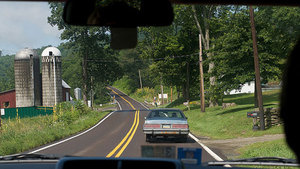
Pass the time when moving in a car with some of these creative activities
By Richard Farrell
Special to Relocation.com
Moving across the country in car is one way to save money. However, when you add kids into that mix you have to consider that they may get bored – especially when you will be driving for hours on end. Check out some of our creative solutions to make it easier to get to your new home when driving.
Planning the Trip:
- Once you have chosen your route, it is time to calculate how long you are going to be a passenger or driver in the car. Allow for unforeseen delays such as traffic backlogs and diversions along the way. Once you know your likely journey time you can plan around it better.
- Pack a cooler of healthy snacks and lunch options for your initial ride. Once you get on the road, plan to use drive-through food outlets along the way as this will save a lot of time. Keep a couple of trash bags handy for any garbage.
- Wear sensible clothing and shoes for the journey. Choose comfortable shoes and clothing that are easy to slip off so that you can relax and let your feet breathe. Long trips will likely result in posture issues and your feet will soon remind you of the fact that you are not comfortable. Shoelaces are not practical in these circumstances.
- Should you be sharing the driving, do make sure you stop in a safe place and take time out to walk about and do some breathing exercises before you take the wheel. Include some stretching exercises too..
- Consuming of alcoholic beverages immediately before or while traveling makes for another definite “no.” Apart from affecting your reaction time it is breaking the law and your journey to your new destination will be remembered for all the wrong reasons!
7 Fun Tips to Pass Time in a Car:
- Bring CD’s. Sort through your CD collection and pick out some favorites and maybe a couple that you have not played for some time.
- Radio. Satellite radio played through your car sound system is of excellent quality and clarity. Tune in to your favorite stations before you set off.
- Books and Magazines. Kids love books and magazines. Make sure you have plenty for the journey.
- Music DVD’s. You may be lucky enough to have a sophisticated in-car system. If not, then there are plenty of good quality portable players for you to enjoy the latest movie offerings as well.
- Take Naps. Short napping is good, but sleeping the entire journey may be considered antisocial, and besides you will be missing the passing scenery and could arrive feeling less than your best.
- Food. Choose snack food that does not make a big mess. Dry snacks such as chips and peanuts or glazed dry fruit are great for the car. Avoid too much intake of food and drink or you will be stopping at every restroom along the way.
- Rotate Drivers Regularly. This is very important for long journeys. If you are the only driver you will need to consider breaking your journey with an overnight stop. In any event, do stop every 90 minutes but make sure you pull over in a safe place.



Moving with a teenager doesn't have to be difficult. Check out our tips for making this move easy!
By Dermound Becker
Special to Relocation.com
The stresses, strains, upheavals and turmoil of moving are difficult enough, but when you add teenagers to the mix, chances are things will be even more complicated. Not only do teenagers have raging hormones and pendulum-like mood swings, they generally, do not react well to change. When a family moves, they will have to leave everything that is safe and comfortable including their school, sports and other extramural activities and, most importantly, their friends. This could be a recipe for catastrophe, if it is not handled with a delicate hand and a lot of understanding.
The most important step to inform your family that you will be relocating to another area early on. Sit down with them and explain the reason for the move – whether it is for financial reasons or a new job. The main thing is to be honest and direct with your teens. Many teenagers feel that they are already adults and therefore need to be consulted on such a momentous decision; others will suddenly feel that they are not yet adults at all and will feel very vulnerable to the consequences of the move.
Throughout the process of planning, organizing and packing, take the time to listen to what your teenager has to say. Having a sympathetic ear may just be the lever needed in order to get him or her to get involved with the move, start sorting their possessions and maybe even begin packing a few boxes of their own. You may be surprised to learn that your teenager may even relish the thought of a move, if perhaps his or her current peer group is a bit boring and they actually need a change.
If at all possible, try to plan your move at the end of the school year, or at least at the end of a semester, as this will be the least disruptive to your teenager and will have the least impact on their social life and their school work. If you have no choice as to when you have to move and it is very close to the end of your teenager’s school life, think about organismic for him or her to stay with relatives or friends until the completion of their studies.
Another aspect which is imperative when relocating a teenager is to ensure that he or she is not completely cut off from their friends. This means that they should be given one of the latest gadgets to allow him or her to e-mail, tweet, or send MSM messages to keep up with the latest news and to be able for them to report on their new lives. Organize a Skype connection with a camera so that they will be able to see their friends as well.
Finally, if you will be buying or renting a home in the new area, involve your teenager and listen to his or her opinions to make them feel that they are important members of the family and that their opinion is valued.

These tips will make your miliary move easier
By Dermound Becker
Special to Relocation.com
In general, families in the military move from one base to another – and even from country to country – about once every two years on average. Since moving is such a great upheaval it can be especially difficult for military families to cope and manage with the constant packing and unpacking.
As with all moves, basic organization and planning are the keys to a successful and less stressful relocation. Listed below are some tips for military families who have to move often.
The first step is to set up a meeting with the transportation office on the base where you are currently located. During this meeting you will be given certain forms which must be filled in, in order for those in charge of this office to process your details and ensure that you have all the information you may need to, for example, apply for a Dislocation Allowance (an allowance to help pay for all sorts of miscellaneous expenses); for a temporary housing allowance, or for any other of the numerous financial benefits which may be available to your family. You will also be given information on the two ways of making the move, because military families have two programs to choose from when it comes to moving from base to base. One is that the government will actually transport your household possessions for you. The other option is the DIY method. Should you choose to move your belongings yourself, you will be reimbursed about 95 percent of what it would have cost the government to use their moving services.
Along with the planning and organization, families should also downsize and get rid of absolutely everything they don’t need. With clothing, this means anything that you have not worn in the past year. Downsizing will ensure that you do not have to pack and then unpack (and find place for) items for which you no longer have any use. Donate these items to charity, ask friends or family if they would like to have them or, as a last resort, have a garage sale.
For safety and security reasons, keep all your personal important and legal documents with you – do not pack them into boxes for the moving company to take away for transportation.
Take photographs of any of your valuable items so if anything gets damaged or lost, you will have a record of such objects.
Finally, make a list of what you have packed into each and every box and, once they have been sealed, write on them in clear handwriting exactly which room in your new home the boxes need to be put in. This will help enormously when it comes to unpacking and organizing your new home.

Congratulations on moving in - now it's time to unpack and finally settle in.
You did it – you finally moved it! Although the moving companies are long gone you now have a sea of moving boxes, unpainted walls and a bare home to deal with. Before you go crazy with the unpacking, we advise setting up a plan so that you can quickly settle-in and enjoy your new home.
1. Go out to dinner. No, this isn’t a plot to aid in your procrastination. We simply think that taking break after the days (and sometimes months) leading up to a move is a healthy way to re-focus on your plan. Getting out of the house is a great stress-reliever that will (hopefully) allow you to think about something else other than those boxes at home. Plus, having a relaxed dinner is also a great way to check out a restaurant or neighborhood in your new town or city.
2. Make it a party. If you can’t manage to break away from your unsettled home, consider having a painting and/or unpacking party. This will allow you to ask for help by offering your friends food and drinks as well as they help you in making your house a home. Make sure you tell your friends to wear old or ratty clothes –painting isn’t pretty but it can sure be a lot of fun.
3. Unpack with purpose. Moving is a great time to unpack in an organized manner – meaning not just leaving your items unattended to for days, or the worst case, leaving them in boxes and shoving them in a closet! If you find that you don’t have room for certain items, consider storage or maybe giving them away. You want to establish a fresh start in your new place and not a continuation of the way you were living.
4. Don’t overdue it. Everyone wants to be settled into their new home and neighborhood as quickly as possible. The problem when you try to do too much is complete burnout. Give yourself a schedule – allotting time for breaks outside of the home. Sometimes what you think you can do in a week will actually take two or even three weeks. Don’t let this stress you out and realize the hard part (moving) is over.
5. Celebrate. We mentioned going out to dinner and having a painting party, but now that you have unpacked and decorated it’s time to really celebrate with a housewarming party! Invite friends in your area for a casual evening of food and drinks. If you are completely new to an area, have a small dinner party with just you and your partner and/or roommate. However you celebrate, make sure you site back and finally enjoy the fruits of your labor.
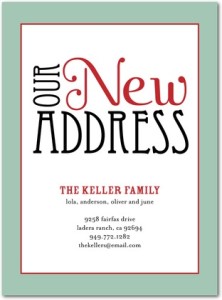
Moving Announcement Cards by Tiny Prints. (Image Credit: Tiny Prints)
By Serena Norr
Congratulations on your exciting move. This will be a (very) busy time for you as you research and locate movers, pack, and of course, leave your old home. Another thing on your growing to-do list should include letting your friends and family know that you are moving by announcing your move and providing them with your new contact information (address, phone number, email address, etc). One way to do so is by sending out a moving announcement either as a postcard or through an e-card – here are some of our favorite options.
1. Tiny Prints. The adorable moving announcements by Tiny Prints feature a wide-range of styles and patterns from contemporary and modern to more traditional cards to announce your move. We love the Simply Understated: Basil Cards and the Beep Beep Bug: Agua Cards that allow you to add a picture. The price for these moving announcements is also right averaging around $1.00/per card.
2. Purple Trail. With everything involved with the moving process, ordering and sending out cards might not fit into everyone’s schedule. As a website, we love quick and simple and found that on PurpleTrail.com. This online invitation site (they also offer cards you can order and mail out), features over 50 moving announcements that you fill out in their browser. You can add a personal message, upload photos and add creative design elements from Purple Trail’s library. Even better? Purple Trail is a free service when you send 75 cards or less.
3. Make your Own. For those craft mavens out there, consider making your own moving cards. This definitely requires some planning (and time) but if you are able to manage both then making your own cards can be a fun way to announce your move as you add your own personal design and flare. This can also be a fun project for kids and a great way to keep them busy while you are dealing with the organizing of your move. In your own cards, be sure to include your forwarding address, new phone number and email address.
Don’t forget to like us on Facebook and follow us on Twitter!
• Follow us on Twitter @Relocation_News
• Become a fan of Relocation.com on Facebook
February 22nd, 2011 by
Admin
Categories:
condos,
DIY Move,
family moving,
foreclosures,
homes for sale,
House Swap,
Moving,
Moving Day,
Plan Your Move,
Plan Your Relocation,
Real Estate,
Relocation,
rentals,
Travel Comments:
No Comments »
Looking to buy a home in Hawaii? Whether you’re relocating to the islands or thinking of buying an investment property, finding the right piece of Hawaii real estate requires time, effort, and yes, an island visit — or two! Though you can easily narrow down prospective island properties with a myriad of online tools, virtual house hunting can only take you so far. There’s no substitute for the real thing.
Visiting Hawaii isn’t exactly a hard sell, but if you’re new to the islands; it can still be daunting. Here are some quick tips to keep in mind before you book your trip.
1. You don’t have to splurge on a hotel.
There are two versions of Hawaii: the one you see as a tourist, and the one you see as a resident. Though there is a massive amount of resources and services available to tourists, things work very differently for locals. While you’ll probably have to stay in a hotel, keep it simple. Forget the ocean view or the upgrade to a suite, and don’t rule out discount chains. After all, the point of visiting Hawaii is to spend as little time as possible in your hotel room. And you don’t want to mistake tourist luxury for day-to-day reality. You might even want to consider a Hawaii vacation rental… though be careful: these are tightly regulated, and not all of them are legal operations.
2. Be flexible on transportation.
For the most freedom and flexibility, you’ll probably want to rent a car while in Hawaii. But if your budget is limited, or if you’re not comfortable driving in an unfamiliar place, you have other options. If your interest is Honolulu real estate, the island of Oahu boasts one of the best bus systems in the country. If you find a place to stay near Waikiki or Ala Moana Center, you can catch the bus just about anywhere for $2.50 each way (or $25 for a four-day pass). Otherwise, you can look for shuttle and taxi services (though these often require reservations, as you can’t “hail a cab” on the street). Finally, remember that there are many friendly and knowledgeable Realtors in Hawaii. They would know the best way to get around your future neighborhood, and often schedule caravans or gladly take clients around on their own dime.
3. Play early, work late.
Checking out Hawaii homes and Hawaii condos is hard work, but it’s hard to resist taking some time to play tourist. You should! But if you’re looking to see some of the most popular attractions — the Arizona Memorial at Pearl Harbor, Hanauma Bay, or Diamond Head on Oahu, or the Hawaii Volcanoes National Park on the Big Island — don’t waste your time in lines or fighting crowds. Start your day as early as possible to avoid the crunch, and to save more of your day for your property search. Hike Diamond Head at dawn, catch the first tour at Pearl Harbor, and be ready to get back to work by lunch. The afternoon and early evening is often the best time to meet with Realtors or sellers, anyway.
4. Eat different.
Hungry? Sure, Hawaii is a U.S. state, and has most of the brands and chains Americans love. But Hawaii is in many ways a whole other country, and overflows with unique dining options. Try to make it through your stay without visiting a single chain restaurant. Or at least stick to Hawaii-based chains: Zippy’s and L&L Hawaiian Barbecue restaurants are almost everywhere. Mom and pop diners and food trucks are great options as well. Remember that Hawaii has strong ties to the Pacific Rim and Asia, and explore those cuisines. You probably won’t be able to stick to your diet while in the islands, but you could quickly become an expert in sushi, or the local plate lunch.
5. Slow down, and take it easy.
If you’re used to the fast-paced, brisk and efficient pace of business in most American cities, landing in Hawaii can be a jarring experience. Bringing expectations from New York, Chicago or L.A. will only lead to frustration. Things in Hawaii move slowly, run late, and are usually very casual. (“Hawaiian Time” is an oft-used phrase that essentially means nothing starts or runs on time.) Leave your ties at home, don’t panic if you get a hug instead of a handshake, and expect to miss a few appointments. Rather than trying to squeeze in six visits or meetings, plan for three, then play it by ear.
Finally, don’t forget the basics. Wear sunscreen and carry water, as you can still get sunburned or dehydrated during “winter” in Hawaii. Don’t leave valuables in your rental car, and keep important documents safe. And most importantly, enjoy. You’re in Hawaii!
January 5th, 2011 by
Admin
Categories:
DIY Move,
family moving,
Holidays,
Moving,
Moving Day,
Moving Industry,
Moving with Kids,
Packing,
Plan Your Move,
Plan Your Relocation,
Relocation,
Relocation Data Comments:
No Comments » 
Moving with young children can actually be enjoyable!
By Relocation.com Staff
Although it is advisable to move during the summer period to start children in school during the beginning of a new school year, this is not always possible. Given the other alternatives, experts are divided on the best time to move when you have children that are in school. Some experts think that it is best to move during the holidays, while others believe it is best to move during the school year.
If you have the flexibility to choose when you move your family, then you should consider a couple of points when making your decision.
Moving During the Holidays:
- The children are out of school anyway. Their studies will not be interrupted.
- Your children will start the new term with other new kids and therefore may not be considered the new kids on the block.
- Other activities such as sports or extra-curricular activities may begin after major holidays.
Moving During the School Year:
- Your children will make friends more quickly because they immediately jump into the classroom environment.
- A quickly established routine may help your children adapt easier.
Given the inherent challenges that both of these options create for your school-age children, you will want to carefully assess all of the factors before making your final decision. Most moving companies will provide meaningful discounts when you are not moving during the busy summer moving season, which is yet another factor that you will want to take into account when you choose your date to move.
Don’t forget to like us on Facebook and follow us on Twitter!
• Follow us on Twitter @Relocation_News
• Become a fan of Relocation.com on Facebook

Have too many clothes? Swap them or give them away before you move.
By Serena Norr
Now that you are moving you can actually see how much stuff you own; and most likely, it’s a lot of items that you didn’t even realize that you had. The beauty of moving is that you not only get a chance to start fresh – whether that be for a new job or the desire to explore a new town – but you also can get rid of extra baggage in the form of your old belongings. One way to get rid of your items is to have a swap party. This is a great way to have an intimate and free clothing exchange. Add some food and drinks and you have a free going away party – as your old clothes find a new home. Party down this weekend with Relocation.com’s clothing swap party guide.
1. Gather your stuff. Before the party can happen, you’ll have to organize your items into piles of what you want and don’t want. As part of your packing plan, consider what items are of value but those that you no longer have use for. This might include an expensive jacket that you no longer wear or old worn in jeans. Devise these items into a pile for your party. If you have time, wash and fold these items beforehand.
2. Organize a size box or items by type. During the moving process, organization is the name of the game. Place your items size into various boxes – this will also make it easier for your guests to know where to place their clothes. If you are swapping other items, consider organizing them by type – so books would go with books, DVDs with DVDs, etc.
3. Send out the invite. Now that you know what items you want to get rid of (er, swap), it’s time to send out the invitation. You will know how many invites to send out based on the size of your home – or wherever you may be having it. Send out a mass email or an Evite to organize your guest list. In your invite, you can also ask your friends to contribute to the swap by bringing a food item or drink – no one wants to swap on an empty stomach.
4. Get the list together. Now that you know who is coming, set up your list and do a little shopping. Since you have assigned your friends to bring some food and drink items, your shopping should be minimal. Consider some basics like hummus and pita bread, carrots, chips, wine or beer, water and fruit.
5. Party time, excellent. It’s almost time to partay! Before your guests arrive, arrange all of your clothes into their appropriate size box (small, medium and large) and set up your food and drinks. As your guests arrive, explain your organization system and start swapping!
With any luck, your old clothes, knickknacks and books will have found a new home – clearing up some space making it easier (and lighter) for you on moving day. Taking something is also not a big deal – but be sure to choose wisely. You don’t want to end up with more items than you had before the swap!

Big smiles after a green move
By Joann Pan
Let’s face it; moving your belongings from one place to another is harder than simply hiring a moving company to do it all for you. First — on the long list of things to do before moving — is organizing and packing up your old space. Unfortunately, most people are pack rats by nature; especially, when we have had a place to call our own for an extended period of time. This stuff (over time) grows and grows until we are left with a whole lot of junk to sort out come moving day.
Take a look at your home and you will be astounded by how many mugs, books and electronics that you have accumulated, but have barely touched in recent months years. Don’t we all wish someone would condense our belongings and pack up the reusable moving crates for us? But, in the end, we know what to keep and what to throw away, give away or recycle to make our moving load lighter – not to mention cut costs on our moving expenses.
Since moving is what we are concerned with 24/7, Relocation.com has compiled a list to help you save space on your journey to your new home while treading lightly on the Earth. And this couldn’t come sooner — most people in the 20th century are guilty of tossing away old computers, CD players and TVs for the latest and greatest new electronic wonder, never thinking of where their old belongings will end up. According to the U.S. Environmental Protection, the amount of computers in the U.S — ranging from 30 to 40 million — will end up in the trash in a few years. On top of all of that waste, this years switchover from analog televisions to digital ones meant that 25 million television sets found a new home in landfills. Many of these electronics contain lead, mercury, arsenic, cadmium, beryllium and other chemicals—which are as toxic as they sound—were not disposed of properly. They ended up in national landfills as well as those overseas as a result of illegal smuggling of e-waste to disassembly centers abroad. There, scavengers pick out plastic, valuable metal pieces and microchips that they can sell at a profit, leaving the scraps to be washed off to sea.
Now that you know where your old items go, it’s easy to see why disposing of them properly is not only easy but essential for the preservation of the earth. Here’s how to do your part on moving day — this will not only save you money and clear up some space, but will result in less environmental consequences. Now that’s moving in the right direction.
1. From old fire extinguishers, fungicides, household cleaners and hazardous materials such as compact fluorescent light bulbs to mercury thermostats, the eco-conscious resource, Earth 911.com has all the bases covered. Just enter what you are looking to throw away and by zip code the website will tell you how far, where, when and what various drop-off sites accept.
2. Don’t need your old mattress anymore? Usually local home-furnishing stores and mattress outlets will take your discarded bed parts because cotton, cloth, springs and foam can all be recycled and given new life. The wooden frame can even be turned into wood chips. Before lugging your cumbersome mattress to any old store, call or check MattressDonation.com to find the most convenient place to drop your old bed.
3. Do you have piles and piles of clothes that are discolored, too small or those that you are simply not interested in (clothes with tags are a good indication of this)? Well, there are plenty of places that will take your bags of shirts and pants, which in the long-run will prevent them from filling up landfills. According to organicgardens.com, you can use your cotton, wool and old leather gloves as compost. But, that’s only a last minute resort when there is a plethora of Good Will facilities, Salvation Army locales and organizations like Housing Works NY that will take your old clothes and make money for those who need help such as for AIDS research. Or, as another option, if you have friends your size have a swap party where you exchange shirts you are tired of for new fashions—as they say, one man’s trash is another man’s treasure. Recycle, reuse and renew the Earth in style.
4. For all the miscellaneous junk—from old picture frames, CDs, bulky furniture to gifts you’ve never opened—there are online resources such as Craigslist, Ebay or Amazon where people are looking for deals daily. On the “Free” neighborhood sections we have seen everything from chairs, tables, bed frames, pool tables, camera equipment, grills to pet cats! Most people are moving or making room for new stuff, so you can decidedly let willing people take your junk away for free. On Ebay or Amazon, you can “sell” your stuff for a few cents or dollars and someone will gladly pay shipping to take your old junk away from you. These options make for a win-win situation for you and the environment.
If you need additional help, there are resources such as the official EPA website, theDailyGreen.com and company websites of Apple, Dell, HP, Gateway and Best Buy— all of which tell you what to do with products after you’re done with them.
More Green Resources for your Move:
More Green Home Ideas [Relocation.com]
High-Tech Trash [National Geographic]
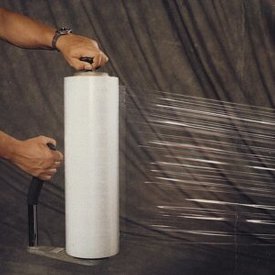 Ah, the humble stretch wrap.
This saran wrap-like substance is used by moving companies to protect items that won’t fit in boxes and can’t be pad-wrapped (ie, protected by moving blankets).
However, just like you have to watch for crazy charges on moving day boxes, watch out for moving day charges for stretch wrap.
First off, do your movers even charge for it? Many companies, particularly the van lines, do not. Moving companies don’t use much of it, so stretch wrap is a minor expense and they don’t pass the cost on to the consumer.
However, some companies do charge for this. And it can be hefty – I heard from one woman who said she got charged $1 a yard. Compare that to a large roll that you can buy yourself for 5 cents a yard.
If your moving company does charge, you can wrap items yourself to save on the expense (whether they charge for it should be broken out on your contract; I’d also ask specifically WHAT materials they charge for).
Which items will the moving companies want stretch-wrapped?
* Any upholstered furniture or headboards
* BBQ grills so that no grease gets on anything else
* Lawn furniture to protect from scratches
* Children’ s toys
* Some tools
And that’s, um, er, a wrap.
Related Articles:
Major Mistakes When Choosing Movers
5 Easy Ways to Save Over $1,000 on Your Move
3 Moving Scams You’ve Never Heard Of

Loading a rental truck often looks like a rugby scrum gone bad: all the helpers wildly throwing stuff in the truck, making the packing inefficient, and exposing your stuff to damages because of shifting in the truck while you’re moving.
Many people look to save a buck by eschewing moving companies, but it’s all for naught if your stuff is destroyed or you have to make two trips because of lousy loading.
There’s an easy fix: Have one person in charge. It’s their job to direct where items go on the truck. They should stand in the back of the truck as helpers bring in items, and then decide where they go in the truck.
While you might mock this person for not having to do as much heavy lifting, they’ve actually got the most important job of the bunch: their work will ensure that you get everything loaded in the truck, and that it all shows up at your new home in one piece.
Here are some tips to keep in mind as you load the rental truck:
Your First Steps
To make everything more efficient, get everything you need to load your truck before you begin actually loading.
Make sure all the moving boxes you’re putting in the truck are fully packed — top to bottom and side to side. If there’s empty space, fill it with enough paper so they don’t get crushed if other items are stacked on them in the truck.
Stretch-wrap sofas to protect them from dirt, or punctures. Also do mattresses and other soft items, or buy boxes or mattress bags for them.
Have enough padded materials (moving blankets) on hand to wrap furniture for protection. Wrapping furniture makes it easier to load tightly in the truck without hurting it. Try to load stuff tightly to prevent items jostling against one another during the move.
Loading It
Start loading at the front of the truck or van and work your way toward the back.
Stack items from floor to ceiling, and try to fill every space needs to be filled so no items shift during transportation. Boxes should be used as filler for open spaces.
Put heavy items lower on the truck, with lighter items on top of those.
Pack each ‘row’ fully (floor to ceiling), before moving on to the next row.
You might need to disassemble some things to ensure safe transport, like removing legs from tables. Don’t get lazy on this point, you could cause some real damage.
Sofas and some other pieces may be placed on their ends to achieve a tightly loaded truck, but you will need to be sure to place the items next to items that will not cause damage. And if the fabric, they need to be wrapped.
If you don’t use the entire truck, secure the back of your shipment with loading straps to keep things from sliding backward. When you rent your truck, make sure these things are available.
Many people struggle over how to pack fragile items — glass items, picture frames, that beloved neon beer sign from college.
Here’s a suggestion: stop worrying about it and have the moving company pack it. You’ll pay for it, of course, but you could end up saving in the long run.
How?
When you pack items yourself and the items inside get broken, you won’t be covered by insurance. That’s right. All the bubble wrap and good intentions in the world won’t protect that awesome ceramic cat if it gets broken in a box that you packed yourself.
Unless the box itself has visible damage and was obviously dropped or somehow damaged in the move itself by the moving company, the only coverage you’ll have is the minimum valuation that moving companies are required to provide: 30 cents per pound for local moves, 60 cents for long distance moves. That won’t go far in replacing the item.
Here’s another sobering fact: You’re bad at packing. Oh sure, you’ve moved 3 times and like to think yourself a whiz with tape and those little syrofoam peanuts.
But you’re not that good. Sorry. And even if you are good, you’re not as a good as a guy who does it full-time, every day, every week of the year.
But in the end, it’s not about who’s the best: it’s about what happens if something gets broken. And if something does, it might be the best route to make sure your items are protected by insurance.
For more information about insuring your move, check out this article on moving insurance. This article can help you learn how to pack fragile items.