Archive for the 'Moving' Category
By Relocation.com
When you sign a lease agreement, most likely you’ll be signing on for a set period of time, such as six months or one year. That means you’ll have to stay on for this amount of time or risk breaking your lease.
While many people do intend to stay long-term in their apartments or homes (after all, moving all the time can be costly) there are some unforeseen circumstances where you might be forced to break your lease before it us up, such as illness, job loss or other emergencies. If you absolutely have to break your lease agreement, here are some of the things you should consider.
Alternatives:
Before you try breaking your lease, there may be other things you can do first. You can ask your landlord if you can transfer the lease to someone you know (and have them move in and pay off the remaining rent for the lease term) or find a sub letter, who will be your responsibility for the time of the lease. In many cases, landlords hate breaking lease agreements because they don’t want to lose the income from the rent and/or don’t want to be bothered with having to look for tenants. If you make it as easy as possible for them, you may be able to get out of your lease unscathed.
Circumstances When You Can Legally Break Your Lease
There are three main circumstance wherein you can break your lease without penalty:
1) If the apartment or whom suffers serious damage through natural disasters, crime or other instances through no fault of your own.
2) If you suffer serious health issues which require you to live in an assisted living facility.
3) If you are called into active military duty after you’ve signed your lease
In these three cases, you can legally break the lease and your landlord cannot go after you for penalties.
Landlord Deficiencies:
If your landlord has been deficient in his or her duties, then you can also break your lease since he or she is not keeping up their end of the bargain. For example, if you’ve repeatedly sent requests for repairs and they ignore you, or if they’re supposed to pay for the utilities but haven’t (or have been keeping the payment for themselves if you give it to them) then you have just cause to break your lease. Make sure you keep good records (like written or e-mailed requests for repairs, etc.) so you can make your case, in the event that you have to go to small claims court or have been served with other legal documents and actions.
If you just want to break your lease because you want to move somewhere else, because you can’t pay or perhaps going through a divorce or separation, you may find it harder to break your lease. However, first talk to your landlord and offer the aforementioned alternatives, that way you can have a peace of mind when you coordinate other aspects of your move like locating moving companies.
By Relocation.com
Summer is just a few months away. Flowers are blooming and the weather’s getting warmer. However, your home seems to be stuck with the winter blues. So before the sun finally shines again, you want to have your broom and rags ready for spring cleaning!
The start of spring marks the best time to clean our homes. With all those leaks and damages brought by the snow, it’s time to do some fixing and de-cluttering. Because of the fine weather during spring, it has become a tradition for majority of Americans to clean their houses thoroughly this time of the year. Nonetheless, spring cleaning can be extremely strenuous. Many people often go puzzled and stressed out on determining where to start. If you own a big house with lots of clutter, you might find it real hard to begin spring cleaning. Fortunately, there are several ways to cut the burden and make cleaning more effective, less-time consuming, and more enjoyable. Let’s talk about them on this article. Are you read? It’s time for spring cleaning!
Getting Started
Organization is the key to an easy and smooth spring cleanup. Before you start dusting the furniture or scrubbing the floors, you want to come up with a strategic plan which tells what areas should be cleaned first, when they should be cleaned, who’s in charge, and how they will be cleaned. It’s always best to have the whole family involved in the entire cleaning process. Aside from reducing the time and effort, it can also be a great time for family bonding. So back to organizing – the best way to do this is to gather the whole family and assign an area for each one. For instance, you and your spouse will be the head of the spring cleanup drive while your youngest child will be responsible for final inspection. Don’t try to finish the activity in one day or everyone in your home will get severely exhausted. You want to take everything slow but surely. Most people usually start with the dirtiest part of their house up to the areas which only require minimal cleaning. For instance, you can start with the basement or attic (which usually is the hardest to clean) down to the living room.
Don’t hesitate to seek help. There are things that no matter how much you wanted to do will be done best with the help of cleaning experts. For instance, you may have huge items that needed to be hauled or removed from your home. You may also have big trees that need to be trimmed or cut. So in the planning, you may need to identify what things should be done by a cleaning expert. Aside from saving you time and energy, doing so will eliminate the possibility of accidents and mishaps.
Spring cleaning can be a great activity when done correctly and safely. You should also wear proper clothing whenever you clean. When it comes to the choice of cleaning products, it’s ideal to go green.
By Relocation.com
Congratulations on your exciting moving experience! Now that the long distance moving companies have left, it is time to think about decorating and designing your new home. While your home may be your castle, your bedroom is probably your own private domain. So much so, that many couples keep this place just to themselves, and make it a “kid-free” zone. If you want to make the most of this private, intimate space for you and your partner, check out these romantic bedroom decorating ideas.
It’s all about the lighting:
Lighting can make the mood in any place, and convey many feelings depending on how it’s done. For your room, of course you’ll need some utility lighting, for when you’re dressing up or cleaning up. However, it’s good to have soft mood lighting as well. Try to install some soft yellow bulbs, which bring out a romantic mood. You can also have a nice lamp next to your bed, so you can turn off all the other lights and just keep this one light on. If your light is too harsh, try softening it up with a sheer scarf.
Color choices:
The way you use color in your bedroom is important. While greys and blacks and white are modern and dramatic, it hardly says “romance.” Deep reds, pinks and rose shades are definitely romantic, but you’re not limited to just these colors. Other warm tones, like soft oranges and yellows. Cool tones like blue and green can be soothing, and allow you to relax and put you in a more romantic mood.
Soft Fabrics:
Choosing your fabrics is important when trying to set a romantic mood. Changing the sheets can make a big difference – try using soft, silky materials and putting away your utilitarian cotton and linen sheets for a while. Feeling the sensuous fabrics next your skin can quickly put you in the mood.
Flowers can set the mood:
Scents can trigger emotions, and some fresh flowers set next to your bedside can quickly put you in the mood. Roses are the best type of flower, but experiment with lavender (which is said to be a male aphrodisiac), jasmine or lily of the valley. If you can’t get any fresh flowers, try to spray your sheets with your favorite fragrances.
Clean up the clutter!
It’s best to keep your bedroom free from distractions, and that includes clutter! A messy room can divert your attention, so make sure you keep your room clean. And, if possible, keep the TV out of the bedroom, or at least have a way to keep it hidden.
Using these guidelines, you’ll be able to turn your bedroom into your own romantic hideaway.
By Relocation.com
For seniors and elderly people, moving can be a difficult time. There are many reasons why they need to move – illness, downsizing, or perhaps just moving in with another relative. If you’re helping an elderly friend, relative or parents move, then you have to be sensitive to their situation. Aside from that, moving can be stressful, and someone older may not be able to deal with the physical and mental stress, so try to help as much as they can. So, try to keep these tips in mind when helping the elderly move.
Start As Soon As Possible:
Starting as soon as you can will ensure you’re not rushing and that you won’t forget things. You can start by planning things out. Work out the important details first – the where, when and how before you even being to pack up moving boxes. Try to get some help or get a moving company to help you if the work really is too much. This will save you time in the long run and you’ll have more time to devote to your elderly person’s emotional and physical needs, rather than running around trying to move everything yourself.
Don’t Forget the Non-Material Things:
There are some essentials you can’t pack up in a box, so don’t forget to arrange for them. Medical and dental records are probably the most important, but also remember prescriptions and bank accounts, some of which can only be done by the person. You may have to take time to drive them around and get these switched to the new address.
Help Them Downsize:
Over the years, he or she may have acquired a lot of things. Chances are, not all of them are important, and some may have to be sold or thrown away. Help them sort things out. You can have a pile for throwing away, giving away, keeping and selling at a yard sale. This will also ensure that they can save some money on the move.
Take Care of Keepsakes:
Of course, there will also be some things that he or she may want to keep, such as photos, jewelry and other keepsakes. Take extra care of these as these may or may not have monetary value, but they certainly have sentimental value. Don’t pack them with the movers and keep them with you at all times.
Keep Them in the Loop:
Your elderly friend, relative or parent move, don’t keep them in the dark. You may think you’re that you’re protecting them or you think it’s not important, but they may feel confused or resentful if you keep things from them. Tell them all the details, like how you’re going to move, which moving company you’re using, and also take them through the details of moving day so they know what to expect.
Keep Essentials With You:
Don’t pack everything away – there may be some things they’ll need on the day of the move. Medications, sweaters, blankets – these may be some items that they need and will keep them comfortable during the move.
By Relocation.com
For many people, the prospect of moving to a city or town they’ve never been to may seem exciting and scary at the same time, and perhaps even terrifying if you’re moving somewhere without a job offer of some kind. However, many people today have no choice, especially if their specialties or interests are not in demands where they work or if the jobs are simply drying up in their area. Should you move somewhere without a job? People move all the time, and often without jobs. If you do decide to do this, make sure you make the necessary preparations before you start packing your bags.
Research the Market:
Make sure you do your due diligence before you even consider moving. Research the job market in the area you want to move to. Are your skills and experiences in demand in an area, or are jobs in your field plentiful? Another consideration is the types of jobs you’d be willing to take and of course, what is the minimum salary you need to be able to live in the area. You can find out the answer to these questions by browsing the local employment ads, calling up employment agencies or doing your own research as to the statistics in the local economy. Also, you may want to give your resume test. Send out your resume to local employers and see how they respond. Don’t forget to let them know when you’re moving into town or if you are available to travel to their city for an interview.
Compute Total Costs:
You’ll also have to figure out how much the long distance moving companies are going to cost you, as well as how much you need to live on while you’re looking for a job. A good rule of thumb is to budget around six months of living expenses (rent, food, utilities etc.), but this really depends on your background and what job or jobs you’d be willing to do. If you background is too specific, you may find a harder time finding a job, but if your skills are highly in demand or you’re willing to do different types of jobs, you might find a job within weeks. Either way, it’s better to be over prepared.
Finding an Apartment:
Most landlords will require potential tenants to provide employment information before letting you move in, which may be difficult if you don’t have a job yet. Try to explain the situation to your landlord and offer up the necessary paperwork for an apartment, like references or bank statements; you can even offer to pay a few months rent in advanced so they know you are serious about looking for a job.
Networking:
You’ve heard the saying that sometimes the best jobs are never advertised – this is almost always true in many cases (or they will be advertised, but they will eventually pick someone within the company.) So, use networking to your advantage. Call up people you know or friends of friends (or even friends of friends of friends) and ask them if they know any company who is hiring people in your field. Also, use the Internet. LinkedIn, for example, is a great professional networking site and is rich in information and networking opportunities like joining groups or attending web events and seminars. Use the power of your connections or don’t be afraid to make connections yourself so you can land that dream job interview in your new city.
By Relocation.com
If moving is hard for adults, it can even be harder for children. If you’re moving with your family, it is important that you make your children understand why you have to move and why they shouldn’t feel bad about it. The most common worries of children whether moving just across the town or moving to a ‘never-heard’ place are not being able to find new friends, getting bullied or set aside in their new school, not seeing their peers and not being comfortable with the entire place, new faces and all.
Books about Moving for Children
It is always best to inform your kids about the upcoming move as soon as possible. You need to give them time to think and allow themselves to accept it. One way to do this is to give them books about moving. There are books about moving for children that are written creatively. For sure, they would appreciate it. Other than having something to do while waiting for the moving day, they will also get the chance to understand the reason why you all have to move. Furthermore, you might not have all the time to oversee your kids during the day of move as you will be very busy looking after your belongings and making sure everything is ready. Giving them something to read can help ease their boredom and at the same time, can help them stay put.
Some Great Books about Moving for Kids:
I’m Not Moving, Mama
This is a story about a little mouse who refuses to leave his room on the very day of moving. You never can tell whether your kids are hundred percent ready to move even if you have told them about it weeks or months ahead. When the moving day comes, everything can get overwhelming for children that they end up doing tantrums, begging the entire family to just stay. This book can help your child cope with the anxiety that moving might bring.
Who Will Be My Friends?
As mentioned, one of the fears of children when confronted with the thought of moving is not being able to make new friends. This book is a story of a boy named Freddy and his journey to find new friends in the new neighborhood. It was hard in the end but eventually, Freddy was able to meet new friends and he was very happy.
We’re moving!
This story is about a little girl named Amy who has moved with her family. This book explains to children that getting comfortable in a new place takes time and effort but as days went by and new adventures come, everything will become normal as usual.
A Tiger Called Thomas
During the first days and nights in your new home, things can get very difficult for your child. The absence of friends and playmates can really make them feel alone and lonesome. Just like what Thomas felt on his moving story. But after a night of trick-or-treat, Thomas realized it’s not really that lonely being a new kid on the block.
There are more books about moving out there that your children will love. Encouraging them to read such kind of books will take away the negative feelings they have towards moving.

By Relocation.com
Congratulations on your exciting moving experience. Having a roommate in an apartment can be a tough experience. Even before you figure out your situation with your movers, you need to establish some necessary rules directly. You also have to learn how to confront problems in a nice manner so that your household will be peaceful. It is better to live with someone peacefully. You have to make some effort to establish a good roommate relationship, especially if you live in a dorm. It will help you enhance your college life experience. These are some suggestions on how to get along with your roommate. You need to know you roommate. Do not create unjust judgments, but find time to essentially talk and mingle with your roommate so that you can know her or him better.
Start a conversation. You can express your own habits and preferences. It is also important to know your roommate’s preferences. If in case, you are used of staying up late and you usually get up in the morning late, and he sleeps at 9 p.m., you have to make sure that you both know this and you can find a compromise. You need to cooperate with your roommate. If he usually sleeps early and you usually sleep late, make a system that can allow each of you to feel as if your needs is the same. You need to respect the opinions of your roommate, including his needs and wants. If he has an important exam or event the other day, do not insist on staying up late at night with the radio blasting and the lights on.
Set up a schedule. In order for the two of you to establish things easier without hurting one another, you should set up the rules and a schedule for chore delegations and study hours. Sticking to and planning your schedule can avoid misunderstandings and conflicts along the way. It can ensure that chores and study needs are compatible. If there are conflicts, you have to resolve them quickly. Do not let any problem fester. It will just lead both of you to further problems or complications and eventually hurt feelings that can possibly be the reason for either of you to move out. You have to remember that you are each a separate individual, both of you have distinct living styles and tastes and you cannot expect that your roommate will automatically get use to the way and manner you desire to live. You have to be open minded and flexible. Being overly inflexible about bedtime, cleaning or noise issues will bring no good. It will just create a gap between the two of you.
Make an effort to create friendship. You can do things together. It does not mean you have to share bathroom at the same time. It means you have to interact with your roommate. Do something enjoyable together and try to know her or him well. By watching a movie together, you can learn more about your roommate. Your relationship with a person or with your roommate will depend on the effort you put in to share interests with her or him.
At the start having a roommate is really tough but if are able to establish a good relationship with him, it is fun. You have to go along with the situation, create a positive energy between both of you. It can be an opportunity for yourself to learn and possibly, to create long lasting friendship.

Image Credit: MyMove.com
By Dawn Allcot, Guest Blogger
More than 12 million unmarried people in the US have moved in with a significant other, sometimes as a predecessor to marriage—but sometimes not. Either way, combining households presents challenges…on top of all the regular challenges of moving! Follow these tips to make the moving and cohabiting process go more smoothly.
Money Matters When You Move In Together
Couples who talk about money have fewer conflicts, overall. Open discussions about money may prevent messy situations should you decide to break up or end the living arrangement. Here are a few money tips to get you started before you move.
1. Be honest about your finances, including income, expenses, debt and your credit score. If you’re buying a home or leasing an apartment together, this is mandatory. But it can also affect day-to-day living if one partner isn’t honest about their salary and then cannot afford their share of the expenses.
2. Decide how you will split expenses. There are many ways to manage money when you’re moving in with a significant other. 50/50 split, much like roommates? Joint bank account for household expenses? Or something else? If a break-up occurs, what happens to items purchased while you were together? Married couples have legal rights, but when you move in with a significant other, you both get to lay down the law.
2. Know your rights. In some cases, domestic partners are entitled to health insurance. Does your partner have a living will—and do you have the legal right to enforce it? Do you have power-of-attorney if something happens to your partner? It’s important to consider these things before moving in, especially if the relationship is serious.
Yours, Mine, Ours?
Three more tips for moving in with a significant other:
1. Discuss chores. Couples in one study reported that they fought more frequently about taking out the garbage than about money. You may not go as far as creating a chore chart as roommates might, but definitely discuss who will do what around the house.
2. Discuss how to divide personal space. Whether you’re moving in to a new apartment or home, or if one of you is moving in to the significant other’s existing space, decide how that space will be shared. Is it okay if his 800-watt stereo system makes its home in the formal living room? Will there be a man cave? Where will the crafting supplies go? Even in small apartments, you’ll want a space to call your own.
3. Decorate so the space reflects both of you. Having a discussion about the décor—and redecorating, if necessary—can prevent one partner from feeling as if they are a visitor in their own home.
This philosophy of remembering that the space belongs to both of you is the most important key to successfully moving in with a significant other.
This article was provided by MyMove.com, an online resource where you can find the information, products and moving coupons you need to streamline and save during a move.
By Relocation.com
After moving, you will have to think about how you will decorate your home. This starts by choosing proper lighting conditions for your home. Choosing lighting for your living room isn’t as easy as installing a single light bulb in the middle of the room, but neither is should it be a complicated task. The living room is your home’s most visible and public area and decorating it completely also means taking lighting design into consideration.
Lighting design considers the uses of the room and how lights may be placed to get an effect that is both functional and decorative.
When illuminating the living room, the key thing to remember is the living room is an area with so many uses, and its design and lighting must fit each of its different functions. The living room is primarily for entertaining, but people also go there to sit and relax, read, or maybe watch a movie or listen to music.
Main Lights:
The focal point in lighting this room is the main lights. These are usually found in the center of the room. They are decorative and dramatic, adding flourish to what would otherwise be a bare ceiling. If your ceiling is high enough, consider getting a chandelier, whether modern or traditional in design this type of lighting adds more than a dash of elegance to your room. You can also opt for simpler main lights but remember that eye-catching main lights really do make a difference to the finished look of the room. Main lights are good to turn on during parties and other festive occasions.
Dimmed lights/mood lighting
Watching a movie in the living room calls for dimmed lighting. This can be the recessed bulbs in the corners of the room, operated with a dimmer to keep glare out of the TV screen.
Lamps:
On the other hand, reading a book requires additional light and this is where lamps, and reading lamps, come in.
Lamps can be placed in corner tables, or right beside the reading couch, and provide focus spot lighting. Alternatively, stand lighting, similar to floor lamps but with bulbs facing upwards. Lamps can also provide area lighting around the living room. You can create a softly dramatic look in your living room by turning off all the ceiling lights, including main lights, and keeping the lamps on.
Spot Lights:
If your living room has paintings or shelves, etc, consider small spotlights that draw attention towards these. These lighting fixtures add accent to the room’s special highlights. You can also use spotlights, properly dimmed also as mood lighting.
Area Lamps:
You would also need area lamps to light up particular sections of the room. This is both energy saving and practical. Mood lighting is dim and soft, and if done right, transforms your living room into a cozy cocoon.
Coming up with the perfect lighting system for your living room means creating a combination of any one of the above. But first you have to consider what uses your living room is more frequented for and decide from there. Of course having all these elements together is ideal and creates the most dramatic lighting effect.

By Relocation.com
When moving to a new house, packing electronics require more attention compared to, say, your furniture. Electronic appliances need careful packing as they are fragile. They are also sensitive to dust, moisture, magnetic fields, pressure and vibrations. Pack them well to ensure you still get to use them (and they remain in tiptop condition) in your new home. Here are some of our tips:
Pack sets together. Some electronic equipment, for example stereo components and movie theater systems, come in sets. Make sure that you pack the sets together. If you accidentally misplace a part, you might be left with a hi-fi system that’s missing one speaker. You should also pack all the corresponding wires and peripherals together with the main system to save yourself the trouble of sorting them out again later.
Use moving boxes for storage. If you haven’t disposed of them yet, use the original moving boxes and paddings, otherwise sturdy corrugated carton boxes bought from the store or provided by the mover will serve the purpose.
Draw a diagram of the wiring. For reference in re-connecting wires and cables between components, draw a diagram of how the wires are hooked up to their corresponding terminals on the device. Note down the color coding scheme or attach matching tags to each wire-terminal pair. Bundle wires and cables securely and label them but do not bind or roll them too tightly to avoid internal damage. Optical fiber cables can easily break.
Secure loose/moving parts with masking tape. If you have a vinyl record player, disconnect the stylus assembly from the tone arm, put it in a small box and tape the box under the tone arm. Fix the turntable to the base with tape to prevent its movement and tape the tone arm to its rest. Lastly close the turntable cover and tape it to the base. Put small hardware items such as screws, nuts and bolts inside a plastic bag and tape the bag to the component where they came from.
Always label “FRAGILE, ELECTRONICS” on the sides and top of each box. When necessary put a “THIS SIDE UP” label on the sides of the box. It goes without saying that cargo items should be tagged with the name and address of the owner.
Before and during the move, keep components away from sources of liquids, wet surfaces, and strong magnetic fields. Provide water-damage protection by placing components inside plastic bags before packing them in boxes.
Pack to protect fragile parts. For components subject to risk of breakage or scratches like TV screens or computer monitors, pack them in such a way as to minimize stress or pressure to the delicate parts. Provide appropriate padding or spacers such as thick cardboard or styrofoam boards or pellets.
Cover speakers. Speaker units also need to be protected from possible dents to the cabinet and the acoustic cones. Cover the front of the cabinet with cardboard and wrap it over and around the edges. For heavy units, it’s a good idea to bind the box with packing tape to prevent bursting and tie it with heavy cord to provide handles for lifting.
Make sure the moving service company drives with care! Check whether the moving company has insurance coverage against loss or damage to cargo.
January 24th, 2012 by
Admin
Categories:
apartments,
condos,
foreclosures,
Home Improvement,
homeowners,
homes for sale,
Moving,
Real Estate,
rentals,
Roommates Comments:
No Comments » 
This guest post was provided by Central Austin homes maven, Allison Allen.
One of the most steps to selling your home is making it attractive to prospective buyers. Showing the house is one thing, but showing it well is a whole different ball game. Even the most seemingly insignificant adjustments can transform your cluttered clamor into the house of people’s dreams. Here are some tips to help you get started.
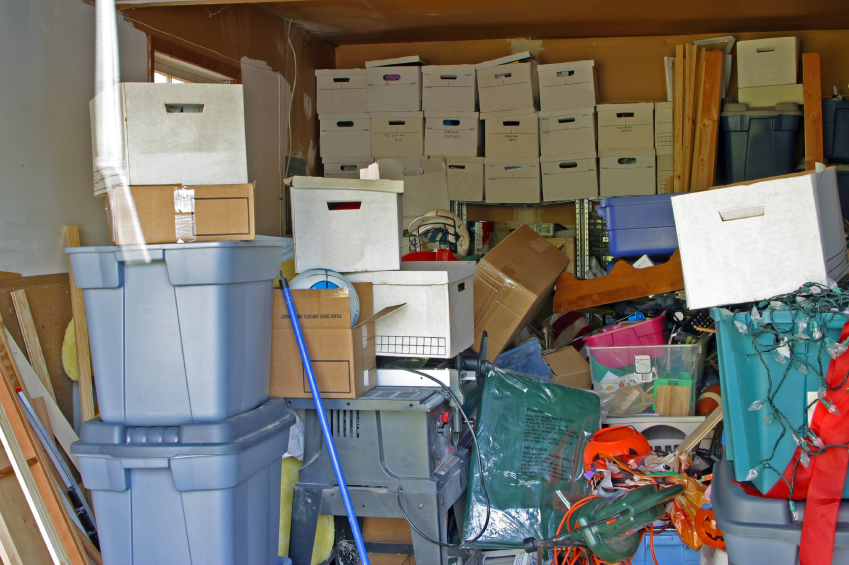
The first thing to do: remove clutter. Nothing hurts home showings worse than clutter and disorganization and there are plenty of easy ways to de-clutter.
Turn unsightly household objects into home buying appeal. If you have a bunch of old magazines and books lying around, organize them into a bookshelf, or use them to accent other home décor. Old books make great lamp stands when stacked. If you haven’t used the stuff lying around your house in a while, then get rid of it. Whatever attachment you felt towards those things will soon be replaced by a sense of relief for your clutter free household.
Clutter doesn’t just come from knick-knacks and other things lying around, it can also come from having too much furniture packed into your living rooms and bedrooms. Although it my have been a nice set up for you, the potential buyer will be distracted by the lack of space. The less furniture that you have, the bigger the house will look, and that’s a good thing when showing a house. The more space the buyer sees they are getting for their buck, the more willing they will be to meet with asking prices. Before you show your house, take some of your excess furniture and store it away until the move. It will let the house breath and make the space much more accessible to the potential buyer.
Once clutter is removed, and the house is looking nice and open, it is usually a good idea to replace fixtures just to give it that “new house” look. This is one of the easiest and cheapest ways to really give your home a visual kick
Just as important as the inside of the house, the outside must also make a great impression on the potential buyer. Basic steps are to landscape and touch up any blemishes on the exterior of the property. Mulch that flower bed and plant something! Got dirty gutters, clean them! Nothing will hurt a house showing more than a beautiful interior and the second they step into the backyard, there’s potholes, patchy grass, and dirty windows—another inexpensive, sure-fire way to help your For Sale by Owner experience.
But perhaps most importantly in the staging process is the first impression, or as we say in the real estate business, “curb appeal”. The entrance to your home will set the tone for the rest of the house. So, tidy up that entryway. Maybe even give that front door a nice bold coat of paint on it so that the entrance will be fresh and inviting.
When selling your home, the most important element of the selling process is how the home shows. No matter your price, an ugly, uninviting, cluttered home won’t sell and it won’t look good on the part of the seller. So remove that clutter, dust of that lampshade, polish that doorknob and present a respectable and asking-price-worthy home to the buyer. Hey, you never know–after you’re done staging, your home might look so good you’ll want to stay.

By Relocation.com
After you settled in from your moving experience, it’s time to think about the look of your home. If your current home décor looks old, tired and outdated, then now is the time to bring in a fresher look. There are lots of upcoming trends in 2012 you should check out, to help you find ideas for your next home improvement decorating projects.
Green is Always In:
These days, everyone is getting on the environmental bandwagon, so don’t get left behind! Going green not only helps the environment, but in many cases helps your wallet too, such as switching to eco-friendly light bulbs. You can redecorate your home to reflect an environmentally-conscious personality by using materials that are eco-friendly. For flooring, for example, you can use cork, instead of pricey hardwoods. If you want the look of marble, but don’t want the expense of the larger carbon footprint associated with having it shipped from abroad, a material called paperstone is perfect for countertops. It is durable and made from 100% post-consumer recycled paper. Using unbleached linens can lessen your impact on the environments, and even the simplest linen can make any room look good.
Good as Gold:
Long thought to be gaudy and a feature only used by “nouveaux riche,” gold is making a big splash in 2012. While silver metals have always been associated with class, a few touches of gold can make any room look elegant (just don’t overdo it.) Use it sparingly and only for accents, like gold throw pillow, gold tassels on your curtains or gold picture frames. Mix it up with some rich colors like purple to make it really pop. Brushed brass is also a good alternative, if you don’t like the too-polished look of gold.
Neon is Back:
Neon shades are making a big comeback, and it’s not just in fashion! Neon colors can really brighten up the room, the key is to not overdo it and stick to one color. These bright shades look best against neutral tones like gray or white, but try mixing it with softer shades. You might be surprised how neon green works with soft shades of blue.
Mix-and-Match:
Decorating has its rules, and many designers want to make sure that they keep pieces together according to style. However, this is the year to break the rules, and you’ll find styles and centuries mixing together. For example, an elegant art nouveau chair can look good in a minimalist apartment, provided it be the focal point. Don’t go crazy by mixing too many styles, and make sure the room still looks beautiful.
Men’s Motifs:
It seemed for a long time that decorating was purely a woman’s job and so many designs and prints are geared towards the ladies – just check any sample book or decorating magazine and you’ll see the prevalence of florals and paisleys, silks and satins. However, prints that have been traditionally “male” like pin stripes and houndstooth, as well as fabrics like wool and tweed are moving from the boardroom to the bedroom.
So, now that you know what to look forward to in 2012, start planning your next project today!

By Relocation.com
After all of the tasks related to moving are completed there is the question of decorating that you will have to deal with. Decorating a bedroom can be a fun bonding activity between you and your teenager. For a teen, their bedroom can be their sanctuary, and so you want to make sure it is a place where they feel comfortable in. You can be involved with making the decisions, but you should also consider what your teenager likes (if you don’t know – ask!) So, here are some quick tips to help you and your teen with this decorating task.
Budget.
Setting a budget is important, so you don’t go overboard and your teen will have a realistic expectation what he or she can do with their room. If you’re doing major renovations, then you’ll probably have to set a bigger budget than if you’re just going to paint or wallpaper the room.
Design and Color.
What type of teen do you have? Is she a girly girl or a punk rocker? Does he love sports or playing video games? Let your child choose what theme and design his or her room will be. Don’t let them decide everything; after all, it’s your home. For example, painting the room black may not be a good option if you plan to sell the house in a few years. Getting hot pink carpet may be your teen’s idea of a fun time, but think about how it will affect the value of your home. Have them come to you with different ideas and then you can choose together. The idea here is to compromise.
Space.
Aside from what color walls or accents you’ll have, you’ll also have to consider the space. Your teen will want a bed and a place to study. If you’re buying furniture, you have to make sure that they’ll have a place in the room. Storage options are also important. If the room doesn’t have a built-in closet, they’ll need a clothes closet. You’ll also need shelves for books and other things they want to display, and perhaps some out of the way storage for things they don’t use often or for seasonal clothes. Under the bed storage can help you save space in this case. If the room is large, maybe you can add an exercise or lounging area as well.
Accessories.
Much like in fashion, accessories can make or break a room. If you’re just doing minor decorating, things like curtains and sheets can really change a room. Get sheets, pillowcases, curtains, towels, even shower curtains that match your theme and design. Or you can add a touch of color with small things, like lampshades and carpets to make a big difference.

Is your closet a mess? Check out these tips to help you get organized!
By Relocation.com
Storage can be small to almost non-existent in a small apartment. Your closet, whether it is used for clothes or other things, is mean to keep things in place and out of sight in order to keep your room clutter free. However, most people just pile their things into a closet, without thought of what it looks like. It is important to keep the inside of your closet neat as well. You’ll be able to keep your things neat and clean, as well as maximize your space so you can fit more inside. Here are a few tips so you can get started on getting your closet organized.
1) Clear it out.
If your closet is so full you can barely close it, then it’s time to get rid of some things. The easiest way is to start emptying your closet and placing things in piles or boxes – those things you should keep and things you should give away. Be impartial and practical when you decide on what to keep and get rid of. If you haven’t worn it in a year, chances are you’ll never wear it again. If you’re waiting to lose those 10 pounds to fit into your old jeans – don’t! Give it away and buy new, slimmer jeans if (or when) you do lose that extra weight.
2) Use every inch of your closet.
Are you using every available bit of space inside your closet? Shelving is important to make use of vertical space, and if you don’t have any built it, you can easily find stacking shelves that you can place inside so you can fit more items in. Look as every nook and cranny to find ways to add more storage. How about the closet doors? You can attach hooks to your closet door and hang shoes, scarves, belts, ties and bags.
3) Organize visually.
Use your eyes to organize. What does this mean? First, you should keep the things you need often at eye level, so you can easily get to them without disturbing the closet’s organization. Next, organize things by color. That way, if you’re looking for a particular red shirt or yellow dress, your eyes will be drawn to that particular corner of your closet and you can quickly get to it. The same can be said of organizing shoes. Keep them in clear boxes so you know what’s inside, or else, take a photo and place it outside the box so you know which is which.
With these organizational tips, you can easily maximize your closet space and keep your things in order. With a neater and orderly closet, you’ll be able to access the things you need easily and keep you space from being cluttered, which may also make moving that much easier.

Pass the time when moving in a car with some of these creative activities
By Richard Farrell
Special to Relocation.com
Moving across the country in car is one way to save money. However, when you add kids into that mix you have to consider that they may get bored – especially when you will be driving for hours on end. Check out some of our creative solutions to make it easier to get to your new home when driving.
Planning the Trip:
- Once you have chosen your route, it is time to calculate how long you are going to be a passenger or driver in the car. Allow for unforeseen delays such as traffic backlogs and diversions along the way. Once you know your likely journey time you can plan around it better.
- Pack a cooler of healthy snacks and lunch options for your initial ride. Once you get on the road, plan to use drive-through food outlets along the way as this will save a lot of time. Keep a couple of trash bags handy for any garbage.
- Wear sensible clothing and shoes for the journey. Choose comfortable shoes and clothing that are easy to slip off so that you can relax and let your feet breathe. Long trips will likely result in posture issues and your feet will soon remind you of the fact that you are not comfortable. Shoelaces are not practical in these circumstances.
- Should you be sharing the driving, do make sure you stop in a safe place and take time out to walk about and do some breathing exercises before you take the wheel. Include some stretching exercises too..
- Consuming of alcoholic beverages immediately before or while traveling makes for another definite “no.” Apart from affecting your reaction time it is breaking the law and your journey to your new destination will be remembered for all the wrong reasons!
7 Fun Tips to Pass Time in a Car:
- Bring CD’s. Sort through your CD collection and pick out some favorites and maybe a couple that you have not played for some time.
- Radio. Satellite radio played through your car sound system is of excellent quality and clarity. Tune in to your favorite stations before you set off.
- Books and Magazines. Kids love books and magazines. Make sure you have plenty for the journey.
- Music DVD’s. You may be lucky enough to have a sophisticated in-car system. If not, then there are plenty of good quality portable players for you to enjoy the latest movie offerings as well.
- Take Naps. Short napping is good, but sleeping the entire journey may be considered antisocial, and besides you will be missing the passing scenery and could arrive feeling less than your best.
- Food. Choose snack food that does not make a big mess. Dry snacks such as chips and peanuts or glazed dry fruit are great for the car. Avoid too much intake of food and drink or you will be stopping at every restroom along the way.
- Rotate Drivers Regularly. This is very important for long journeys. If you are the only driver you will need to consider breaking your journey with an overnight stop. In any event, do stop every 90 minutes but make sure you pull over in a safe place.



Moving can be positive - especially when you are moving into a bigger home.
By Dermound Becker
Special to Relocation.com
Just the thought of having to plan, organize, sort out, downsize and then pack everything into cartons and boxes can be daunting, but there are some positive aspects of moving that are both invigorating and exciting.
You can afford to buy a home. The most common reason for moving is when you can finally offer to transition from renting to buying. This is a huge step in the right direction to financial independence – and will most probably be the best financial move you will make in your lifetime. If one is able to purchase a property with a monthly mortgage repayment similar to the amount you are paying to rent, the net result is that you are basically paying yourself the rental amount and, one day in the future, when the mortgage is paid off you will have your own home and be able to live rent free for the rest of your days. This would clearly be a good change in your lifestyle.
You are moving for a new job. Another common reason why moving is exciting is when you have to relocate for a business or career. This might mean an increase in salary, a rise in one’s status, a chance to improve oneself and move up the corporate ladder. This would also mean a positive change in how you live and what you are able to afford.
You need to downsize. At the other end of the scale, people move when they find that they simply cannot afford to continue living where they are due to rising rents or mortgage repayments or the loss of a job. All is not lost though, as a move to a smaller residence or to a home of equal size in another, less expensive, neighborhood can also be a change for the good. There will be less keeping up with the Joneses and less overall expenses, thus freeing up money for things that you would like to do, such as being able to take a vacation, taking up a sport or hobby and having some spare cash to go to a restaurant or movie. Moving for these reason will encourage you to join clubs or volunteer for a good cause in your area in order to meet new people; and to spend time either alone or with your family while you explore and learn all about your new location – proof that change is good.

Follow our tips to successfully move for work
By Maria Paulia Belgado
Special to Relocation.com
Moving for work sounds exciting but can also be quite overwhelming and frightening. There are several questions that occur to ones mind about getting started. There are several tips and tricks to that will ensure that your move is hassle-free. Here are some to-dos that will help you smoothly move for work.
Ask the Employer About Relocation Packages.
If you are moving for a particular employer, you must check about the benefits the company provides for moving. Will they be reimbursing you for all or part of the costs such as the moving companies fees? Plus, they may already have existing relationships with movers who have great offers and provide discounted rates.
Choose Good Realtors to Find Your House.
Experienced realtors will provide you proper estimates, and also give you details about the time that the entire process will require. Choose realtors who are ready to provide you homes that suit you needs and preference. Do not fall for agents who suggest high priced properties. The house you choose should be in sync with the recent sale price of the locality you choose.
Consider Location and Proximity.
If you are moving for work, you must look for living areas that are close to your offices. Do some research and find the local rates. You may have a job that pays a great salary but if the houses near your new office are more costly, you will be burning your notes anyways.
Make Some Preview Visits.
Moving can be really stressful if you don’t know where you are going. You must be familiar with the new locale. Preview trips will ease your stress and make you feel comfortable. You may also end up enjoying some great shopping.
Decide Your Specifications.
People living with families will require quick accessibility to hospitals and schools. Find out the presence and distance of these facilities from your new home. If you do not have a personal vehicle, you must find about the frequency of public transport in the neighborhood.
Make Travel Preparations.
After your move date has been finalized, book your tickets accordingly. If you are moving with pets make sure you are aware of the airline laws and litigation’s. You must have all those necessary objects at hand that you may require, while in transit. Keep the new destination’s weather and climatic conditions in mind before you pack your hand luggage. Keep the required documents and keys properly labeled and handy.
Think About Minute Details.
You can not move into a home which has only walls. You must look for places which are somewhat furnished or at least have stoves and ovens. If that is not the case, make sure your realtor sets them up on your arrival. You must also make sure that you have turned off or disconnected services like electricity Internet connections, gas and television for your old home. You must also have the numbers of fire stations and trauma centers before you step in your new house. Provide all your contacts and banks with your new address.
Following these simple yet important steps will help you move for work with complete peace of mind.
Don’t forget to like us on Facebook and follow us on Twitter!
• Follow us on Twitter @Relocation_News
• Become a fan of Relocation.com on Facebook

Image Credit: Active Rain
By Relocation.com
There are several things to think about when changing schools for the kids. Starting with the educational offerings and then questioning the safety, affordability, transportation options and location. If you’re moving somewhere far (or at least far enough to change school districts), here are some issues you may think about when choosing a new school for your kids.
1. Security – Choose a school with great security features for the kids. Find out what they do to keep your kids safe from harm, and if there have been any other issues in the past.
2. Level of education – Schools always differ in levels of education. Although it may not be prominent, if you do a closer look at their alumni and their teachers to help you assess it.
3. Activities – Kids will mostly likely learn from activities faster than they do in classrooms. This has been scientifically proven. When they participate in events, they learn at higher rates. Activities also help develop confidence and will give boost to your child’s potential. Find a school with a good mix of activities – sports, arts, social clubs – so that they’ll have a wide range to choose from.
4. Transport and distance from home – Know that your kids may get stressed from long trips. Try to have a good proximity from your kid’s school. Kids often have the urge to stay close to home as much as possible, especially for toddlers.
5. Resources – if you are going to transfer your kid to another school, be sure to get him a new school with better resources. Better libraries, good classrooms, wider spaces – these matter to kids who are growing up and learning.
6. Cost – Finding a school that gives the best education that fits your budget may be challenge, but with research you’ll be able to do this. You can also find alternatives, like charter schools, or you can help your kids by augmenting their education with after-school programs or private tutors.
Changing schools for kids can be scary. Always try to consider their preference and try to put yourself in their position. When a kid changes schools most of the time he has to deal with the adversities of finding new friends and getting to know the place. This is what the kids are always thinking about, and perhaps not so much their education. Here are more tips on how to understand your kids’ feelings and help them move on to their new surroundings.
1. Friends – This is your kids’ priority. Try to encourage them to find new friends and get them out there to open up conversations. If your child is shy from the start, try to help them out by approaching other parents and introduce your child.
2. Bullies – for the first months, please do try to check on your kids. Bullies often target new comers, but will always be afraid of parents and teachers. Try to maintain a good presence.
3. Teachers – get to know their teachers and ask for feedback. Your kid is new and ask for everything that you need to know about the school.
4. A good playground – This is always good for younger kids. This is the best place for your kid to socialize and find a new circle of friends for him or herself

Check out our tips before you move in with a roomie.
By Relocation.com
Living with a roommate is both exciting and daunting. You might have grown up having your own room, or sharing a room with a sibling, but living with a complete stranger is a task that should never be taken lightly. Conflicts arise only when things are unclear. Sometimes anything petty, like eating his or her food, or leaving dirty dishes in the sink can cause many fights. An important piece of advice: keep communication lines open and be clear about everything with your roommate from the very beginning. This helps to avoid such conflicts and misunderstandings.
Here are some areas where rules must be set so that you and your roommate can maintain a good relationship and keep peace and harmony around your shared apartment.
Personal and “public” stuff.
This must be clear between you and your roommate: which among your stuff is available for common use and which is restricted. Do you share your books and CDs? Will you allow your roommate to use your kitchen utensils? Are you sensitive about the use of your shaver? These are some of the issues that must be addressed.
Visiting hours.
Your apartment building may set their own time for this, but you and your roommate must also agree with regards to your own apartment. Issues to address include: What time is considered to be available as visiting hours? Who may be accepted as visitors? How long can guests stay over?
Entertainment.
Some people love loud music while others don’t. Some like TV, while some hate it. Be sure to have an agreement as to how loud s the music can be played inside the room at up to what time should the television turned on. You might have to battle on who takes control of the remote.
Housekeeping schedule.
If you don’t have any experience in housekeeping, it may be a pain. This time it’s a necessity for both of you to keep it clean. Your mother won’t be around to pick up after you. Make an agreement on the assignment of tasks and a schedule: Who deals with cleaning the floor, putting out the trash, dishes? The important thing is to be fair.
Lights out.
It is important to set a time for the lights out so both of you may properly manage the time. You may follow different timelines for your stuff, so plan your schedule. Say, activities that may need lighting should be done early on so that you will not need to go beyond your scheduled lights out time.
Bills payment.
There are cases where you may have to pay for some bills like water, electricity, as well as cable and internet. Since you might be sharing the use of these, be clear on how you would split the bill for each.
Kitchen and toilet supplies.
Have an agreement on how you will purchase or use your toilet or kitchen supplies. You may decide whether you should take care of buying your own supplies or just splitting the cost of those between each other.
It will save you a lot of trouble if you can arrive at a consensus on the areas enumerated above. Make sure that you always have an open line of communication with each other. Be proactive and take time to discuss problems with your roommate as soon as possible. Both of you should be able to live in peace and harmony.
Don’t forget to like us on Facebook and follow us on Twitter!
• Follow us on Twitter @Relocation_News
• Become a fan of Relocation.com on Facebook

Moving with a teenager doesn't have to be difficult. Check out our tips for making this move easy!
By Dermound Becker
Special to Relocation.com
The stresses, strains, upheavals and turmoil of moving are difficult enough, but when you add teenagers to the mix, chances are things will be even more complicated. Not only do teenagers have raging hormones and pendulum-like mood swings, they generally, do not react well to change. When a family moves, they will have to leave everything that is safe and comfortable including their school, sports and other extramural activities and, most importantly, their friends. This could be a recipe for catastrophe, if it is not handled with a delicate hand and a lot of understanding.
The most important step to inform your family that you will be relocating to another area early on. Sit down with them and explain the reason for the move – whether it is for financial reasons or a new job. The main thing is to be honest and direct with your teens. Many teenagers feel that they are already adults and therefore need to be consulted on such a momentous decision; others will suddenly feel that they are not yet adults at all and will feel very vulnerable to the consequences of the move.
Throughout the process of planning, organizing and packing, take the time to listen to what your teenager has to say. Having a sympathetic ear may just be the lever needed in order to get him or her to get involved with the move, start sorting their possessions and maybe even begin packing a few boxes of their own. You may be surprised to learn that your teenager may even relish the thought of a move, if perhaps his or her current peer group is a bit boring and they actually need a change.
If at all possible, try to plan your move at the end of the school year, or at least at the end of a semester, as this will be the least disruptive to your teenager and will have the least impact on their social life and their school work. If you have no choice as to when you have to move and it is very close to the end of your teenager’s school life, think about organismic for him or her to stay with relatives or friends until the completion of their studies.
Another aspect which is imperative when relocating a teenager is to ensure that he or she is not completely cut off from their friends. This means that they should be given one of the latest gadgets to allow him or her to e-mail, tweet, or send MSM messages to keep up with the latest news and to be able for them to report on their new lives. Organize a Skype connection with a camera so that they will be able to see their friends as well.
Finally, if you will be buying or renting a home in the new area, involve your teenager and listen to his or her opinions to make them feel that they are important members of the family and that their opinion is valued.

These tips will make your miliary move easier
By Dermound Becker
Special to Relocation.com
In general, families in the military move from one base to another – and even from country to country – about once every two years on average. Since moving is such a great upheaval it can be especially difficult for military families to cope and manage with the constant packing and unpacking.
As with all moves, basic organization and planning are the keys to a successful and less stressful relocation. Listed below are some tips for military families who have to move often.
The first step is to set up a meeting with the transportation office on the base where you are currently located. During this meeting you will be given certain forms which must be filled in, in order for those in charge of this office to process your details and ensure that you have all the information you may need to, for example, apply for a Dislocation Allowance (an allowance to help pay for all sorts of miscellaneous expenses); for a temporary housing allowance, or for any other of the numerous financial benefits which may be available to your family. You will also be given information on the two ways of making the move, because military families have two programs to choose from when it comes to moving from base to base. One is that the government will actually transport your household possessions for you. The other option is the DIY method. Should you choose to move your belongings yourself, you will be reimbursed about 95 percent of what it would have cost the government to use their moving services.
Along with the planning and organization, families should also downsize and get rid of absolutely everything they don’t need. With clothing, this means anything that you have not worn in the past year. Downsizing will ensure that you do not have to pack and then unpack (and find place for) items for which you no longer have any use. Donate these items to charity, ask friends or family if they would like to have them or, as a last resort, have a garage sale.
For safety and security reasons, keep all your personal important and legal documents with you – do not pack them into boxes for the moving company to take away for transportation.
Take photographs of any of your valuable items so if anything gets damaged or lost, you will have a record of such objects.
Finally, make a list of what you have packed into each and every box and, once they have been sealed, write on them in clear handwriting exactly which room in your new home the boxes need to be put in. This will help enormously when it comes to unpacking and organizing your new home.

Sharing food with your movers is a great way to kick-off moving day.
By Richard Farrell
Special to Relocation.com
On moving day, it is highly likely that your kitchen will be chaotic on move day so preparing and actually cooking food there will not really be practical in most cases. In a perfect world we would love to have the entire moving affair catered with an endless tray of gourmet snacks and dishes. In the real world it is not going to happen like that though, because there are far too many distractions not to mention costs. What are the alternatives then? Greasy Chinese food sounds good or maybe a cardboard pizza, or wait, what about a tasteless sub? None of the above, so why not rather go with the following suggestions:
The quickest and easiest option to purchase ahead of time and share with your moving company.
Here are some food suggestions to keep you and your movers fueled for moving:
1. Colorful veggie and fruit trays. A blend of grapes, bananas, berries and apples will keep you full and energized.
2. Cheeses, crackers, various spreads and cold ham or salami are very to prepare. Have them out for your movers, volunteers, family and friends.
3. Have a variety of frozen appetizers handy that you can quickly heat up in the oven.
4. Chips and dips like salsa and guacamole.
5. Homemade pizza. If you have some time you might want to create something more substantial like homemade pizza…or better yet you can order a pie for the crew.
6. Spaghetti and meatballs. If you have time the night before, make a huge pot of this classic dish.
7. Nachos and chicken wings are quick and easy foods that every mover will love.
8. Desserts. Offer some brownies, Popsicles, cheesecake or ice cream.
9. Drinks. Make sure to have an assortment of lemonade, cold water, tea and coffee for the movers.

Follow our tips on how to make moving easier for your dog.
By Richard Farrell
Special to Relocation.com
Apart from being “Man’s Best Friend,” dogs are as much concerned about their routine and environment as we are, and so sudden changes can be very stressful for them too. When moving, you will have a lot of tasks to complete from locating moving companies to packing. You will also have to make the transition easy for your dogs by not upsetting their routine. Here are some tips to making your moving day smooth and stress-free for your four-leggeded friend.
Before the Move:
First, get an up to date copy of your dog’s veterinary record so that your new vet can be brought up to speed with their medical history, vaccinations, etc. If moving to a new state, call local veterinarians to find out if you must provide any documentation when your dog arrives. Check with your new local authority too about their licensing requirements. Make the necessary arrangements to have your dog transported, or if traveling with you in your car, ask your vet about perhaps sedating your beloved pet.
During the Move:
Here are some valuable tips to make the moving of your dog as easy as possible:
• Feed your dog approximately five to six hours before the actual traveling starts. Water can still be taken in up to two hours ahead of the move, but be careful not to let your dog dehydrate particularly in hot weather. If medication has been recommended administer this around an hour before travel too.
• Take sufficient quantities of food and water with you when you travel and make frequent stops to water and walk your canine friend.
• On arrival at your new home, keep the dog confined until it is familiar and at ease with its new surroundings. Walk your dog around the new home and let it sniff and smell new odors – remember a dog can smell up to 100 times stronger than we can.
• Put out the dog’s bedding, toys and familiar bowls as soon as you arrive too. Remember to feed and water the dog as soon as possible after arriving.
• Initially walk your dog on a leash until it is familiar with the new outside surroundings and boundaries.
• Keep a regular schedule with your dog until it is at ease with the new set up. This may take up to a week depending on the animal.
• Hopefully you will have located a vet close to your new home. Make an appointment to take in your dog’s records and register it for a check-up and future treatment.
Additional Tips:
It is vital to get a health certificate from your vet before moving. Trying to arrange this after the move is time wasting and stressful – after all you moved not the vet! Certain states will ask to see the health certificate as you are crossing state lines, even if you are only in transit. If flying your dog to a new area purchase a kennel for your pet to travel comfortably in on the plane. And don’t forget to check with your vet for calming medication should this be required before the flight.
Don’t forget to like us on Facebook and follow us on Twitter!
• Follow us on Twitter @Relocation_News
• Become a fan of Relocation.com on Facebook

Explore your new city or town by having a staycation.
By Relocation.com
No matter how much planning and organization one puts into moving, the inevitable turmoil and disruption is exhausting and draining for everyone; and, even when the movers have left, you will still be faced with the turmoil of unpacking, finding a space for everything in unfamiliar territory and disposing or recycling all the packing materials.
The best way to recover from moving is to have a staycation. An amalgamation of ‘stay at home’ and ‘vacation,’ a staycation is – a vacation while staying at home. It is probably also one of the only times when you and your family will enjoy staying at home instead of traveling.
Here are some of our ideas to have the best staycation this summer:
1. Go out and explore your new neighborhood. Check out the local shops, parks, and grocery stores. You can take a bike tour or walk through your new city or town. You will be amazed at what your new area has to offer.
2. Try a new restaurant and chat to strangers. Trying new food is a great way to learn more about the local cuisine. When you are out, meet and talk with people. This is a great way to make friends and learn more about your area.
3. Take a mini-getaway a few hours away but still stay at home. This is a great way to explore local amenities as well as save money on hotel fees.
4. Check out local carnivals. The summer is a great time for local carnivals and fairs. Spend a day with your family exploring exciting thrill rides, local fare and exploring prizes.
5. Indulge. Vacations are all about taking a break and indulging. Consider your staycation to also be about indulging by having a spa day. Have a massage, manicure and/or pedicure or a luxurious rest in a sauna.
Don’t forget to like us on Facebook and follow us on Twitter!
• Follow us on Twitter @Relocation_News
• Become a fan of Relocation.com on Facebook

Be sure to throughly check a house before you buy
By Maria Belgado
Special to Relocation.com
Buying a home for the first time doesn’t have to be a daunting task. Several sellers stage their houses to make their homes look attractive, but keep in mind that after their personal belongings are taken away, the house may seem bare. Here are some amenities that you should look for when buying your first home.
1. Kitchen appliances: Appliances are the most costly and important aspect of your kitchen. Some homes have them already built it. When looking at home ask about the age and condition of all appliances – especially the refrigerator and the oven.
2. Materials: After you learn the cost of the house, you should also know what materials were used in the construction. If you are buying less costly homes, be sure that you will receive materials, which are not really top class. Cheaper homes come with cheaper amenities.
3. Look at the ceiling: Check the ceiling for water marks, cracks and leaks. These are indicators of structural damage.
4. Outdoor areas: Look at the gutters, patio, downspouts, and examine the exterior conditions closely. If you are buying older homes, you must have a record of the past major repairs that have been carried out.
5. Research the neighborhood: Before you buy, research the crime rates and accessibility of the neighborhood. You don’t want to live in a neighborhood that is dangerous or has a bad history.
6. Bathroom amenities: Bathroom and plumbing fixtures are one of the most important amenities. If you are going for older homes, you must find out what renovations will be needed for the plumbing, as these can get very costly.
7. Important systems: Closely look at the heating and cooling systems. These systems are costly and repairing them will also take a lot out of your pockets.
8. Upgraded amenities: Several homeowners upgrade their homes. Find out the approximate cost of the upgrades and if there is any difference in the rates that the seller is offering. Do not pay for unnecessary upgrades that may seem attractive but are not useless.
9. The paperwork: If you are buying a house, be it your first or your last, you must take a look the paperwork closely. Do not go for houses that talk about ‘settling the paperwork later’ or ‘the paperwork will be done in a while.’ Always go for houses that have ready papers with a legal stamp on them. You may also do research about the house in local government bodies.
Looking for your first home seems to be exciting, but you must know all that you need to look for. House hunting requires you to have really strong nerves and analytical skills. Before you start looking at houses, you must have a rough idea of the amenities you are looking in your house. Make sure you make detailed lists and stick to lists. However, some flexibility may be required while you are short listing and selecting your home.

Beat the heat when moving over the summer with our simple tips!
By Maria Paulia Belgado
Special to Relocation.com
Moving during the summer is not something that many people look forward to. However, Americans find summers the best time to make a move. It does not matter if you are moving to a nearby location or relocating to a new state – perfect packing is what you need to prevent any kind of property damage. It may seem tempting to pack up all your belongings at the last minute. If you are or have to make a move in summer months, you cannot pack all your stuff in a beach bag and walk away. To make your move better you must begin with better planning. In reality, shipping items via modern freeways require you to pack your belongings with utmost expertise. Here are some summer moving tips for a damage-free and successful move.
Tips for Packing:
Make sure that the bottoms of all boxes are tightly closed. Make sure to label your boxes and create a list of the contents for each box. Fill up all empty spaces in those boxes with fillers to avoid bouncing. Clearly mark boxes that contain fragile objects. Make sure that the ‘FRAGILE’ marked boxes are placed on top of everything. Pad sharp corners to avoid punctures or scratches. Do not send valuables, plants, pets, and basic necessities in a movers’ truck.
Furniture.
All pieces of furniture should be padded with blankets or bubble wrap® and secured tightly. Detach legs of your furniture and pack them in padded materials. Make sure you don’t miss out on screws and bolts. You may even apply a fine coat of wax on your wood furnishings to save them from scratches.
Huge sofas should be placed upright and in the end to reduce space consumption. You can wrap up cushions and place them as packaging between items. Your dressers can be moved with full drawers to evade repacking. However, you must secure drawers to prevent them from opening up.
Electronics.
While moving stereos, computers or TVs make sure you follow company’s instructions and use original boxes. Wrap all pieces in foam or bubble wraps. Make sure wrap up all cords and cables separately but securely. CDs, DVDs and tapes should be protected from direct heat.
Household Appliances.
Refrigerators and freezers must be defrosted and cleaned days before you move. The spaces inside these appliances can be used to store light and fragile objects. All their cords and wires must be removed and placed inside them.
Glassware
All glass items must be wrapped and packed individually strong boxes. You may also purchase “dish packs” to pack your dinnerware. Use soft cloth and silver paper to pack silverware.
Lampshades/Wall Hangings.
Use towels, bubble or foam wraps to pack lamps and wall hangings. Place them in cartons which are reinforced and sturdy. Make sure bulbs are removed from your lamps when they are transported.
Summer generally isn’t the best time to move – it’s hot, uncomfortable to travel and usually more expensive. But if you must move during the summer, keep these tips in mind to beat the summer heat and moving headaches.

By Maria Paulia Belgado
Special to Relocation.com
The United States has had a lot of trouble in attaining a healthy lifestyle. In fact, according to the World Health Organization, the U.S. is considered the 9th fattest country in the world! Although we are packing on the pounds, there are some places in the U.S. that focus on healthy living, exercise and eating. When looking to relocate for health purposes here are the top 5 cities that have tons of health programs and fitness gyms, focus on eating healthy and feature activities that have a good impact on an areas overall well-being and lifestyle.
Salt Lake City, Utah
Salt Lake City is renowned for their love of sports. They continually rank as one of the fittest city in the U.S. for years as residents have access to wide plains and the great outdoors. Residents love to stay healthy by walking and biking and enjoying healthy eating like vegan and vegetarian restaurants.
Colorado Springs, Colorado
Colorado Springs is best known for hiking and backpacking, which puts this city to the second spot of this list. With regards to a healthy environment, pollution is held to a minimum thanks to numerous environmental programs. The city also offers a wide variety of clinics and shops and access to the outdoors that keeps its residents active and engaged.
Minneapolis, Minnesota
When the going gets tough and the cold gets colder, Minnesota still, never dwindles far from being healthy. Residents can look forward to number of great indoor and outdoor activities as well as excellent hospitals.
Denver, Colorado
Denver has no problems in being healthy. Residents can look forward to a enjoying a number of health assessment programs and great activities that help keep their citizens in shape. Their interest in health has gotten stronger over time and projected to stay in the top of the fittest cities. Programs are still being promoted among its citizens to encourage them in participating activities and events regarding health awareness.
Albuquerque, New Mexico
Albuquerque has continued to spread the love among its people and by doing so has increased their status in the fit cities of the U.S. Caring for their old and having to deal with promoting health to their young is their unique way of getting healthy and toned.
Don’t forget to like us on Facebook and follow us on Twitter!
• Follow us on Twitter @Relocation_News
• Become a fan of Relocation.com on Facebook

Before you rent, make sure to check out our pre-rental checklist
By Relocation.com Staff
Is it safe? Is it clean? Are the essentials located nearby? Those are the types of questions to ask before you pick a new place to rent and before selecting moving companies. Here a list of things to watch for when you’re looking at apartments for rent or homes for rent.
Outside the Apartment:
Do you feel safe in the neighborhood and the surrounding area? That’s the first and most important question by far, and is always the first question to ask yourself.
If you visit the apartment during the day, think about how will feel coming home late at night, or early in the morning. If the thought makes you scared, move on. No amenities or cheap rent can compensate for the feeling of insecurity.
As part of this, ask your neighbors about safety, and check in with the local police about crime statistics.
Is the building close to major roads and public transportation? Do trial runs for how long it would take to reach your work, your daycare, or other frequently visited placed.
Is the building clean and well-kept? Are entryways and hallways well lit? Are unsavory types hanging about? How the building is kept up is a pretty good indicator of the vigilance of the apartment manager.
Is the laundry nearby? If you don’t have a car, it better be close, preferably in your building. Picture yourself trudging there every week or so and ask yourself how you feel about that.
Where are gas stations, supermarkets, restaurants, banks, drug stores, dentists and gyms – is the distance friendly or far away? If you’re on public transit, figure out how long it will take to get to these various places that you might visit often.
Inside the Apartment:
Before signing a lease and moving, make a quick check of the apartment, not only the appearance and cleanliness, but see that things actually work. Don’t take anything for granted – something that doesn’t work now you’ll have to deal with right away when you move.
Bathroom: Check the water pressure in the sink and shower, and flush the toilet to make sure it operates properly. Also, make sure the hot water works.
Walls: If the building’s near a road, can you hear the traffic? Can you hear the neighbors next door? If near an airport, how is that noise?
Appliances: Check the fridge, the heating and air conditioning, the stove and oven and any other appliances that might be in the apartment.
Windows: Make sure they open and close easily, and make sure there are no holes or cracks in the glass.
Electricity: With any switch you see, try it out to make sure it works.
Don’t forget to like us on Facebook and follow us on Twitter!
• Follow us on Twitter @Relocation_News
• Become a fan of Relocation.com on Facebook

Gorgeous Views of Downtown Austin
This guest post was provided by our friends at Realty Austin, an Austin real estate agency.
Whether you are test-driving a new car or sampling ice cream flavors, sometimes it is nice to try before you buy. Moving to a new city is definitely one of those situations. You’ve probably heard that Austin, TX is an amazing city with lots to offer, (in fact according to the Austin Business Journal, it’s one of the best places to find a job), but truth be told, only you can decide if it is a good fit for you.
One of the best ways to test the waters before making the big plunge is by spending a few days visiting the city while you explore and meet locals. Think of it as research! You’ll get the most out of your experience when you rent a room or house in an Austin neighborhood you might be interested in living in rather than choosing a hotel. There are many great resources on the web that can help you find a great place to stay during your visit.
• HomeAway is an Austin-based company that connects travelers with luxury rental homes. The site offers over 250 places to stay in Austin starting at $50 per night. Each site has detailed photos of the property including amenities, nearby attractions; reviews from people who have stayed there before, and the opportunity to community directly with the owner.
• AirBnB is another great option and features over 490 Austin rooms, homes, and lofts in some of the city’s trendiest neighborhoods for as low as $30 per night. Each rental has the unique charm you’d never experience at a 5-star-hotel. Users can search properties by neighborhood, price, and even connect on Facebook to see where their friends have stayed in the past.
• Finally, Couchsurfing is a non-profit organization that connects travelers with friendly folks who allow guests to stay at their home free of charge for a few days at a time. All users set up online profiles on the site. Travelers can search potential couches to crash, read reviews by former guests, then make a request to stay at a home. One of the best things about taking this route is having a host who can guide you to the best spots in the city.
Visiting Austin before making the decision to move will give you the opportunity to live like a local and meet people who can give you their honest opinions on what it’s like to live there. Take advantage of the many great web resources discussed here and you’ll be sure to get the full Austin experience.

Moving to a new city is a great way to get a fresh start. Follow our tips to make the most of this exciting transition.
By Stephen Davis
Special to Relocation.com
Moving to a new city is like pressing a reset button in your life. It is one of the rare opportunities that you have in life to make a fresh start. The first few days after your arrival are the most important as they will define your subsequent life in the city. The three most basic things that need attention are:
• Accommodation: Finding a new home or apartment.
• Finances: Arranging and maintaining your resources.
• Social Life: Meeting neighbors, friends and discovering new activities.
Start by researching your new city. Visit the central areas, hotspots and recreation centers to get a feel of the city and know what it’s like to live there. Find out other vital information from the web. Things like crime and unemployment rates, major business activity, schools, libraries and emergency services are important to know. Ask friends and relatives who have lived there before or who have visited the area. Once you have some basic background information and a basic layout of the city in your mind, you’ll be in a better position to make the above three decisions.
Choose your new home. Not only the house itself, but also the location in terms of its neighborhood and its proximity to essential places is important. Ask yourself a few questions:
• How many rooms do you need?
• Do you need a yard if you have kids?
• Will you use public transport or your own car? How much are you willing to spend on transport?
• Do you prefer a busy city center or a quiet neighborhood?
Asking these and a few more similar questions will help you make the right choice. Remember that once you make a decision for your housing, it is hard to change it later. If you are not completely sure, try to get a few months lease before deciding on a mortgage.
Search for local amenities. Look for basic services like restaurants, dry cleaners, pharmacies, restaurants and post offices. You want to make sure that these amenities are nearby – especially if you are moving to a new city without a car.
Think about your income. If you have a new job know your salary details. Some employers give a decent loan to help you to settle properly in the new city. If such a loan would help you, ask your employer for details. If you don’t have a proper income source prepared, use your cash wisely until your cash flow is restored.
Discover your new social life. Without good friends and interesting activities, even the most beautiful and comfortable homes become boring. The first step is to organize a housewarming party and invite your neighbors. This is the best way to introduce yourself and have a chat with them. Ask them about the city and the opportunities there. Both career wise and recreation wise. Take their advice about clubs and societies that you may want to join. Ask about good cinemas and theaters, good restaurants and the best shopping places. Plan activities with them and make yourself at home.
Moving to a new city is an exciting time but requires some planning and organizing to ensure that your transition goes through successfully.
Don’t forget to like us on Facebook and follow us on Twitter!
• Follow us on Twitter @Relocation_News
• Become a fan of Relocation.com on Facebook

Consider Having a Housewarming Party to Make Friends in Your Neighborhood.
After moving into your new house, a housewarming party is the best way to show it off and make some new friends. The secret of a successful housewarming party is perfect planning. Here are few tips to help you execute a successful housewarming party after you move.
• Decide on a budget: This is one the first steps in planning the event and will influence all your decisions. Remember, you probably just spent a lot of money on moving and your new home or rental so consider having a small get-together or a pot luck where guests have to bring their favorite dish.
• Your own kind of party: This is your party and you can choose whatever you want. However, if you are planning on a theme or a costume party, make sure your guests are informed well in advance.
• Create checklists: Make checklists for everything and anything that has to be done. Make sure you follow it and keep track of your to do list.
• Decide other activities, if any: If you wish to have something like games and activities on your cards, make sure you plan then well in advance.
• Decide on a menu: Your menu will help you create an impression. Make sure you choose combinations that suit your budget and the weather.
• Create a detailed guest list: Call your close friends, as well as your new neighbors. Make sure you don’t miss out on anyone. Send them invites well in advance and track your RSPVs regularly.
• Make a shopping inventory: Make sure you make a list of all that you need to organize a housewarming. List down beverages, decorations, cutlery, return gifts, etc.
• Revise your checklist: Once you have made your checklist, feel free to revise it and keep adding things when you remember.
• Keep your house clean: During your housewarming party, guests will want to take a tour of your house. Make sure that it is clean and that all moving boxes are unpacked or put away.
• Prepare for the day: Take care of little details: You should know what you will wear for party and at the same time also stock enough beverages and ice for the party.
• Last-minute things: Make sure you have enough CDs or that your iPod is stocked up and ready to go. Even if you don’t have these, make sure there is some backup for music and entertainment.
• Introduce everyone: Make sure you introduce everyone at your party. As you are learning names, be sure to allow your guest to connect with each other.
• Be a good host: Make sure you provide everyone with sufficient amounts of beverages and other foodstuffs. There must be enough water for everyone when they are eating.
• Be cordial: Make sure all your guests feel at home. Take them around your home and make them familiar with all the special details that are included in your pad.
• Photos and videos: Capture plenty of photos and videos of your housewarming. It will prove to be an excellent memory of your first days in your new town.
• Give a vote of thanks: Let your guests know that you appreciate their presence. You may also return their presents with small thank-you notes.
These are only few tips which will help you in planning a perfect housewarming party. Make your guests feel at home and let them enjoy your housewarming party.
Don’t forget to like us on Facebook and follow us on Twitter!
• Follow us on Twitter @Relocation_News
• Become a fan of Relocation.com on Facebook

Get rid of your junk before you move.
We finally get to see the amount of stuff we actually have when moving. Throughout the years, many items are replaced and the older ones get dumped in the garage, basement or attic. We also buy new clothes, crockery, upholstery, furniture, electronic gadgets and decoration items that gets added to our pile of stuff. When everything is decorated and in its correct place at home, it all feels less. But that’s not true. When you begin packing your belongings during moving, you realize the true magnitude.
The first thing is to get rid of all the things in your garage, basement and attic that you haven’t used in months, or in some instances, even years. Here are some of the best ways to unload your old junk before moving.
Have a yard sale. When planning a yard sale, start by organizing your items into boxes and labeling them based on their price. You will then have to consider making signs and posting them around your neighborhood to get the word out about your sale. On the day of the sale, set up your items early (people will arrive before the designated time) and be flexible with pricing – this will help you get rid of more stuff quickly.
Donate your belongings. If you don’t have the time for a sale, consider donating your items to a shelter, an orphanage or a humanitarian organization such as the Goodwill or Salvation Army. These non-profit organizations usually need items like clothes, books, canned food, toys, tools, bags and more.
Give them away to family and friends. Many people prefer giving fairly new and useful items to their friends and families. Older models of cell phones, laptops and clothes that no longer fit may be useful to your friends, neighbors or relatives. You can also have a clothing swap party, which can also function as a good-bye party as your friends exchange goods with one another.
Toss it. Sometimes even the best of intentions to pass along your items will fail when you have old and smelly clothes or broken down items that can’t be salvaged. In these instances, it is best to toss your old and useless stuff. Look into recycling centers in your area for old electronics and paper goods.
After getting rid of the garage, basement and attic stuff. Make and inventory of your belongings. For an average family, about one-third of their belongings are still “excess” and its best that you get rid of them too to lighten your load.
Less stuff makes for easier packing, easier travel and most likely cheaper moving expenses. It is also a great way to start fresh without the excess of junk that may have been weighing you down for years.
Don’t forget to like us on Facebook and follow us on Twitter!
• Follow us on Twitter @Relocation_News
• Become a fan of Relocation.com on Facebook

Be sure to do your research before moving to a new neighborhood.
Moving is a big step in your life that you really want the location you choose to be the very best for you and your family. Here are some things to consider when you are searching for the right neighborhood.
Check on the schools. If you have children, you are going to want to closely check on the area schools. You can start by reading online what ratings schools receive as well as online forums my parents. If you can, visit the schools and spend some time with teachers and observe how the school appears. Do they have after school programs? Do they appear to have supplies? Talk, if you can, to some parents and get a good idea of how they feel about the school.
Visit the local parks. Again, if you have children, check out the local parks. Are they well kept? Are there any activities held there? Do they appear to be safe, both during the daytime and at night?
Observe the neighborhood. Is your neighborhood well lit at night? How safe does it appear to be? Is there a neighborhood watch program? How noisy is it at night? And how is the traffic in the area? Is there adequate parking?
Check out the hospitals in the area. Are they close? Are they well established? How long is the average emergency room wait? You can find out a lot about local medical care by checking online. You might want to also look at pharmacies in the area, and perhaps check out urgent cares as well.
What types of stores are in the neighborhood? Do they open early (if you are a morning person) and what time do they close at night (if you are a night owl)? How convenient is shopping going to be for you? Is there parking available?
Check out the public transportation. Is it convenient to your home or apartment? How expensive is it? How late/early does it run? If you needed to use it to get to work, are you sure that it will be running when you need it? How about if you want to go shopping using it, or go visit a relative? How clean is it and does it appear to be safe and well-maintained?
Research the crime rates. You can usually find this information out online as well. What are police response times? Are there any sex offenders living close by? Look online for forums or message boards about your neighborhood. Many times, residents will complain about problems in the area that you will certainly never hear from a realtor. You may be able to find out a lot about things like local ordinances, property taxes or other problems.
Moving to a new neighborhood is a huge change in your life. Make sure to do your research so that you know you know you made the right choose when deciding on a new location.

Chat with your friends before you move to ease any moving day tension.
By Dermound Becker
Special to Relocation.com
Moving to a new city can be both bitter and sweet. As excited you are about the new adventure in your life, you must also leave behind your loved ones. Telling friends and family that you have decided to move can be a traumatizing experience. Here are some tips to make your moving day easier.
Tell people sooner rather than later. If you put off telling your loved ones about your decision, you give them less time to get used to the idea. You limit the time that you can spend with them before the movers arrive. As much as you are dreading the idea, you really will be better off if you broach the subject early on. Even if they are upset, it will still give you time to explain the reasons for the move to them, answer any questions they may have, and just to enjoy the time you have together while you can.
Assure your friends and family that you will stay in touch. One big fear that comes up often when someone hears that a close friend is moving away is that this will be the end of the relationship. Make sure that these people close to you can, for instance, have a way to contact you. Luckily, these days it is even easier to stay in touch such as through blogs, email, Skype, or even writing a letter. Follow this up by contacting them as soon as you can after your move.
Decide who you want to tell. You need to decide exactly who you want to tell and just how you want to tell them. You could consider having a cook-out or picnic and inform everyone at the same time. Or you might want to have individuals over for coffee, or meet them for lunch, and tell them separately. However you decide to do it, expect tears and be prepared with tissues.
Be prepared for questions, and have answers. People who care about you want to know that you are making a good decision. Explain things carefully. If this is for a job, tell them all about what a great opportunity it is for you, for example.
Keep them informed. Let them know how things are progressing with the move. Give them your new address ahead of time. Assure them that you will call along the way, or when you have safely arrived. Any assurances you can give them will help soften the blow of losing you.
Everyone will react differently. Not everyone is going to be happy to hear your moving news. If you must, be firm with them about the fact that this is actually going to happen. You do not want to lose a close friend over this if you can help it, but then again, you have to think of yourself and your best interests first. Just give them time to come around.
As soon as you are settled in, send pictures and updates to your friends and family members. Let them see your new home, your neighborhood and where you work or go to school. Let them see how happy you are in your new area. Good friends and loving family will want you to be happy, after all.

Be sure to refer to our checklist before you move into your new apartment!
By Relocation.com Staff
Congratulations on your exciting new apartment! Before you start calling moving companies, it’s important that you make a thorough check of your apartment before moving in. To help you, we’ve put together the following easy and quick safety checklist of the things to look for.
• Look for the nearest fire extinguishers. One should be centrally located for you to access; know where it is. If you can’t find them ask your landlord where they are.
• Check for smoke alarms. Go through the apartment and do a smoke alarm inventory. Do they have one in each room and hallway? If you’re missing any, ask the landlord about them. If they’re there, talk to the landlord about when the batteries were last replaced, and test them every month.
• Before moving day, ask about having the locks re-keyed.
• Install deadbolts on exterior doors.
• Consider renters insurance to protect your belongings and your personal liability.
• Is the oven and broiler clean? This can be a fire hazard if not.
• If you have a balcony with sliding doors, that’s an easy way for burglars to break in. Ask your landlord about installing anti-lift and anti-slide devices on them, especially if you live on the ground floor.
• Check the paint. Is it chipped? Broken? Worn down? Ask about the paint and whether you can re-paint the walls, add pictures, etc?
• Look for the outlets. See how many there are and test to see if they work.
• Test the water. Turn on the water in the kitchen and bathroom and perform a simple test to determine that hot is hot and cold is cold. This is also a great way to test out the water pressure.
• Open the fridge and freezer to determine the level of coldness.
• Be especially careful with basement windows. They should have extra protection, such as metal bars or be made of burglar-resistant glazing to discourage intruders. For fire safety, however, they should have quick-release mechanisms to allow for a quick escape in case of fire.
• Make sure your windows have keyed locks or security pins or nails in addition to standard locks.
• Don’t place anything valuable items near windows or glass doors; it’s much easier to break into by simply breaking the glass.
Don’t forget to like us on Facebook and follow us on Twitter!
• Follow us on Twitter @Relocation_News
• Become a fan of Relocation.com on Facebook
April 4th, 2011 by
Admin
Categories:
Celebrity Real Estate,
condos,
family moving,
foreclosures,
homes for sale,
House Swap,
Moving,
Moving Day,
Moving Industry,
Real Estate,
Relocation,
rentals Comments:
No Comments » 
The Kentucky Versailles Castle - Listed for $30 million. (Image Credit: Kentucky.com)
This week we are loving the gorgeous pictures of the castle Kentucky that is currently on the market. Constructed by Rex and Caroline Martin after their trip to France the home was left unfinished after the couple divorced a few years later. Now listed for $30 million, the massive castle is currently run as an inn and bed-and-breakfast that is being looked at by several interested buyers. On the rest of the Beat we featured celebrity homes for sale in California. Molly Sims recently listed her Hollywood Hills home as did Meatloaf and Burt Reynolds. As we get into spring, we are excited to check out what new properties will be featured on the Beat. Until next time…

Shot of the Kentucky Versailles Castle - (Image Credit: Zillow.com)
• Kentucky’s Versailles Castle for Sale
After a trip to Versailles, France in 1968 Rex and Caroline Martin were inspired to create their own castle right in Kentucky. They later divorced in 1975 and the uncompleted castle was left unused until Rex’s death in 2003. According to Zillow.com, it was later sold for $1.8 to Thomas Post who rebuilt it as a bed-and-breakfast/inn that has since been open for rentals and special events like weddings and fundraisers. Located on Versailles Road between Lexington and Frankfort, the stunning 50-room castle is now on the market for $30 million, according to Kentucky.com. There are talks that at least two people from South America are interested in purchasing the castle and if they do they can look forward to a 50-acre estate with stone walls, gardens, fountains, a tennis court and a huge pool. The new buyer can also look forward to having a game room, a library, a dining room as well as opulent window and home furnishings.

Molly Sims' modern kitchen - Listed for $2.8 million. (Image Credit: Zillow.com)
• Molly Sims Listed Her Hollywood Hills Home for $2.8 Million
Model and actress Molly Sims recently placed her gorgeous Hollywood Hills home on the market for $2.8 million. The Spanish-style home, built in the 1930s, includes three bedrooms, 3.5 bathrooms, and a modern kitchen with Viking appliances. The immaculately-styled home was also featured in InStyle magazine.

Pics of Kourtney Kardashian's new home - Purchased for $1.7 million. (Image Credit: The RealEstalker)
•
Kourtney Kardashian Buys a New Home
Kourtney Kardashian of “Keeping up with the Kardashian” fame recently purchased a new home for $1.7 million. Located in Calabasas, California, the four bedroom, 4.5 bathroom room also includes an office, library, guest room, fitness room and a media lounge. The 5,334-square-foot home also includes a wine cellar, a fireplace, a game room, and a modern kitchen with stainless steel appliances and a breakfast nook as well as gorgeous views of the hills.

Pics of Meat Loaf's home - Listed for $3.2 million. (Image Credit: The Real Estalker)
•
Meat Loaf is Selling his California Estate
Singer and current participant of “The Celebrity Apprentice” is currently moving from his Calabasas, California estate. Listed for $3.2 million, the 7,142 square foot estate includes seven bedrooms and seven bathrooms that once featured in
Architectural Digest for its impressive décor. The new owner can also look forward to a three-car garage, a formal living room, a fireplace, a media room, and a custom-made kitchen.

Burt Reynolds home - Listed for sale at $10.9 million. (Image Credit: Zillow.com)
• Burt Reynolds’ Home for Sale at $10.9 Million
Burt Reynolds recently listed his Los Angeles home for sale for $10.9 million. His modern 20,580-square-foot glass home features stunning views of the city and the ocean. The home was recently designed by Steve Hermann who updated the home to feature numerous amenities such as a state-of-the-art kitchen and a large family room. The home also has four bedrooms and four bathrooms.
Don’t forget to like us on Facebook and follow us on Twitter!
• Follow us on Twitter @Relocation_News
• Become a fan of Relocation.com on Facebook

Now that the kids have moved on it's time to think of how you will remodel their old room.
By Faith Teel
Special to Relocation.com
It’s that moment that every parent looks forward to with excitement and dread: your child has gone off to college or moved into their own apartment. Their room is empty, the bed is always made and no rock music comes blaring through the walls. Now what?
Whether this is a sad moment because you miss your child, or a happy one because the house is more serene, or a little of both, you still have to decide what to do with their room. Even for parents that miss their kids, the best course of action may be counter-intuitive: many experts recommend remodeling the room for a new purpose so that it doesn’t constantly remind you of the past.
If you are concerned that your child won’t feel welcome when he or she returns for a visit (or for summer break), you can discuss the changes with him (or her). Here are a few things to think about before you have your talk:
• Will your child want any of the furniture in the room? If not, can the furniture be re-used, or should it be sold or thrown away?
• If he or she has left keepsakes behind, what can be thrown away? What can be stored? Consider displaying the most precious items (such as trophies or pennants) so that your son or daughter still has a place in your home.
• As you update the room to suit your tastes, can you make concessions to your child’s taste? For example, if you want to paint the walls gray but your daughter loves pink, perhaps you could add pink accents in the lamps or curtains.
As you decide how to redecorate the room, think about how your life will change in your child’s absence. What hobbies will you pursue? Will you exercise more? Once you have a grasp of how you’ll use all of your new free time, you can update the room to accommodate your new lifestyle.
Here’s what other “empty-nesters” have made in their extra space:
1. A home office:
Whether you’re thinking of starting your own business or just need a place to keep your bills, a home office can help you stay organized.
Suggested amenities: add a computer desk, computer chair, shelves and filing cabinets.
2. A sewing room:
Experienced sewers know that you’ll get more done if you can keep your sewing machine out where it’s easy to access, instead of having to pack it up each time you finish a project.
Suggested amenities: add a sewing table, cutting table, quilting frame, thread organizer, shelves for storing fabric.
3. A game room:
Do you and your friends get together to play poker or Uno? Why not set up a place for social card games?
Suggested amenities: add a card table and chairs, mini-fridge, game-themed decor and the games themseleves.
Tip: Don’t go overboard and buy every single game out there. Pick three-five of your favorites and make it a point to have friends over once a month for an organized game night.
4. An art studio:
Have you always wanted to tap into your creative side? Now that your kids are grown up (or almost grown up), you may have more time to paint or craft.
Suggested amenities: add corkboards for pinning ideas to, tables or easels, shelves to store supplies, a clean-up sink (for painters), paint, brushes, etc.
5. A media room:
Do you love to watch movies? Why not make your own home theater? The room can have furnishings as simple as a couch and a television, or you can go wild with theater seats and surround-sound!
Suggested amenities: room-darkening curtains (for watching during the day), comfortable seating, a DVD player, etc.
6. An exercise room:
Perhaps you already exercise regularly, or perhaps you’ve been putting it off. Either way, you’re more likely to keep in shape if you have a pleasant space for your daily workout.
Suggested amenities: exercise mat, exercise equipment, inspiring pictures and a music system.
7. A large closet:
If you have a big wardrobe crammed into a small closet, consider making the bedroom into a luxurious walk-in closet.
Suggested amenities: cedar wall panels (an easy DIY project), sturdy closet rods and hangers, mirrors.
8. A “man cave”:
Does the gentleman of the house need a place to watch football games or finish his latest project? If so, consider remodeling the room to suit his tastes and needs.
Suggested amenities: mini-fridge, sound system, TV, comfortable chair, shelves and tables for hobbies.
Whether you’re planning an art studio or installing a home theater, your redecorating budget doesn’t have to be large. Scour Craigslist and yard sales for perfect finds, and don’t be afraid to repaint and reuse your child’s old furniture. In many cases, you can cut down on costs by keeping the flooring as-is. Reclaiming your space can enrich your life without draining your wallet.

Congratulations on moving in - now it's time to unpack and finally settle in.
You did it – you finally moved it! Although the moving companies are long gone you now have a sea of moving boxes, unpainted walls and a bare home to deal with. Before you go crazy with the unpacking, we advise setting up a plan so that you can quickly settle-in and enjoy your new home.
1. Go out to dinner. No, this isn’t a plot to aid in your procrastination. We simply think that taking break after the days (and sometimes months) leading up to a move is a healthy way to re-focus on your plan. Getting out of the house is a great stress-reliever that will (hopefully) allow you to think about something else other than those boxes at home. Plus, having a relaxed dinner is also a great way to check out a restaurant or neighborhood in your new town or city.
2. Make it a party. If you can’t manage to break away from your unsettled home, consider having a painting and/or unpacking party. This will allow you to ask for help by offering your friends food and drinks as well as they help you in making your house a home. Make sure you tell your friends to wear old or ratty clothes –painting isn’t pretty but it can sure be a lot of fun.
3. Unpack with purpose. Moving is a great time to unpack in an organized manner – meaning not just leaving your items unattended to for days, or the worst case, leaving them in boxes and shoving them in a closet! If you find that you don’t have room for certain items, consider storage or maybe giving them away. You want to establish a fresh start in your new place and not a continuation of the way you were living.
4. Don’t overdue it. Everyone wants to be settled into their new home and neighborhood as quickly as possible. The problem when you try to do too much is complete burnout. Give yourself a schedule – allotting time for breaks outside of the home. Sometimes what you think you can do in a week will actually take two or even three weeks. Don’t let this stress you out and realize the hard part (moving) is over.
5. Celebrate. We mentioned going out to dinner and having a painting party, but now that you have unpacked and decorated it’s time to really celebrate with a housewarming party! Invite friends in your area for a casual evening of food and drinks. If you are completely new to an area, have a small dinner party with just you and your partner and/or roommate. However you celebrate, make sure you site back and finally enjoy the fruits of your labor.
March 21st, 2011 by
Admin
Categories:
design and decorate,
Do It Yourself,
exterior projects,
Home Improvement,
interior projects,
Moving,
Moving Day,
Moving Industry,
self storage,
Storage,
storage facilities,
storage units Comments:
No Comments » 
Arm yourself with an arsenal of cleaning products to tackle spring cleaning!
By Serena Norr
It’s officially spring! Even though it’s still pretty cold out there, we are getting excited about shedding our bulky winter coats, getting a much-needed dose of Vitamin D and cleaning out our homes for the season. Spring cleaning is a great way to get rid of items that you no longer need by donating, tossing them or placing them in storage – making your home more functional and organized. Here are some simple tips to make your house a lean mean clean machine this spring.
1. Start with the windows. An often neglected part of any house, the windows are also the easiest places for dirt and grim to acclimate. Using a rubber-edge squeegee or a sponge, mix a bucket with water and some window cleaner. Wipe and repeat until the windows are spic and span. You may also need to use a dry cloth afterward to ensure that you removed all of the dirt. While your doing this make sure you also wash your window blinds and/or curtains.
2. Change your linens. Do you have frayed and broken down linens? Spring is a great time to try new patterns and update your home with lighter and brighter colors (think feel good colors for summer!) We love flowing duvets with pale greens, yellows and lavenders.
3. Clean the refrigerator. Your fridge should really be cleaned all the time, but the winter has a way to make it easier to acclimate containers of old food – leading to mildew and pretty nasty smells. Even if you do throw out old boxes of Chinese food before it goes bad, you (most likely) aren’t rigorous about cleaning out your entire fridge. Start by taking everything out (yes, we mean everything) and throw out anything that is old or has a strange smell and/or resembles something of a science project (e.g. mold). Remove the drawers and shelves from the fridge and wash off any dirt, crust or old food. You can also scrub difficult-to-get areas with a scrub brush and/or an old toothbrush. Throughout the spring and summer get in a habit of regularly cleaning your fridge and freezer by making it a part of your normal cleaning schedule (about twice a month).
4. Clean those rugs. Rugs and carpets can very easily acclimate dirt and dust (even if you regularly vacuum). In the spring, deep clean your rugs or carpets by using a strong cleaner or hiring a professional cleaning company. Since these solvents are pretty strong, be sure to keep the windows open and try to avoid staying where the carpets are for a few hours. If you don’t have rugs, make sure to sweep, scrub and mop your floors.
5. Go through your closet. Ah, the closet, the quintessential dumping ground for all seasons. Use the spring as a way to de-clutter your closet and make some sense of the mess. Start by removing any winter items – like bulky coats and sweaters – and place them into boxes for storage or storage bins to be placed under your bed or in your garage. If there are items that you don’t need (or really never use), consider this a time to get rid of them once and for all by donating them to a local charity or give them to friends and family members. Since it is getting warmer, you may also want to sell them at a garage sale. It’s up to you how you get rid of them but the main thing is that you actually get rid of them. This also applies to shoes, bags, belts and the random knick knacks that often have a way of getting tossed into closets.
6. Junk draws no more. Junk draws are called junk drawers quite simply because they are a nesting ground for all the random things in our homes. Instead of making it all about junk, make these drawers practical and useful. Start by taking everything out of your drawer in order to clean it. Look through the contents and decide – what you really need and what is just garbage. Is your drawer filled with random nails or old tape? If you don’t need it, you may want to toss it. Oftentimes these useless items just live in our drawers until moving day. You may also consider purchasing a storage unit for your drawers in order to keep your items organized and neat.
7. Don’t forget these drawers. Cleaning not only applies to your junk drawer but should apply to your medicine cabinets, silverware drawers, cupboards and clothing drawers. Get rid of any expired medications, clean your silverware and go through your cupboards for old food. You should also go through your clothing drawers – they same way you did through your closets – and get rid of anything you no longer need or use.
8. Update your look. Just like update your style, you should also do the same for the look of your house. Your home is a place to seek refuge and find comfort and you can’t find such peace in a home with dreary colors or one that has dirty walls. Start by washing and scrubbing the walls. Then decide on a new paint scheme. Before you paint the entire home, be sure you know your vision and what “look” you want for your new home. You can purchase samples of a color or bring home color swatches before you make your final decision. Also, look through magazines and cut out pictures that resemble the look you want. After you paint, consider hanging up artwork and/or family pictures to give your home a personal touch.
Spring cleaning isn’t easy and sometimes can’t be fun, but it is a great way to shed some excessive junk from your home as you lighten up for the summer. You will not only feel better about losing these unnecessary layers of junk, your home will look brighter and become more functional – making it truly a place to find comfort.
Other areas to clean:
- Attic, garage or any other home storage units
- Home office
- Light fixtures
- Outdoor area
- Kid’s rooms
Don’t forget to like us on Facebook and follow us on Twitter!
• Follow us on Twitter @Relocation_News
• Become a fan of Relocation.com on Facebook
March 16th, 2011 by
Admin
Categories:
Celebrity Real Estate,
condos,
family moving,
foreclosures,
Home Improvement,
homes for sale,
House Swap,
International Moving,
Mortgages,
Moving,
Moving Day,
Moving Industry,
Plan Your Move,
Real Estate,
Relocation,
rentals Comments:
No Comments » By Serena Norr
This week ended up being an all-homes-for sale edition of the Beat, and boy, were there some interesting ones on the market. Starting in NYC, we featured the $90 million dollar estate that was once owned by the Woolworth family. The mansion, now owned by Lucille Roberts’ family, includes 10 bedrooms and 11.5 bathrooms. For a smaller amount (and not much), you can purchase Dennis Quaid’s home in the Pacific Palisades, Mary J. Blige’s home in New Jersey or Christine Aguilera’s home in Beverly Hills. Kelsey Grammer is also selling his Avon, Colorado home this week for $7.9 million. Still too rich for our blood, we’ll simply admire this luxurious real estate eye candy. Until next week…

View of the $90 million dollar Woolworth mansion. (Image Credit: Curbed NY)
• Woolworth Mansion for Sale at $90 Million
The former Gothic-style townhouse once owned by Frank Woolworth (of the nickel and dime store) has recently been place on the market for the staggering asking price of $90 million dollars! Located on East 80th Street in NYC, the 18,000-square-foot mansion, now owned by Lucille Roberts (the fitness mogul), includes lavish amenities such as three kitchens, 10 bedrooms, an elevator, a library and 11.5 bathrooms. The massive complex, designed by famed architect Charles Pierpont Henry Gilbert, also includes 14-foot ceilings, seven floors, eight fireplaces, a gym and a suite for staff members. Roberts purchased the home in 1995 for $6 million but passed away in 2003 – which is why her family is looking to sell the opulent mansion. For those that can’t fork over the $90 million dollars, the home is also available as a rental for $210,000/month.

Exterior Shot of Dennis Quaid's Home - Listed for Sale at $16.9 Million. (Image Credit: Zillow.com)
• Dennis Quaid Lists Pacific Palisades Home for $16.9 Million
Famed actor and musician Dennis Quaid is reportedly selling his Pacific Palisades home for $16.9 million in order to relocate to Texas. The French-style home, purchased in 1999, has been completely renovated by Quaid and includes a guest house, three bedrooms, three bathrooms and a huge barn for several horses. The two-acre home also includes 8,400-square-feet of living space, a modern kitchen, an office, a pool and a wine cellar that is situated amidst a backdrop of sprawling trees and luscious greenery. If sold at $16.9 million, the home would average a profit of about 823.5 percent, according to Zillow.com.

Pictures of Mary J. Blige's New Jersey Mansion - Listed for Sale at $13.9 Million. (Image Credit: Housing Watch)
• Mary J. Blige Lists New Jersey Mansion for $13.9 Million
Hip-hop mogul Mary J. Blige is reportedly looking to sell her New Jersey mansion for $13.9 million dollars. Located in Saddle River, New Jersey, the 25-room mansion features a gourmet kitchen, a movie theatre with 14 seats, a wine cellar, an indoor basketball court, a six-car garage and 18,250-square-feet of living space. The 4.2 acre house was originally listed at $17 million in 2008 and recently dropped to the current asking price.

Christina Aguilera's Beverly Hills Mansion - Listed for Sale at $13.5 Million. (Image Credit: The Real Estalker)
• Christina Aguilera Places Beverly Hills Home on the Market for $13.5 Million
Pop singing sensation Christina Aguilera recently listed her Beverly Hills estate for $13.5 million. The 10,000-square-f00t home (once owned by the Osborne’s) includes six bedrooms, nine bathrooms, a formal living room, a home theater, a library, a recording studio and an in-home hair salon. The home also includes a massive backyard equipped with a pool, lounge and built-in barbeque area.

Kelsey Grammer's Colorado Ski Home - Listed for Sale at $7.9 million. (Image Credit: The Real Estalker)
• Kelsey Grammer Lists Colorado Ski Home for $7.9 Million
Kelsey Grammer of the hit shows “Cheers” and “Fraiser” recently listed his Avon, Colorado ski estate for $7.9 million. The recently divorced and remarried TV star is looking to sell this 8,230-square-f00t home as part of his settlement with Camille Grammer (of “The Real Housewives” fame). The gorgeous three-story vacation home includes six bedrooms, 7.5 bathrooms, stone fireplaces, a gourmet kitchen and a wine tasting room that is situated on 1.67 acres.
Don’t forget to like us on Facebook and follow us on Twitter!
• Follow us on Twitter @Relocation_News
• Become a fan of Relocation.com on Facebook

Om - Practicing the art of yoga will help you stay sane leading up to moving day.
By Serena Norr
The activities leading up to moving day are going to be strenuous, and unfortunately stressful. From locating moving companies to finding to boxes to packing, these rigorous and draining moving day tasks have a way of living your body and mind all out of whack. Eating well, getting enough rest and exercise are sure bets to help you focus your energy on something other than moving for an hour or two – not to mention help you maintain your sanity. Here are some of our top workout picks for before and after the moving process.
Yoga. The ultimate in zen, yoga is the art of finding peace within the mind, body and spirit. This involves flexing the body and maintaining balance through a variety of poses and postures that can benefit both the mind and the body. When moving, try to set aside a few hours a week to practice a rigorous or gentle practice of yoga such as a vinyasa-style by creating heat or more basic and controlled poses by practicing Hatha. If you don’t have a lot of time to devote to yoga, try to focus on controlled and strong breathing exercises. This will be particularly helpful on moving day.
Pilates. Pilates is another exercise model that focuses on a connection between the mind and the body. The basic idea is to develop controlled movement from the body’s core such as by using resistance training through machines, exercise balls and bands. Strengthening your core will not only help you feel better but it will keep your mind and body energized and refreshed when dealing with the rigors of moving.
Walk. Sometimes something as simple as a walk is enough. Not only a great way to clear your mind it is an excellent form of exercise that is relevantly easy and free! Leading up to your moving day, establish a walking schedule – either an hour in the morning or after you have dealt with a stressful moving issue. Remember to load up your iPad with your favorite tunes for a much-needed break from your home and the sea of boxes.
Run. For those that want something more intense, try running. Running is ideal sport to not only improve your physical well-being but it can improve your emotional state and promote weight loss. It is also believed that after a run, you can experience a “runner’s high” where endorphins get released causing the body and mind to become intensely elated and positive. This is definitely something everyone needs during the planning stages of a move.
Zumba. Some people like to exert steam by working up a sweat. Zumba, a Latin-inspired dance, is a great way to exercise and take your mind off of the moving process through fun and intense movements. The high-energy classes will be a welcome break from packing resulting in an exhilarating workout that incorporates reggaeton, salsa, meringue and hip-hop. If you can’t make a class, try a DVD at home – ranging from Zumba Toning, Zumba Gold (for babyboomers) and Zumba in the Circuit – all of which can be adapted to all fitness levels.
Don’t forget to like us on Facebook and follow us on Twitter!
• Follow us on Twitter @Relocation_News
• Become a fan of Relocation.com on Facebook
What are some of your tips to de-stress before a move?
Moving Announcement Cards by Tiny Prints. (Image Credit: Tiny Prints)
By Serena Norr
Congratulations on your exciting move. This will be a (very) busy time for you as you research and locate movers, pack, and of course, leave your old home. Another thing on your growing to-do list should include letting your friends and family know that you are moving by announcing your move and providing them with your new contact information (address, phone number, email address, etc). One way to do so is by sending out a moving announcement either as a postcard or through an e-card – here are some of our favorite options.
1. Tiny Prints. The adorable moving announcements by Tiny Prints feature a wide-range of styles and patterns from contemporary and modern to more traditional cards to announce your move. We love the Simply Understated: Basil Cards and the Beep Beep Bug: Agua Cards that allow you to add a picture. The price for these moving announcements is also right averaging around $1.00/per card.
2. Purple Trail. With everything involved with the moving process, ordering and sending out cards might not fit into everyone’s schedule. As a website, we love quick and simple and found that on PurpleTrail.com. This online invitation site (they also offer cards you can order and mail out), features over 50 moving announcements that you fill out in their browser. You can add a personal message, upload photos and add creative design elements from Purple Trail’s library. Even better? Purple Trail is a free service when you send 75 cards or less.
3. Make your Own. For those craft mavens out there, consider making your own moving cards. This definitely requires some planning (and time) but if you are able to manage both then making your own cards can be a fun way to announce your move as you add your own personal design and flare. This can also be a fun project for kids and a great way to keep them busy while you are dealing with the organizing of your move. In your own cards, be sure to include your forwarding address, new phone number and email address.
Don’t forget to like us on Facebook and follow us on Twitter!
• Follow us on Twitter @Relocation_News
• Become a fan of Relocation.com on Facebook
March 7th, 2011 by
Admin
Categories:
Celebrity Real Estate,
condos,
family moving,
foreclosures,
homes for sale,
House Swap,
International Moving,
Mortgages,
Moving,
Moving Day,
Moving Industry,
Moving with Kids,
Moving with Pets,
Packing,
Plan Your Move,
Plan Your Relocation,
Real Estate,
Relocation,
rentals Comments:
No Comments » The wacky and wild world of celebrity real estate did not disappoint this week. First, we have Charlie Sheen and his never-ending media circus has once again made the news – except this time it is within the real estate segment. He recently purchased a 9,020-square-foot mansion in Sherman Oaks, California that is reportedly for his ex-wife and their two children. On the rest of the Beat you will find homes listed on the market – ranging from Jennifer Aniston’s $42 million mansion to Julianne Moore’s $12.5 million dollar NYC townhouse. Those amounts are a bit out of our price range but we look forward to reporting on who the lucky buyers are. Stay tuned…

Charlie Sheen's New Mansion. (Image Credit: The Real Estalker)
• Charlie Sheen Buying a New Mansion
Much has been said about the drama involved around Charlie Sheen and his media circus and now he is making news within the real estate market with his recent purchase of a mansion in Sherman Oaks, California. Purchased for his ex-wife Denise Richards, the $7,495,000, 9,020-square-foot estate includes an elevator, six bedrooms, nine bathrooms, a library, a formal living room and a gourmet kitchen. The two-story gated home also includes a formal backyard with a swimming pool and spa.

Jennifer Aniston Lists Beverly Hills Home. (Image Credit: The Real Estalker)
• Jennifer Aniston Lists Beverly Hills Mansion for $42 Million
Jennifer Aniston has recently been featured on the Beat as she has been scouring NYC for a new condo. No word yet on whether a home has been picked but there is news this week that she placed her Beverly Hills estate on the market. Listed at a whopping $42 million, the 10,000-square-foot Asian and Balinese-inspired home includes five bedrooms, 7.5 bathrooms, two living rooms, a gourmet kitchen and a home gym. The home is also said to include state-of-the-art smart house technology, an extensive security system, tons of storage space, a three-car garage and an outdoor swimming pool. Originally purchased in 2006 for $13,500,000, we’ll be sure to let you know who buys this luxurious (and expensive) property.
• Julianne Moore’s West Village Home is on the Market
Actress and children’s book author Julianne Moore originally listed her five-floor West Village townhouse for $11.995 million in 2009 – unable to find a buyer the home has been re-listed for $12.5 million. Built in the 1800s, the six-bedroom, 3 bathroom home, includes a gorgeous 49-foot garden, eat-in kitchen, a high-tech security system, a home office, media room and a laundry room.

Tom Brady's floorplan. (Image Credit: Curbed NY)
• Tom Brady Selling Time Warner Center Condo
NFL star Tom Brady recently listed his three-bedroom condo for $14 million. Purchased in 2006, the condo, located in Time Warner Center, was then re-listed shortly after in 2007 where it has since been rented for $50,000/month. It has been reported by the Journal that the condo has a seller who is expected to enjoy a home with incredible light, oak flooring, a modern Chef’s kitchen with state-of-the art appliances, granite counter-tops and customized cabinetry.

Cher's former home. (Image Credit: The Real Deal)
• Cher’s Former Home Reduced to $10.2 Million
The Gorce Island mansion home formally owned by Cher in the 1990s has recently listed has recently been to $10.2 million. Located off of Miami Beach, the luxurious 11,460-square-foot mansion, owned by investor Armin Mattli, includes upgrades of about $1 million dollars, a 60-foot pool, and 158-feet or water front. The three-story home also has six bedrooms, seven bathrooms and a two-story hall embraced with double staircases. Originally listed for $16.9 million in 2008 and then for $11.5 in July – making this recent drop at least 40 percent below the market price.
Don’t forget to like us on Facebook and follow us on Twitter!
• Follow us on Twitter @Relocation_News
• Become a fan of Relocation.com on Facebook
March 3rd, 2011 by
Admin
Categories:
family moving,
Moving,
Moving Day,
Moving Industry,
Moving with Kids,
Moving with Pets,
Packing,
Plan Your Move,
Plan Your Relocation,
Real Estate,
Relocation,
Relocation Data Comments:
No Comments » 
Tips to Ease Moving Day Strain When Pregnant
By Serena Norr
Sometimes you have to move, regardless of whether you want to or not. One of those special situations occurs during pregnancy. With all of the ups and downs that occur during this time, adding moving to the mix can increase a mother-to-be’s level of stress and anxiety. No need to fret, Relocation.com is here to help you make this transition as smooth as possible; whether you are moving down the block or to another state or across the country.
1. Move in the Middle:
If you have any sort of flexibility, move during your second trimester. The nausea and tiredness from the first trimester will likely have passed, leaving you feeling energized and pretty good (in general). This will be beneficial when you move, especially since your day may involve long travels, organizing boxes and dealing with movers.
2. Prepare for the Move:
In general, a successful move is determined by how organized and prepared you are. This involves planning your move by locating movers (and picking individuals that you trust), as well as obtaining boxes, packing and locating a storage facility. When looking for moving companies, ask friends and family members for referrals. You can also locate reputable and local movers online through Relocation.com. When calling moving companies, never accept an offer over the phone and be sure to research and then invite at least two-three movers to your home for an in-house moving estimate. This is the best way for movers to actually see your belongings (thus determine the price) as well as a great opportunity to interview them and ask them specific questions pertaining to your needs.
Tip: Since you are with child, make sure that you pace yourself when completing these tasks. It is best to give yourself extra time to stay on top of everything that needs to be done (writing things down helps), which will also prevent you from getting too stressed out along the way.
3. Ask for Help:
You are going to need help with your move. Even if you have a small move, be sure to ask friends and family members for their assistance with anything from packing to calling movers to locating storage. If you can, assign your helpers specific tasks in order to stay organized – having efficient and step-by-step moving checklists are great for this. You can also have your moving company do all of the packing (for an additional fee).
4. Organize your Items:
Hopefully you have some very handy helpers to assist you with your packing, but if not you can stay organized by devising a packing systems for your belongings. Through this efficient plan, organize your items into three piles: pack, donate and toss. The items that don’t work or maybe have holes in them are likely items to toss. The donate pile may be items of clothing that you no longer like or those that don’t fit to be given to friends or charity; while the keep pile are items that will move with you to your new home and can be placed in boxes. This moving system is also a great way to start fresh and get rid of old junk before the new baby. Stay organized throughout the packing process by labeling all of your boxes based on what room the items will be placed. This is also a great way for the movers to know where your belongings should go.
5. Test your Home:
If you are moving into an older home be sure to have it tested for lead. Although you likely had a home inspection, make sure that this also included looking for metals, lead and asbestos. This problem is common in older homes and even in homes that have undergone renovations where walls were simply covered and not stripped of these hazardous materials.
6. Rest and Rest Some More:
It’s finally here; your moving day! This goes without saying but be sure that you get plenty of rest before your move. During the move, be sure to take breaks to rest and stretch, use the restroom, drink tons of fluids and don’t strain your body. This includes not getting stressed out when the inevitable problem happens on moving day. Also, be sure that you are comfortable by wearing comfy shoes and loose fitting clothing and don’t lift anything heavy. Luckily, you don’t have to prove you are supermom on moving day, especially since you are prepared, organized and have a few helping hands to assist you along the way.
Don’t forget to like us on Facebook and follow us on Twitter!
• Follow us on Twitter @Relocation_News
• Become a fan of Relocation.com on Facebook
February 22nd, 2011 by
Admin
Categories:
condos,
DIY Move,
family moving,
foreclosures,
homes for sale,
House Swap,
Moving,
Moving Day,
Plan Your Move,
Plan Your Relocation,
Real Estate,
Relocation,
rentals,
Travel Comments:
No Comments »
Looking to buy a home in Hawaii? Whether you’re relocating to the islands or thinking of buying an investment property, finding the right piece of Hawaii real estate requires time, effort, and yes, an island visit — or two! Though you can easily narrow down prospective island properties with a myriad of online tools, virtual house hunting can only take you so far. There’s no substitute for the real thing.
Visiting Hawaii isn’t exactly a hard sell, but if you’re new to the islands; it can still be daunting. Here are some quick tips to keep in mind before you book your trip.
1. You don’t have to splurge on a hotel.
There are two versions of Hawaii: the one you see as a tourist, and the one you see as a resident. Though there is a massive amount of resources and services available to tourists, things work very differently for locals. While you’ll probably have to stay in a hotel, keep it simple. Forget the ocean view or the upgrade to a suite, and don’t rule out discount chains. After all, the point of visiting Hawaii is to spend as little time as possible in your hotel room. And you don’t want to mistake tourist luxury for day-to-day reality. You might even want to consider a Hawaii vacation rental… though be careful: these are tightly regulated, and not all of them are legal operations.
2. Be flexible on transportation.
For the most freedom and flexibility, you’ll probably want to rent a car while in Hawaii. But if your budget is limited, or if you’re not comfortable driving in an unfamiliar place, you have other options. If your interest is Honolulu real estate, the island of Oahu boasts one of the best bus systems in the country. If you find a place to stay near Waikiki or Ala Moana Center, you can catch the bus just about anywhere for $2.50 each way (or $25 for a four-day pass). Otherwise, you can look for shuttle and taxi services (though these often require reservations, as you can’t “hail a cab” on the street). Finally, remember that there are many friendly and knowledgeable Realtors in Hawaii. They would know the best way to get around your future neighborhood, and often schedule caravans or gladly take clients around on their own dime.
3. Play early, work late.
Checking out Hawaii homes and Hawaii condos is hard work, but it’s hard to resist taking some time to play tourist. You should! But if you’re looking to see some of the most popular attractions — the Arizona Memorial at Pearl Harbor, Hanauma Bay, or Diamond Head on Oahu, or the Hawaii Volcanoes National Park on the Big Island — don’t waste your time in lines or fighting crowds. Start your day as early as possible to avoid the crunch, and to save more of your day for your property search. Hike Diamond Head at dawn, catch the first tour at Pearl Harbor, and be ready to get back to work by lunch. The afternoon and early evening is often the best time to meet with Realtors or sellers, anyway.
4. Eat different.
Hungry? Sure, Hawaii is a U.S. state, and has most of the brands and chains Americans love. But Hawaii is in many ways a whole other country, and overflows with unique dining options. Try to make it through your stay without visiting a single chain restaurant. Or at least stick to Hawaii-based chains: Zippy’s and L&L Hawaiian Barbecue restaurants are almost everywhere. Mom and pop diners and food trucks are great options as well. Remember that Hawaii has strong ties to the Pacific Rim and Asia, and explore those cuisines. You probably won’t be able to stick to your diet while in the islands, but you could quickly become an expert in sushi, or the local plate lunch.
5. Slow down, and take it easy.
If you’re used to the fast-paced, brisk and efficient pace of business in most American cities, landing in Hawaii can be a jarring experience. Bringing expectations from New York, Chicago or L.A. will only lead to frustration. Things in Hawaii move slowly, run late, and are usually very casual. (“Hawaiian Time” is an oft-used phrase that essentially means nothing starts or runs on time.) Leave your ties at home, don’t panic if you get a hug instead of a handshake, and expect to miss a few appointments. Rather than trying to squeeze in six visits or meetings, plan for three, then play it by ear.
Finally, don’t forget the basics. Wear sunscreen and carry water, as you can still get sunburned or dehydrated during “winter” in Hawaii. Don’t leave valuables in your rental car, and keep important documents safe. And most importantly, enjoy. You’re in Hawaii!

Enjoy a sunset view at one of these romantic destination spots. (Image Credit: http://www.newlywedretreats.com)
By Serena Norr
With Valentine’s Day a few days away we thought it was the perfect time to inspire couples to take a trip to one of these romantic cities. Renowned for their beauty, exciting amenities and relaxing vibe, you and your sweetie will love venturing away from home – not to mention enjoying a much-better alternative to chocolate and roses. And who knows, your exciting getaway may just inspire an upcoming relocation.
1. Honolulu – With miles of sandy white beaches and clear water, it’s obvious to see why Honolulu is a romantic city. Located on Oahu, Honolulu is a popular travel destination where you and your loved one can enjoy restaurants, museums, beautiful lodging along the Pacific and the areas natural attractions. Travel + Leisure magazine also dubbed it as one of the most relaxing destinations to visit.
2. Charleston – A beautiful southern city seeped in a rich history, you and your sweetie can enjoy the beaches, golf, shopping, or fine dining at one of Charleston‘s numerous restaurants.
3. Napa Valley – A weekend in wine country is surely going an exciting romantic venture for you and your loved one. Research vineyards before you arrive in Napa and expect to find some unexpected places along the way.
4. Santa Fe – A romantic Southwest destination, Santa Fe is filled with gorgeous deserts, rich art and culture, delicious food and romantic adobe architecture that was also recently ranked number one for peace and quiet by Travel + Leisure magazine.
5. San Francisco – The beautiful City by the Bay is the ultimate destination for a romantic getaway. Whether it’s a visit one of the areas numerous museums or visits or a day visiting the Fisherman’s Wharf or the Golden Gate Bridge, couples will find something exciting to do in San Francisco.
6. San Diego – As a beautiful coastal city, couples will love exploring the beaches, camping, hiking, or taking a romantic sunset gondola cruise while in San Diego. The city is also home to numerous museums and galleries and features options for world-class dining and dancing.
7. New Orleans – Couples will love checking out the “Big Easy” for amazing live music, delicious cuisine like crawfish or gumbo and a lively vibe. Explore the historic Le Pavillon hotel or take a stroll along the gorgeous French Quarter for a laid-back and vibrant getaway.
8. Miami – With beautiful weather and gorgeous beaches, Miami is a lively Latin city where you and your sweetheart can enjoy your days in the sun and your nights heating up the dance floor at one of the cities numerous clubs, bars or restaurants.
9. New York – The city that never sleeps certainly has much to offer you and your mate. You can choose to spend your days shopping, sightseeing or exploring at one of the areas museums. You can also take in a Broadway show, concert or dine at one of the best restaurants in the world.
10. Aspen – A ski lover’s paradise, Aspen is the backdrop of amazing mountain scenery, fresh alpine air, recreation, seclusion and surrounding historic towns. You can choose to stay at a luxury resort or a cozy mountain cabins, as you enjoy a week of beautiful scenery, hiking, nightlife and of course skiing.
Don’t forget to like us on Facebook and follow us on Twitter!
• Follow us on Twitter @Relocation_News
• Become a fan of Relocation.com on Facebook

You'll have a newfound freedom when moving abroad - just don't forget to process your driver's application beforehand.
By Relocation.com Staff
When moving abroad it is advisable to obtain an international driving permit – (even if you don’t plan on doing much driving). This form of identification is valid in over 150 countries and is translated into 10 languages. It can be very helpful as a universal identification, and of course, necessary if you are actually driving.
For those that plan to operate a vehicle, you should investigate the driving laws in your new country as soon as you arrive. Every country has different rules regarding how long after you arrive that you will need to get a new license and what information you will need to provide to receive your new license.
In some countries a driver’s license from the United States will be honored and in others you must obtain a local license. You may also need an international driving license or international permit. This is just a certification of license and is currently available in nine languages. When you arrive in your new country you will usually be given a grace period before you need to obtain your local license. You should be prepared to take a whole new test, including a written exam and eye exam and potentially a practical driving test.
If you are moving to a country in which driving is done on the opposite of the road (e.g. England, Japan or Australia), you will want to get some good practice in before you are required to take a practical driving examination. Even for experienced drivers, these new driving rules will pose some serious short-term challenges.
To obtain a international driving license or international permit, you will need a valid U.S. driver’s license, $15USD , and two passport-type photos to your local AAA office. You will also have to fill out an application to obtain an International Driving Permit and they may take 4-6 before you receive your license or permit. If you are currently overseas you can mail your completed application to the following office and address:
AAA/IDP
1000 AAA Dr.
Heathrow, FL
32746
Attn: Mailstop #2
February 2nd, 2011 by
Admin
Categories:
Celebrity Real Estate,
condos,
design and decorate,
Do It Yourself,
family moving,
foreclosures,
Home Improvement,
homes for sale,
House Swap,
Moving,
Moving Day,
Plan Your Relocation,
Real Estate,
Relocation,
Relocation Data,
rentals Comments:
No Comments » 
Gorgeous views from Katay Sagal's former home - sold for $3.77 million. (Image Credit: Housing Watch)
By Serena Norr
We saw some exciting properties listed on the celebrity real estate market this week. Starting with novelist Truman Capote whose Brooklyn Heights home was recently listed on the market for $15.9 million – a drop from its original listing of $18 million. Considered one of the most expensive homes for sale in Brooklyn, the gorgeous Greek Revival is said to be the home where Capote lived from 1955-1965 and where he also wrote “In Cold Blood” and “Breakfast at Tiffany’s.” Kate Moss, the professional waif was also on the Beat this week for purchasing an historic mansion in London. Once owned by several literary figures, the home is situated on Highgate Hill and includes seven bedrooms and seven fireplaces – among many other attributes of this four-floor mansion. There were also numerous homes placed on the market from Los Angeles such as Rose McGowan’s Spanish-style home and Kyle Richards’ (of the Real Housewife fame) Los Angeles cul-de-sac and we are eager to see who purchases these hot properties. Until next time…

Exterior shot of Truman Capote's Brooklyn townhouse - Listed for $15.9 million. (Image Credit: Sotheby's International Realty)

Four flights of stairs in Truman's former townhouse

Kitchen in Truman Capote's former home. (Image Credit: Sotheby's International Realty)
• Truman Capote’s Brooklyn Home Drops to $15.9 Million
Truman Capote’s former Brooklyn Heights residence was recently placed on the market for $18 million – only to see a recent drop to $15.9 million. A Greek Revival townhouse, built in 1839, the 9,000- square-foot home includes 11 bedrooms, 11 fireplaces, columned porches, mahogany staircases, two kitchens, crystal chandeliers, an artist’s studio, a library and a gorgeous garden. The sale of the historic home is being maintained by Sotheby’s Realty that is said to be the most expensive townhouse for sale in Brooklyn. Capote lived in the home from 1955-1965 where he wrote “Breakfast at Tiffany’s” and “In Cold Blood.”

Exterior shot of Rosie McGowan's home - Listed for sale at $1.8 million. (Image Credit: The Luxist)

Rose McGowan's living room- Listed for sale at $1.8 million. (Image Credit: Housing Watch)
• Rose McGowan Lists Los Feliz-Area Home
Actress Rose McGowan recently listed her Los Feliz-area home for $1,849,000 million. Purchased in 2004, the home features both Spanish and Moroccan architectural elements that cover the four-bedroom with wood doors, three-bathroom home. The vintage-inspired home also includes a formal dining area, arched windows and 4,278-square-feet of living space. The home also includes a renovated kitchen and dining room and French doors that opens to a balcony on the second floor.

Katey Sagal's Kitchen - Sold for $3.77 million. (Image Credit: Housing Watch)

View from the pool of Katay Sagal's former home.
• Katey Sagal Sells Her Hollywood Hills Home for $3.77 Million
Actress Katey Sagal and her husband Kurt Sutter have recently sold their spacious Los Angeles home for $3.77 million to Rickey Minor, former music director of “American Idol.” Measuring at over 7,202-square-feet, this five-bedroom, eight-bathroom home is located on a gated property that leads up to the wooded hillside property. Built in 1962, the home is situated on 1.5 acres of land that also includes a dining room, a two-sided fireplace, a built-in contemporary breakfast area and an outdoor area with a basketball court, swimming pool and spa that also happen to overlook the gorgeous LA hills and the ocean.

The new mansion Kate Moss purchased for £7,950,000. (Image Credit: The Real Estalker)
• Kate Moss Buys a Historic Literary Mansion in London
Model Kate Moss recently purchased a 6,728-square-foot home in London for £7,950,000. Situated on Highgate Hill, one of the highest points in London, the mansion is considered an historic home where numerous literary figures once lived. The historic four-floor home includes seven bedrooms, seven fireplaces, two kitchens and four full-sized bathrooms. There is also a wine cellar, boiler room, storage space and guest quarters that includes two bedrooms, two bathrooms, a laundry room and a kitchen/dining area. Moss also owns a 10-bedroom farmhouse in Little Faringdon and a property in St. John’s Wood/Primrose Hill area of London, which is expected to go on the market shortly.

Kyle Richards' Hollywood estate - Listed for sale at $2.4 million. (Image Credit: The Real Estalker)
• Kyle Richards, a Real Housewife of Beverly Hills is Looking to Sell
Kyle Richards of the “Real Housewives of Beverly Hills” recently placed her four-bedroom, five-bathroom home on the market for $2,450,000. Located in Los Angeles, the 4,200-square-foot remodeled home also includes a formal dining area, an office and a resort-style back yard with a pool, barbecue area and a spa. The home, located at the end of a quiet cul-de-sac, was first listed for sale in 2009 for $3,450,000, which later dropped to its current listing price.
January 31st, 2011 by
Admin
Categories:
family moving,
Moving,
Moving Day,
Moving with Kids,
Packing,
Plan Your Move,
Plan Your Relocation,
Real Estate,
Relocation,
Schools,
Travel Comments:
No Comments » 
Research schools in Hawaii before you make the big move. (Image Credit: across.co.nz)
Guest Post by Aloha Living.com
In searching for the perfect Hawaii home, nearby schools are often as important a factor as the number of bedrooms or the view. Hawaii is unique in several ways, from its single statewide public school system to the prominence and size of private schools. Whether you have a family or are thinking of starting one, it pays to research your education options when buying Hawaii real estate.
Honolulu is home to the largest independent school: Punahou School. And Punahou’s alumni rolls are packed with notable leaders in business and politics. U.S. President Barack Obama is the school’s most famous graduate, but AOL founder Steve Case also went to Punahou, as did eBay founder Pierre Omidyar, and even Sun Yat-Sen, founder of the Republic of China.
Nestled in a valley amongst a mix of condos and historic single-family homes, Punahou houses over 3,500 students from grades K-12. Admission is fiercely competitive, with only one out of four applicants able to enroll. And the school’s prestige comes at a price: annual tuition is over $16,000.
Punahou’s closest rival is Iolani School, situated just across the way from Waikiki, perhaps the most famous stretch of Honolulu real estate. Also a private school, Iolani is known for its rigorous academics and emphasis on long-term, high-achieving career plans. If you can afford a Waikiki condo, you can probably afford to send your kids across the bridge to Iolani.
There are dozens of other good private schools in Honolulu, including the Mid-Pacific Institute in Manoa (not surprisingly, also home to some of the most expensive Hawaii real estate), and Kamehameha Schools, which focuses its efforts on benefiting students and families of native Hawaiian ancestry. Enrollment there is, obviously, pretty limited.
When it comes to public schools, choosing from among many varied Honolulu neighborhoods becomes even more important. Hawaii’s single, statewide Department of Education brings with it a few advantages, but many challenges, and compared to school systems in the rest of the U.S., it’s fair to say that Hawaii schools lag behind.
Fortunately, some Hawaii public schools have managed to distinguish themselves.
Locally, Honolulu Magazine publishes an annual ‘Grading the Public Schools’ issue that ranks all public schools in the state. And nationally, there are a number of education portals — such as GreatSchools.net — that apply their own scores and rankings to schools.
Three schools stand out in both the Honolulu Magazine and GreatSchools.net rankings.
Moanalua High School was the top-ranked public high school according to the latest report from Honolulu Magazine, and received a 10/10 rating from GreatSchools.net. Moanalua High School is located in Salt Lake, less than seven miles west of downtown. The area is among the most densely populated areas on Oahu, packed with a wide array of condo complexes.
Mililani High School also fared well in the school rankings, and it’s also one of the largest high schools in the state, with an enrollment of about 2,500. It’s located in Mililani in central O’ahu, the state’s largest planned community. Mililani is a large suburb widely known for being great for families, with thousands of single-family homes and townhomes. The commute into town is long, but the trip is often worth it to those seeking a safe community with great schools, parks, recreation centers and shopping.
Finally, there’s Kalani High School in East Honolulu, the last of the three public high schools to earn a 10/10 GreatSchools.net rating. In terms of enrollment, it’s half the size of Mililani. But because of its location near Kahala, its students generally come from more prosperous homes. East Honolulu real estate is among the state’s most coveted, and a Kahala home is often a sure sign of success.
When you’re ready to buy a Hawaii home, perhaps to start a new career or to retire, it pays to research what the area has to offer the next generation. AlohaLiving.com — a Hawaii real estate search portal powered by trusted MLS data — can help you start your search. The site includes a wide variety of neighborhood information, including school data from GreatSchools.net. Look up profiles on public and private schools, including test scores, reviews and more.
Don’t forget to like us on Facebook and follow us on Twitter!
• Follow us on Twitter @Relocation_News
• Become a fan of Relocation.com on Facebook
January 26th, 2011 by
Admin
Categories:
Celebrity Real Estate,
condos,
design and decorate,
Do It Yourself,
exterior projects,
foreclosures,
Home Improvement,
homes for sale,
House Swap,
interior projects,
Mortgages,
Moving,
Moving Industry,
Packing,
Real Estate,
Relocation,
rentals Comments:
No Comments » 
Moving to the city or the country? Read our detailed list about the pros and cons of both.
Transitioning Between the City and the Suburbs?: Here’s What You Need to Know about Making the Move
By Faith Teel
Special to Relocation.com
As the old saying goes, “The grass is always greener on the other side.” Whether you’re headed out to the wide-open spaces of the suburbs or moving into the exciting neighborhoods of the big city, you might find that you’ve gotten more than you’ve bargained for. Here are just a few examples of the things they don’t tell you in the advertisements.
Moving to the Suburbs
Long Commutes and Distant Stores – Many people move to the suburbs in search of more space to raise a family or grow a garden. Unfortunately, there is a flip side to having more space: everything is farther apart. Your commute will probably be longer, and you’ll have to drive, because most suburbs are too spread out to make public transportation cost-effective. In some places, it’s common to have an hour-long commute in each direction, which may mean 10 hours that have disappeared from your week.
The lack of public transport also means that you’re more likely to encounter the greatest terror to ever stalk the streets: the teenage driver. In cities, teens can often walk or catch the bus to socialize, but some suburbs are so spread out that a jog to the local coffee shop would be a three-hour marathon. Suburban teens usually get cars long before they get good judgment about driving them.
A Cultural Vacuum – One of the first things that urbanites miss when they move to the suburbs is the variety that cities offer. Many suburbs are extremely homogenous, with cookie-cutter houses and cookie-cutter restaurants. Even the people often seem the same, because few suburbs are economically or ethnically diverse. Don’t bother to look for museums, and feel lucky if a few of the chain restaurants offer take-out or delivery.
Where Are All the People? – The very privacy that you came looking for can also be your downfall in the ‘burbs,’ because everyone around you moved out here for privacy as well. With everyone so spread out, it can take a long time to meet new people.
Crime is Everywhere – Yes, there is usually more crime in the city, but the suburbs are not exempt from it. There’s lots of petty theft in suburbs, and there are still gangs and drug use in the high schools. Your kids are less likely to get mugged, but that doesn’t mean you should leave your doors unlocked at night.
The Grating Outdoors– One of the biggest surprises for ex-urbanites is the proximity of Mother Nature in the suburbs. If you’ve never had to mow a lawn or check the kids for ticks, you’re in for quite an experience.
Moving to the City
No Space – The city is an exciting place to be and a great place to find work, which is probably why you want to be there. Unfortunately, everyone else wants to be there too, and that drives up the price of real estate. If you want to live in a reasonably safe neighborhood, be prepared to pay through the nose for a tiny apartment.
For the same reasons, city parking is often impossible. People often sell their cars when moving to the city, which means you will have to rely on public transportation such as buses and cars.
Other People – Other people are everywhere in the city, and that can take some getting used to. Traffic is often worse, but the real nuisance is the noise, smells and constant crowds.
Goodbye, Mother Nature – It can be hard to get in tune with nature in the city. The parks are often crowded with other people (see above) and some may not even be located within a close distance to your home. If you manage to score a balcony or small yard with your apartment, keep in mind that the pollution can be hard on plants and trees. It’s also tough to keep animals in the city, especially big dogs that need room to roam.
School Roulette – In the city, it’s easy to get to know other parents, and you’ll need this advantage when it comes to getting your kids into a good school. In the suburbs, getting into the right school is usually a matter of buying a house in the best neighborhood. In the city, finding the right school is a combination of luck and strategy, and every city’s rules are different. You won’t even have to raise this topic at your kids’ next playdate, because it will be the first thing on every parent’s mind.
Abrupt Changes in Neighborhoods – With everything in the city so packed together, it can be hard to tell at first glance which neighborhoods are safe and which aren’t. In some cities, the transition from slum to swank can happen in just one block. The transient nature of a community’s character becomes more obvious over time. One day, you could wake up to discover that your edgy, artistic neighborhood has become a slum or a yuppie’s paradise.
Whether you’re searching for greener grass in Levittown or the Big Apple, one thing is certain: you’re sure to need some time to adjust. Before you make the jump, take a little bit of extra time to explore the community that you’re moving to. No two cities are alike, and the same is true for suburbs, so if you don’t like what you see, look elsewhere. The quality of your life depends on it.